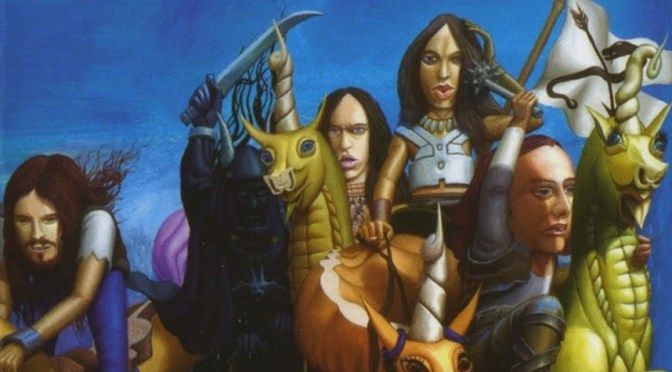
Can you feel the groove? Doom metal doesn’t have to be heads-down misery all the time so Cathedral dial in some fun on the wonderful Midnight Mountain. Cathedral started their career by ploughing a miserable, glacial-paced furrow but they weren’t the kind of band to let themselves get pigeonholed for long. Their heroes like Sabbath and Pentagram had room for some swagger and boogie so Cathedral did too. Midnight Mountain‘s snake-hipped rhythm, hand claps and Lee Dorrian’s funky exhortations just never get old. And if that sounds a bit too disco for your liking, don’t forget it’s also thunderingly heavy. Check out the quaking riff four minutes into the song. Can you feel your bowels move?
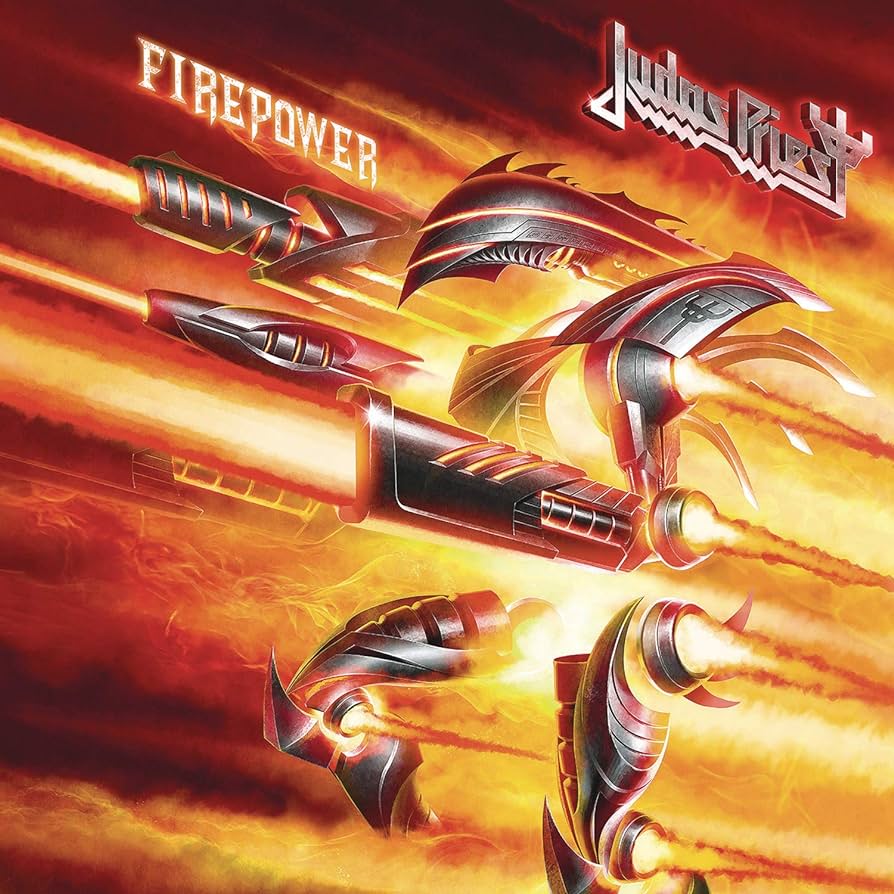
With Black Sabbath calling it a day in 2017, Judas Priest are now one of the oldest metal bands still on the go. They’re one of the genre’s most definitive, influential and original acts. But they’ve also been dogged by consistency problems for decades, making any new release equal parts exciting and fraught. While dodgy production and some weak songwriting hampered 2014’s Redeemer Of Souls it was promising enough to leave me hopeful that better was yet to come. And so it has proved, these old dudes are sounding pretty potent on their latest album Firepower.
The most obvious improvement is the album’s crisp, classic production, but the band’s performance is more assured too: the solos build excitement and Rob Halford is on commanding vocal form. The excellent opening title track and Lightning Strike immediately give this album the edge over its predecessor.
But the songwriting is still not totally consistent. Being more of a fan of melodic Priest like Desert Plains, I prefer the more anthemic tracks like Rising From Ruins and Never The Heroes and find the more hammering Painkiller-type tracks like Necromancer and Flamethrower too clunky. But all the songs have their moments and the varied tempo and style keeps the album engaging. And the band aren’t too long in the tooth to progress either: the doom-laden Children Of The Sun, malevolent Spectre and the raunchy Lone Wolf adding new flavours to the band’s style.
Firepower doesn’t quite have the audacity or vitality to put it in the top tier of the band’s discography but it is their best and most cohesive release in aeons. At a time when many older acts are bowing out or resting on their laurels, Priest’s impressive dedication to forging ahead keeps them at the forefront of the genre. Still metal gods, still defenders of the faith, still delivering the goods.
It’s 2014 and the Priest is back! Normally a phrase that would generate considerable excitement at HMO Mission Control but following the disappointing Nostradamus, the departure of the legendary KK Downing and a few uninspiring advance tracks I couldn’t help but feel sceptical about their return. But I was kidding myself. On the day of release I headed straight to Fopp to get my hands on it.
Despite my renewed enthusiasm for their return, on my initial spin I still couldn’t shake off the feeling that I shouldn’t have bothered. Dragonaut and the title track kick off Redeemer of Souls in a fairly routine manner. Both are enjoyable enough but a touch flat. It’s not until Halford screams his way into Halls of Valhalla that the album hits its stride. From here on it’s a long set of varied and solid Metal with the boat pushed out just enough to keep things moving forward without losing the trademark Priest identity. Sword of Damocles introduces a Maidenesque rhythm and its slashing climax is one of the album’s highlights. Cold Blooded is tightly coiled, moody and intricate and Crossfire’s bluesy riff works as a nice change of pace even if it’s a bit unimaginative. The Metal God delivers the goods on every song: he’s unable to shatter the windows like he used to but he always had more strings to his bow than that and any singer of any age would be proud to sing like Rob does in his sixties.
The main album climaxes with Battle Cry, a charging riff-fest with rousing, soaring vocals before it finally cools down with Beginning of the End, an atmospheric and sombre ballad. And, barring the very last song Never Forget (an uncomfortably twee last-dance number), the bonus disc is impressively strong too. I can understand why the bonus tunes didn’t fit stylistically on the main album but they are great songs: tough, dynamic and catchy and pleasingly redolent of the bands early-80s output.
It’s a lot to take in and it’s not without its faults. New guitarist Richie Faulkner plays well but I don’t feel either his or Glenn Tipton’s solos push the excitement levels like they should. The length and muddy sound also make it a tough album to absorb. Many songs like March of the Damned and the title-track have stock riffs and lyrics and are too reined in for their own good, creating a worry that the album might prove to be a little disposable. But after repeated listens and dividing the album into manageable chunks I find it growing on me listen by listen.
Ultimately, Priest have delivered a strong album for this era and held their own in a competitive climate of strong releases. And, more importantly, it sounds like they have enough gas in their tank to suggest there could be more and better yet to come.


 HEAVY METAL OVERLOAD