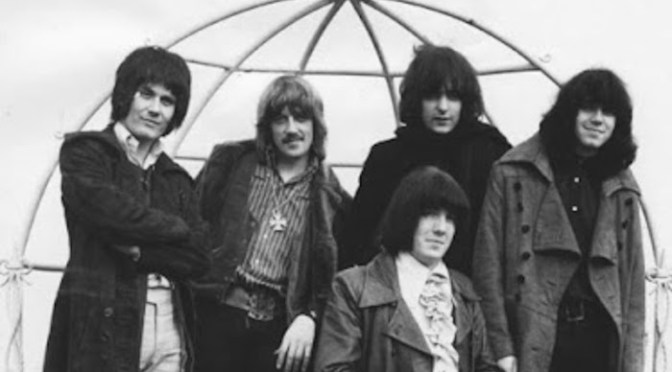
Deep Purple’s 1968 debut Shades Of Deep Purple has only a hint of the explosive contribution that Purple would make to metal’s birth a couple of years later but it can be heard clearly and excitingly on the album’s Side-B opener Mandrake Root. It’s a great, funky rocker that makes sterling use of the E7#9 “Hendrix” chord and some raunchy crooning from the band’s normally mild-mannered original singer Rod Evans. But it’s when the band launch into a short bass-propelled instrumental freak out that sparks start to fly. In their live sets the band would use this track to launch into huge jamming extravaganzas. Here, it’s kept fairly brief but it still allows the band to tap into the sonic danger that they would become known for. Guitarist Ritchie Blackmore, a tentative presence on the rest of the album, blasts out some violent, noisy tremolo abuse that is the record’s strongest shade of the Deep Purple we all know and love.
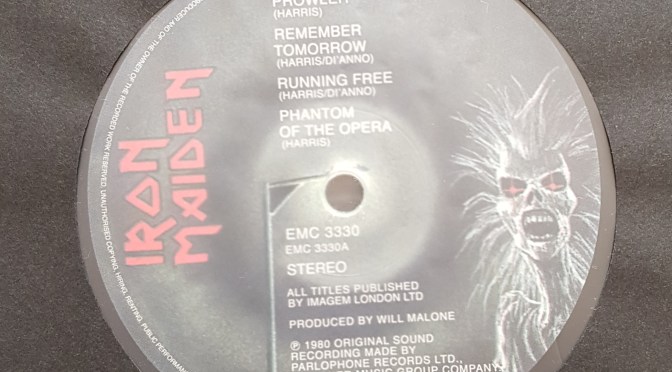
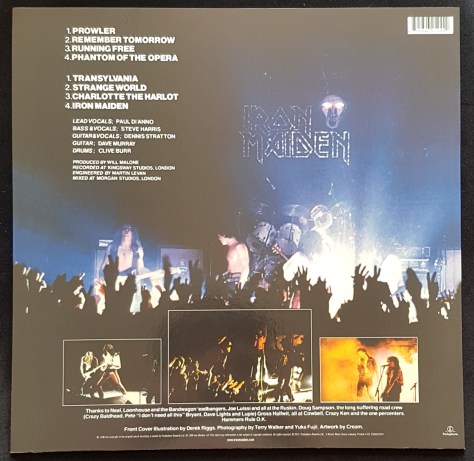
He was the lurking, shadowy menace on the cover of Iron Maiden’s first single Running Free and now wwoooaarghh… here’s Eddie! The band’s undying, murderous mascot was finally revealed in his full glory on the front of their self-titled debut album. His ghoulish presence amidst London’s grubby bins, doorways and streetlights perfectly evoking the rough, dangerous music on this NWOBHM classic. Iron Maiden sounds like it wants to jump you in an alleyway and cut your face. Gritty and aggressive tunes like Prowler, Transylvania and Iron Maiden taking the metal pioneered by Priest and Rainbow to a new level of raw intensity. And guided by bassist/songwriter/Genesis fan Steve Harris, there’s also plenty of ambition and excitement in the extended structures of tracks like the lucozade-powered Phantom Of The Opera. These days I gravitate to the Hendrix-y mellowness of Remember Tomorrow and Strange World but all the songs on this album have been a favourite at one point or another. The whole band impress but Paul Di’Anno’s raucous vocals and Harris’ forceful basslines deserve special mentions. The band members still whinge about the gnarly production but nobody else gives a flying fuck. Iron Maiden wants you for dead and if this album doesn’t get your blood flowing, you might as well be.
Innocence Is No Excuse was Saxon’s major-label debut, their first album under EMI/Parlophone. The band had left their indie label Carrere acrimoniously, suing over unpaid royalties. The case took months but meant vocalist Biff Byford and bassist Steve Dawson had plenty of time to prepare new Saxon material. Their last album Crusader had been a patchy, tired effort and, with contemporaries like Iron Maiden and Def Leppard leaving them in the dust, they would have to do better.
Produced by Simon Hanhart, 1985’s Innocence was a more cohesive and consistent album than its predecessor but it was also a controversial reinvention of the band’s style. It has a very commercial sound: smooth chorused guitars, gated drums and extra keyboards. And the band put a pop-metal spin on their material too. The opening track, the moody and windswept Rockin’ Again sets the stall out clearly: this is not going to be your typical Saxon album. With Byford and Dawson hogging the writing chores, the focus is firmly on melodies and anthems with very little guitar-riffing Heavy Metal Thunder. The more radio-friendly side of the band, demonstrated on previous songs like the power ballad Nightmare and simplistic singalong rockers like Just Let Me Rock, dominates here. The lyrics are simpler too. There are no songs about transportation: this band just wants to rock, shout, rock and shout again.
The coulda-shoulda-been hits
The focus on hooks and melodic anthems results in impressive coulda-shoulda-been-hits like Back on the Streets and Rock N Roll Gypsy but means there’s a lack of variety in style and dynamics in the album overall. Call of the Wild and Devil Rides Out stand out with some rare money riffs from guitarists Quinn and Oliver. Gonna Shout and Everybody Up are pleasingly dumb energetic crowd-participation numbers. While Saxon’s take on poppier material tended to sound limp on previous albums, here they sound bold and confident in their direction.
None of the songs are bolder or more confident than the Side 2 opener Broken Heroes. An elegiac ode to history’s war fallen, it’s the only true Saxon classic here, combining tragic sadness with fist-clenching pomp to sublime effect. It’s a triumph and, like Crusader on the album before, the best song on here by a mile. That both Crusader and Innocence… are most successful in their lone epic boy’s-own moments indicates that Saxon were losing sight of the blokey grit, depth and heart that were important parts of their charm.
With their major label behind the album, Saxon enjoyed their highest US chart placing yet and bagged some MTV exposure but found themselves falling out of favour in the UK. A narrative took hold that they were trying too hard to crack America. Ultimately, on both sides of the Atlantic, the glossy sheen and perceived lack of integrity would make Innocence Is No Excuse a forbidden fruit in the Saxon catalogue. But if you fancy some cheese with your apple, it’s worth taking a bite out of this one. It’s an underdog pleasure. Saxon were too talented to put out a total dud and their talent is still very much in evidence here, if misdirected. By the time the next record arrived, there would be one less talent in the band.
Mah copy – never quite sure if she was eating the apple or just dribbling on it



 HEAVY METAL OVERLOAD