Category Archives: Classic Rock

Saxon – Denim and Leather (Album Review)

815K+mBspyL._SL1300_
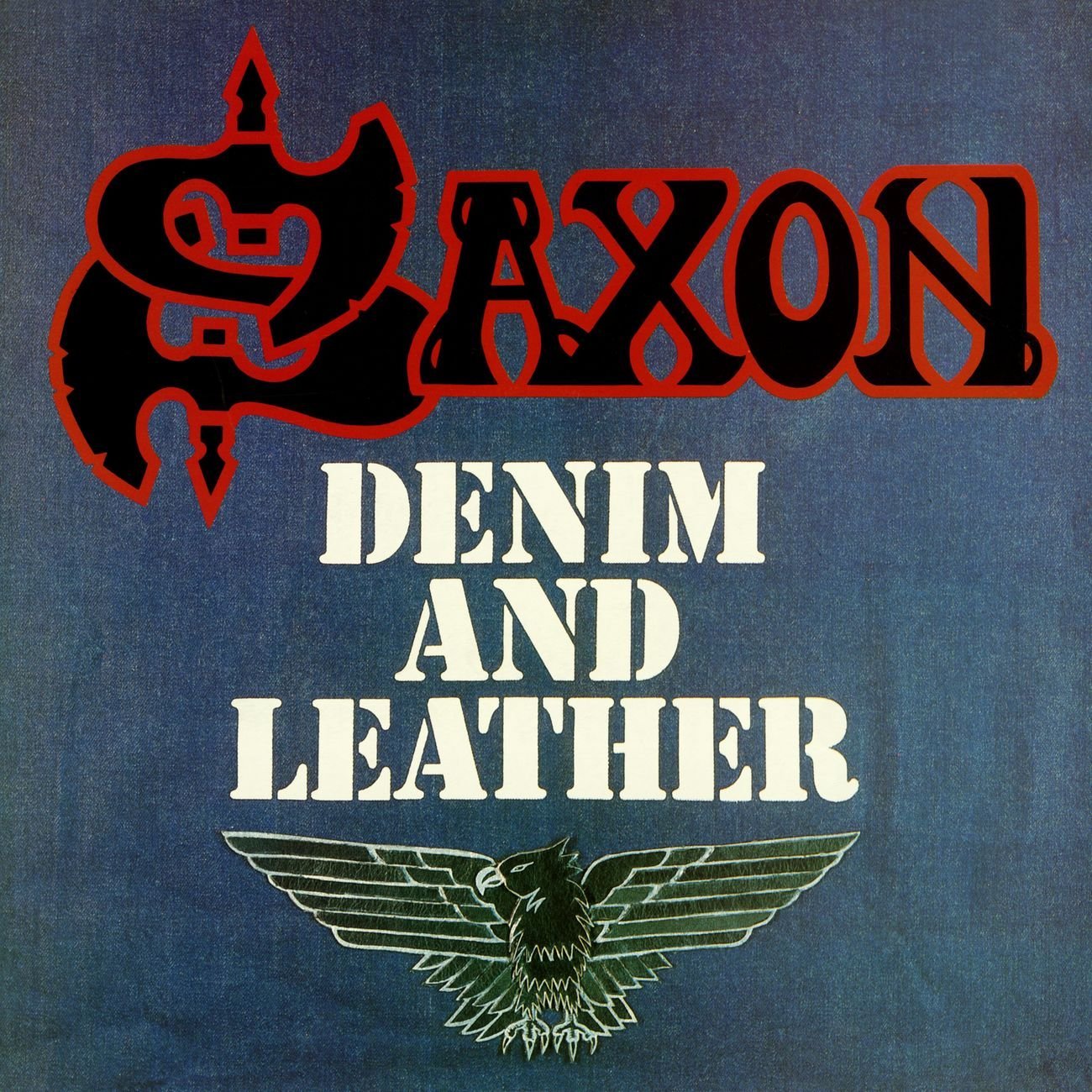
Saxon – Denim and Leather (1981)

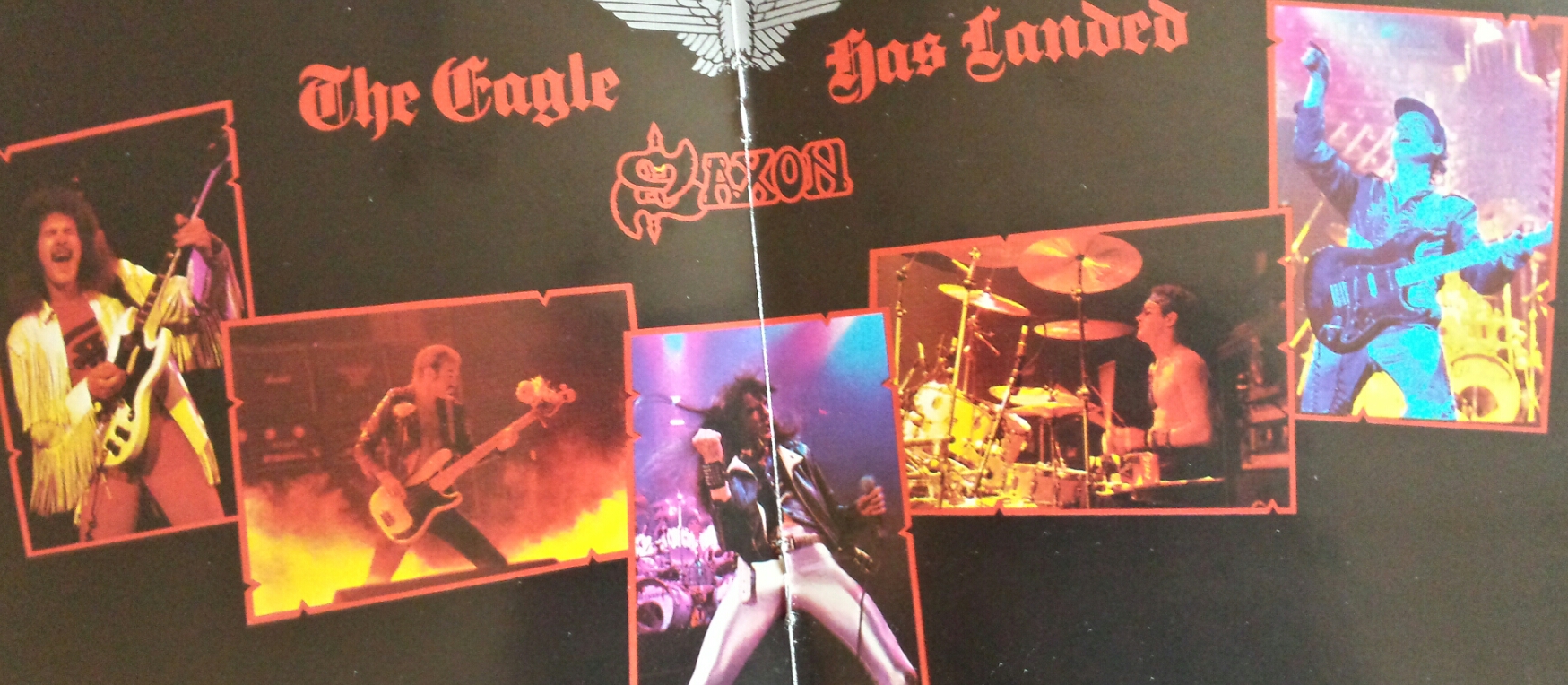
They might have released two stone-cold classics in 1980 but Saxon weren’t about to put their feet up. The New Wave of British Heavy Metal was now in full flow and Saxon were clearly unwilling to relinquish their position as the commercial hot property of the movement. Released in 1981, hot off the back of their considerable success the year before, Saxon’s fourth album Denim and Leather was a celebration. Not just of the band’s success but of their fans and the resurgent metal scene as a whole.

2015-01-05 20.08.20

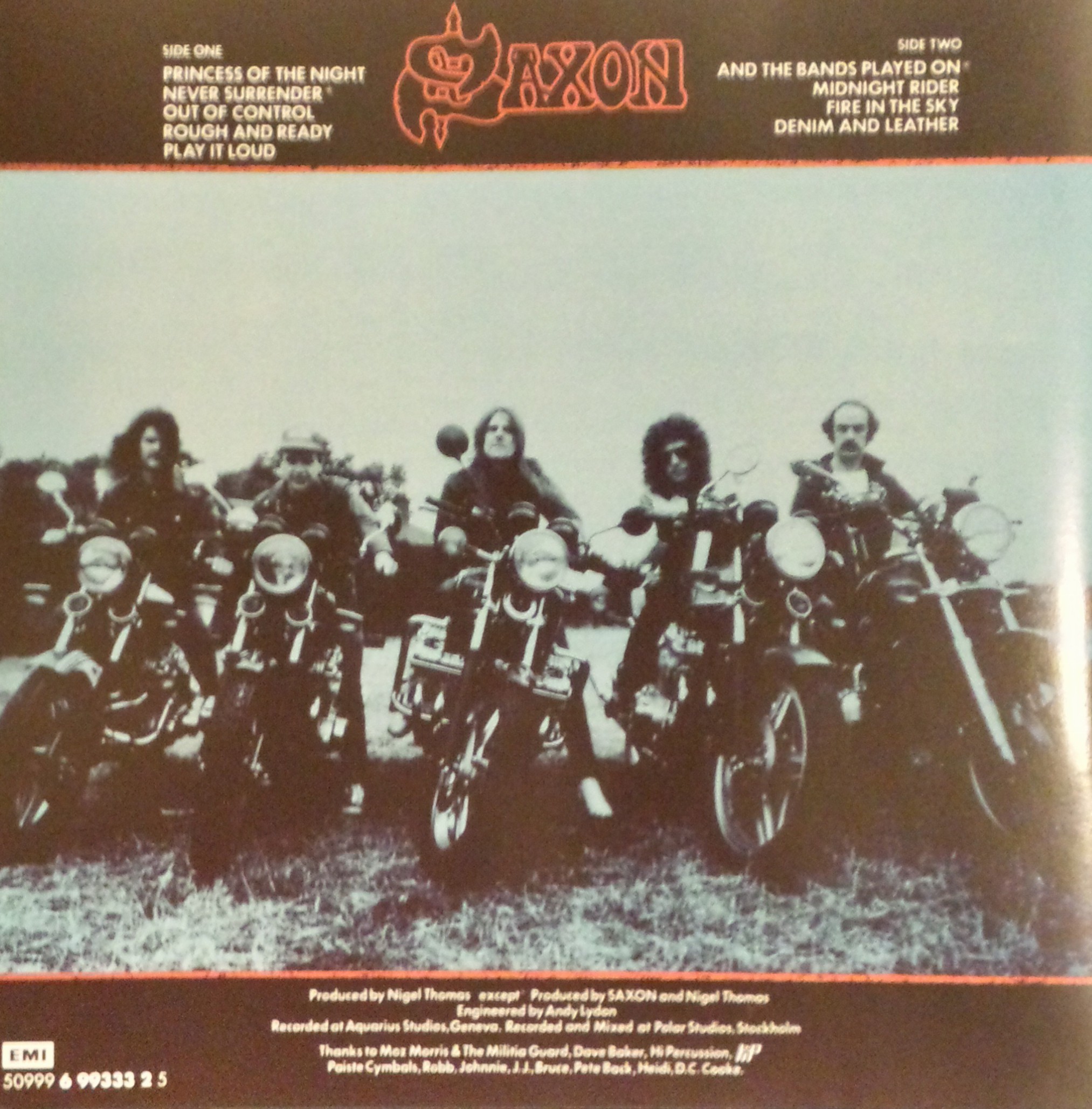
Produced by Nigel Thomas, Denim and Leather is less abrasive than the previous albums but still sonic meat and potatoes. It’s topped and tailed with two of the greatest songs Saxon would ever produce. Continuing their penchant for offbeat lyrical subjects and songs about forms of transport, opening track Princess of the Night tells the tale of a steam train delivering mail through ice and snow. (You’ll have to suspend your disbelief at a British train actually running during such inclement weather). It’s a darting, precision rocker with a riff you can’t believe no-one thought of before and a joyously bluesy guitar solo from Paul Quinn. Closing track Denim and Leather is a genuine and charming tribute to the metal fans that put Saxon on the map, highlighting the band’s down-to-earth attitude. It’s a stomping anthem with a huge and irresistible chorus and one of the most memorable opening lines in metal history: “Where were you in ’79 when the dam began to burst?”

2015-01-05 20.17.43

After the superb opening the first side is a mixed-bag. Never Surrender is vintage Saxon and follows Princess of the Night in bruising style but the quality starts to trail off. Rough and Ready is a stodgily unconvincing hard-man boast and Play it Loud is a flat stab at a party anthem. Side 2 immediately gets the album back on track with And the Bands Played On, another of the album’s outstanding victories. Despite its musical similarity to 747 (Strangers in the Night) it has its own unique identity and appeal: a feel-good ode to the inaugural Monsters of Rock festival at Castle Donington. As with the title track, Saxon’s everyman charm works wonders: rather than singing about how amazing their own performance was, they celebrate the festival itself, the attending horde and name-check other bands on the bill. It’s got simple, memorable guitar riffs and Biff Byford’s breathless delivery is a joy “Will it rain, will it snow, will it shine? We don’t know” and it’s one of those classics you never tire of hearing. Midnight Rider continues the musical lap of honour, recounting the band’s early tours of the States with the rolling tempo and gear-changing chords perfectly capturing the excitement of the road trip. The album’s most ripping number, the apocalyptic Fire in the Sky, and the triumphant title-track finish the album on a high.

Along with Wheels of Steel and Strong Arm of the Law, Denim and Leather is often thought of as the third in Saxon’s “classic trilogy”. As is often the case with trilogies, the final part is the weakest of the three but it’s still a must-hear with some of the band’s most accomplished songwriting and the guitar duo of Graham Oliver/Paul Quinn at a lively peak. The highlights are magnificent metal classics and far outweighs any filler to elevate the album to star status. It was their second highest charting album in the UK so Saxon’s position at the head of the NWOBHM pack remained secure and just two years on from their debut release they already had a discography and a following worthy of celebration. The dam was well and truly burst.

Saxon – Strong Arm of the Law (Album Review)

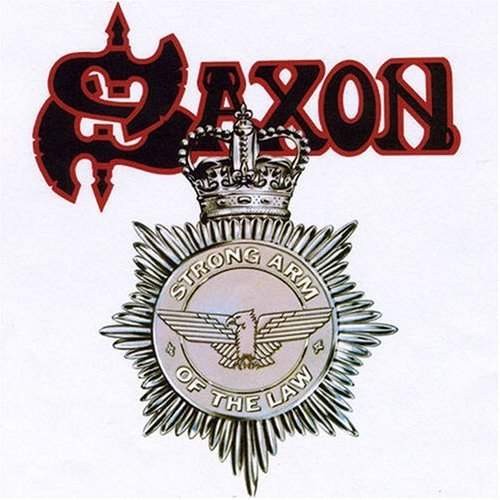
Saxon - Strong Arm of the Law (1980)
Saxon – Strong Arm of the Law (1980)

Heavy metal was a big deal in 1980 and so were Saxon. Keen to capitalise on the success of Wheels Of Steel and its accompanying singles, the band were strong-armed into the studio to write and record the follow-up. It could have been a rush-job disaster but the haste gave Saxon a no-frills, street-level edge. It was just four months from the release of Wheels Of Steel and Saxon already had another all-time classic album on the shelves with 1980’s Strong Arm Of The Law.

This album does not hang about as Saxon motör through one banger after another. Heavy Metal Thunder is a blazing ode to everyone’s favourite music, To Hell And Back Again alternates melodic verses with a charging chorus and the high-flying 20,000ft is a relentless live mainstay. The excellent Hungry Years adds a bit of variety with its heavy blues shuffle, the bouncy Sixth Form Girls is a working-class vignette with more intelligent lyrics than the title would suggest and the title-track is pure classic rock with a cool sliding riff and swaggering vocals. But the album’s most classic track is saved for last as Dallas 1pm tells the tale of the JFK assassination with its tense Faith Healer-esque intro, ringing AC/DC chords and a haunting closing section that climaxes with a scorching Graham Oliver guitar solo. It’s a breath-taking conclusion to a blast of an album.

Releasing two albums this wonderful in the space of a year was an incredible feat and its hard to separate them. Wheels Of Steel has the slight edge in strength of tuneage but Strong Arm Of The Law is more pedal-to-the-metal. The label opted to name the album after its lead single but its intended title was originally “Heavy Metal Thunder”. They should have stuck with that cause that’s exactly what you get on this superb album. Fill your heads.

Saxon – Wheels of Steel (Album Review)

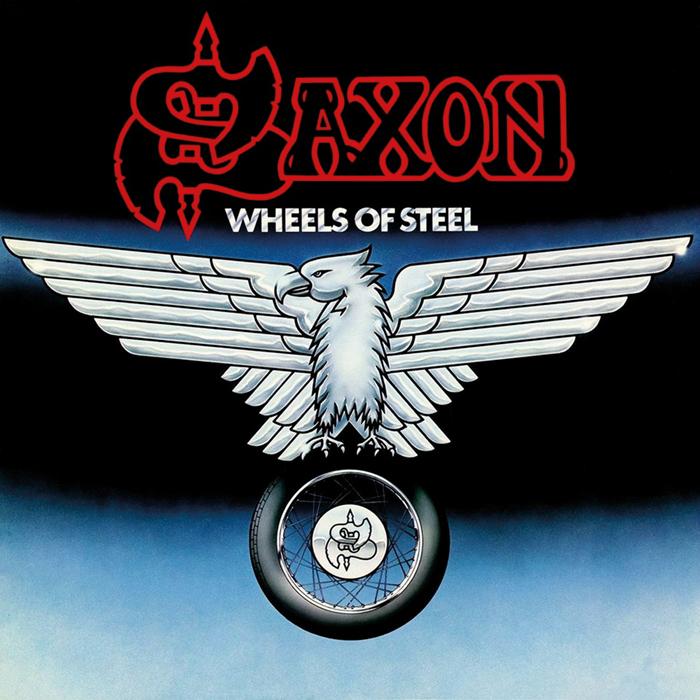
Saxon - Wheels of Steel (1980)
Saxon – Wheels of Steel (1980)

Despite being arguably the first album of the NWOBHM, Saxon’s 1979 debut album sounded more old-fashioned than new wave. But by the following year, revved up by a support slot on Motörhead’s Bomber tour, the band were back with Wheels Of Steel: a biker metal classic that broke the band and became one of the most iconic NWOBHM releases. Much of the album follows the direction set by the debut’s excellent Stallions Of The Highway: up-tempo, racing tunes like Motorcycle Man, Machine Gun and Freeway Mad combine wild Motör-riffing with hollering vocals, ringing chords and hot soloing. It’s headbanging heaven. Elsewhere, the album is less hectic but still brilliant: See The Light Shining has a clever shift in mood half-way through and Suzie Hold On has a yearning, streetwise quality that brings to mind UFO. But the album’s undoubted highlights are the greasy rocker Wheels Of Steel with its raunchy riff and bobbing bass and the wonderful 747 (Strangers in the Night), which tells the perilous tale of Flight 101 with unforgettable guitar hooks and Biff Byford’s enigmatic vocals. The album’s mix of pumping rock, gritty aggression and inspired songwriting shot Saxon to the pole position of the NWOBHM: scoring them hit singles, TV appearances and a spot on the first Monsters of Rock festival bill at Castle Donington. 1980 was a competitive year loaded with timeless metal classics but Wheels Of Steel proved that Saxon had what it took to stand up and be counted. Now their foot was on the throttle, there was no looking back.

Saxon – Saxon (Album Review)

2014-10-09 18.38.02
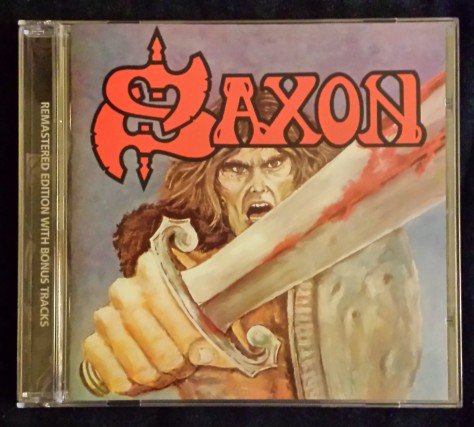
Sword-waving maniac (pictured)

It would cool to be able to say Saxon’s 1979 debut album rages like the sword-waving maniac that adorns Saxon’s album sleeve, but I’d be exaggerating. Even on their first album, the Yorkshire rockers already sounded like old guys. There’s a long-in-the-tooth quality to many of Saxon’s songs which is both a good and bad thing. The album is bookended by the excellent prog-flavoured epics Frozen Rainbow and Militia Guard but is also padded out with stodgy brickie boogie like Big Teaser. But there are three tracks where the band sounds more like the marauder on the sleeve. Judgement Day and Backs To The Wall have a mix of muscle, melody and raging vocals from Biff Byford that sounds more like the real Saxon we all know and love. And biker classic Stallions Of The Highway is phenomenal: the revved-up guitars and a driving rhythm section laying down the template for the band’s future direction and the raw metal attack that would typify the soon-to-be-named New Wave Of British Heavy Metal. Saxon would deliver on the promise of this mighty tune and their next albums would have a huge impact. By comparison, the debut is more old-fashioned than New Wave but it’s still a varied and exciting listen that captures a talented band at the point the dam began to burst.

Judas Priest – Redeemer of Souls (Album Review)

Here comes the Robojester, run for your lives

It’s 2014 and the Priest is back! Normally a phrase that would generate considerable excitement at HMO Mission Control but following the disappointing Nostradamus, the departure of the legendary KK Downing and a few uninspiring advance tracks I couldn’t help but feel sceptical about their return. But I was kidding myself. On the day of release I headed straight to Fopp to get my hands on it.

Despite my renewed enthusiasm for their return, on my initial spin I still couldn’t shake off the feeling that I shouldn’t have bothered. Dragonaut and the title track kick off Redeemer of Souls in a fairly routine manner. Both are enjoyable enough but a touch flat. It’s not until Halford screams his way into Halls of Valhalla that the album hits its stride. From here on it’s a long set of varied and solid Metal with the boat pushed out just enough to keep things moving forward without losing the trademark Priest identity. Sword of Damocles introduces a Maidenesque rhythm and its slashing climax is one of the album’s highlights. Cold Blooded is tightly coiled, moody and intricate and Crossfire’s bluesy riff works as a nice change of pace even if it’s a bit unimaginative. The Metal God delivers the goods on every song: he’s unable to shatter the windows like he used to but he always had more strings to his bow than that and any singer of any age would be proud to sing like Rob does in his sixties.2014-07-27 14.41.15-1

The main album climaxes with Battle Cry, a charging riff-fest with rousing, soaring vocals before it finally cools down with Beginning of the End, an atmospheric and sombre ballad. And, barring the very last song Never Forget (an uncomfortably twee last-dance number), the bonus disc is impressively strong too. I can understand why the bonus tunes didn’t fit stylistically on the main album but they are great songs: tough, dynamic and catchy and pleasingly redolent of the bands early-80s output.

It’s a lot to take in and it’s not without its faults. New guitarist Richie Faulkner plays well but I don’t feel either his or Glenn Tipton’s solos push the excitement levels like they should. The length and muddy sound also make it a tough album to absorb. Many songs like March of the Damned and the title-track have stock riffs and lyrics and are too reined in for their own good, creating a worry that the album might prove to be a little disposable. But after repeated listens and dividing the album into manageable chunks I find it growing on me listen by listen.

Ultimately, Priest have delivered a strong album for this era and held their own in a competitive climate of strong releases. And, more importantly, it sounds like they have enough gas in their tank to suggest there could be more and better yet to come.

Cheap Trick – On Top of the World: 1978 Live Broadcast (Album Review)

71RSjduimLL._SL1431_

I’m going to call this Cheap Trick live album “unofficial” rather than a “bootleg”. Bootlegs tend not to be stocked in Amazon, HMV etc… whereas this one is. There have been quite a lot of these radio broadcast releases lately and, while the recordings will have been floating around as bootlegs for years, they seem to have found a legal route to the shops. I’m guessing there is some loophole regarding the ownership rights to broadcast recordings and these labels are tellingly keeping themselves on the right side of the law by not using the copyrighted band logos. Bootleggers aren’t that shy about stuff like that are they? So… “unofficial” it is.

Recorded in December 1978, the band really were on top of the world: riding high between the release of their successful Heaven Tonight album and the domestic US release of the classic At Budokan. There’s a good deal of crossover between this and the Budokan release but the Passaic audience sounds way rowdier than the Japanese crowd. There are no high-pitched squeals of “Robin!” here. As a result the band performance feels more raucous and less mannered. This is Cheap Trick going for the throat and it puts a fresh, biting spin on the familiar Budokan tracks as well as offering up a couple of lesser-heard tunes too.

What a bill! WHAT. A . BILL.

The highlights of the set-list prove to be these less familiar tracks. Stiff Competition is absolutely savage with a shredding Robin Zander vocal. I’m also especially blown away by the rendition of Heaven Tonight. It’s not a track I was ever particularly excited about but here it is thrillingly menacing. Another highlight is Big Eyes, opened with an immensely entertaining guitar solo from Rick Nielsen during which he proclaims himself “100,000 times better than Fred Nugent will ever be!” to huge roars of approval. The scamp.

In general, the sound quality is very good: rough and raw but more evocative of the live atmosphere and excitement than many official live albums. Only Tom Peterson’s bass struggles to be heard on most tracks but makes up for it during Need Your Love, the intro of which sounds like it might have caused structural damage to the venue.

All in all, a great use of £8 and a great live album to add to the collection. I find it thoroughly inspiring hearing such classic acts in the raw and in the case of this and last year’s KISS release, The Ritz on Fire, it feels like I’m discovering the bands for the first time. Again!

As Henry Rollins would say, hearing a band live is the only way to know for sure, and on this evidence you can be very sure of Cheap Trick.

[Cheap Trick – Stiff Competition]

Super Duper Alice Cooper – Deluxe Edition (Box Set Review)

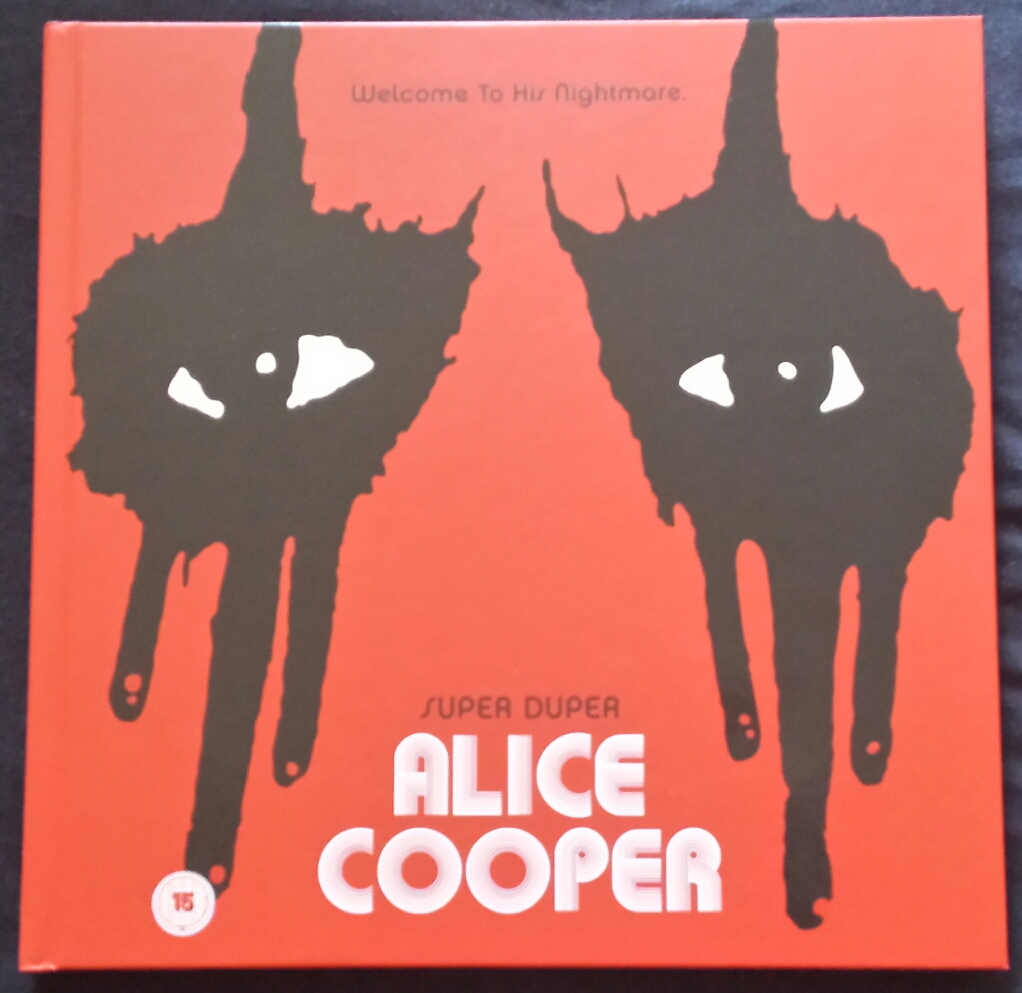
Super Duper Alice Cooper Deluxe Box Set

Super Duper Alice Cooper (2DVD/BR/CD – £37 Love Music Glasgow)

I do love a good music documentary, which is probably just as well as they seem to be coming down the pipeline at an impressive rate these days. I blame Anvil. But few musicians warrant a film biog more than Alice Cooper. And when the film, Super Duper Alice Cooper, comes courtesy of Banger Productions (Metal: A Headbanger’s Journey, VH1’s Metal Evolution and Rush: Beyond the Lighted Stage) then the prospects are very promising indeed. Hot on the heels of a limited cinema run comes the release on DVD and Blu Ray. I hadn’t expected this to come out until later in 2014 so it’s a nice surprise to have a copy so soon but does it live up to its promise?

The Eyes of Alice Cooper

THE DOCUMENTARY

Unexpectedly, the film takes the form of an extended montage. There is no footage of the interviewees as they are now, Alice and co-stars providing only voice-overs to the stream of archive footage and images. The 87min  running time is a bit miserly for such a huge and important story so the film focuses squarely on Alice the man and performer with little discussion of the music or discography. And even then it all feels a bit breathless. The movie hurtles from anecdote to anecdote faster than you can say “Michael Bruce”. Which no-one here does. Not even once. The pace and the effect of only hearing the protagonists’ voices renders the whole thing strangely flat. And as the film progresses it is rarely as exciting or as moving as it should be.

He's no well
He’s no’ well

On the plus side, the film is a veritable treasure trove of visual material and, by cutting out the modern-day talking heads, a lot of this good stuff is crammed into the brief running time. I can understand the impulse to prioritise the historical footage but the filmmakers haven’t employed it with the dramatic and powerful effect of a film like Julien Temple’s The Filth and the Fury which took a similar approach. For long-time fans there are interesting and fresh insights into Alice’s life. Without spoiling too much, Dennis Dunaway’s recollections as the original band drift apart are sad and surprising and there is fascinating new light shed on Cooper’s addictions. The portrayal of the singer’s descent is harrowing enough to set-up a satisfying feel-good ending, as a healthier, happier Alice bounces back into action in the 80s with support from guitar-gunslinger (literally!) Kane “Rambo” Roberts. Nothing is said of his later career which seems strange as I felt that the reunion of the remaining original members with producer Bob Ezrin for Welcome 2 My Nightmare would have been a satisfying way to bring the story up to date and also full circle.

THE BOX SET

The individual DVD and Blu-Ray editions come with some extra archive footage, deleted scenes and extra interviews that were filmed for the Metal Evolution series. This deluxe version has even more extras that may prove very tempting for Coop fans. The LP-sized hardcover book has some great photos and some interesting insights from the film-makers which explain why they decided, rightly or wrongly, what approach to take with the documentary. And in addition to the DVD and Blu-Ray of the movie there is two bonus discs. The first is a DVD of footage shot from the 1972 Killer tour in Montreal. Any classic Alice Cooper concert footage is like gold-dust and I can imagine many fans buying this set for this disc alone. Sadly, the footage is very incomplete and the existing visual and audio components cut and pasted together to make as much out of it as possible. As a result the sound is often out of sync with the action and portions of the songs are missing. It’s a touch disappointing that the show is so incomplete but it is still a rare treat to the see the band in action at this point in their career. A fourth disc contains an energetic live performance from 2009’s Along Came a Spider tour at Montreaux which features some great classic material and great sound. It’s only slightly marred by some audible mic problems towards the end. I think all of the tracks here have been performed on other live releases so it’s fairly inessential in that respect but it’s a lean and rocking set and a nice bonus for any completists out there.

Taken individually the disappointing movie and patchy concert footage leave you wanting slightly more. But viewed together with the book and CD for bonus reading and listening, there’s an enjoyable evening of Cooper fun to be had here. And more archive Alice than you can shake a snake at! I still feel like the ultimate Cooper visual retrospective is still out there, waiting to be made, but this is still a welcome addition to the collection alongside Prime Cuts, Good to See You Again Alice Cooper and the many other Coop DVDs out there.

Trapeze – Medusa (Album Review)

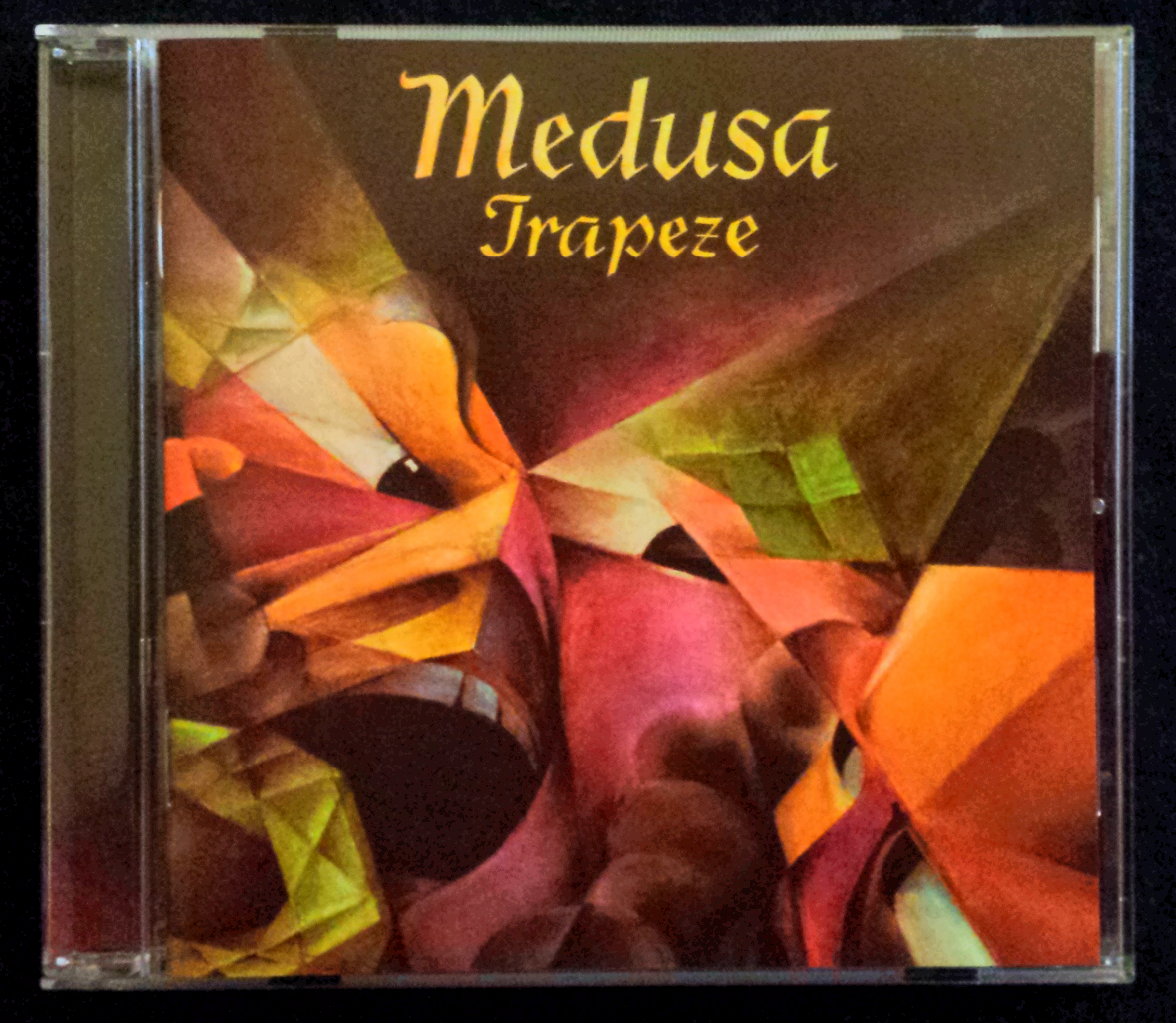
Trapeze - Medusa
Trapeze – Medusa

For many years I knew Trapeze as a historical footnote and not much else. Usually prefixed with “ex-” as former members Glenn Hughes (bassist and “Voice of Rock”), the late Mel Galley (guitar/vocals) and Dave Holland (drums) all moved on to higher profile gigs with other bands. Hughes joined Deep Purple, Galley appeared in Whitesnake and Holland served time in Judas Priest before… well… serving time.

In the early ’00s, a run of brilliant Glenn Hughes solo albums finally inspired me to investigate his old band. Medusa was Trapeze’s second album but the first to feature its most famous power trio line-up of Hughes/Galley/Holland. It was released in late 1970 and, as was often the case with the era’s Hard Rockers, it’s an album of light and shade. This means Led Zep often come up as a comparison but I hear more of a Free influence, especially in groovy Rockers like Black Cloud and Touch My Life. Although the funky, stop-start rhythms of Your Love is Alright get a little bit frustrating the band sound tight and confident, leaving plenty of space for everyone’s contributions to be heard. And with the tasteful exception of Mel Galley’s guitar jamming on Makes You Wanna Cry, there is very little instrumental showboating on Medusa which leaves the focus squarely on Glenn’s superb voice.

It’s fascinating to hear him at this early stage, with a rawer tone and delivery that brings to mind Paul Rodgers and Steve Marriott. And his voice is even more remarkable in the album’s longer tracks. Jury, Seafull and the title-track have a more progressive feel. Pastoral acoustic passages build up to intense, heavy climaxes that would appeal to fans of Uriah Heep or early Judas Priest. When Glenn employs his full vocal range at the climax of Jury the results are spine-chilling.

Medusa is an album of real maturity and depth from a group with tangible chemistry. Before going their separate ways, Trapeze would record one more excellent studio album and enjoy some live success in the US but it’s a shame their recorded output didn’t achieve more success or recognition. While it’s unsurprising that the musicians involved went on to bigger things, together they deserved way more than footnote status.

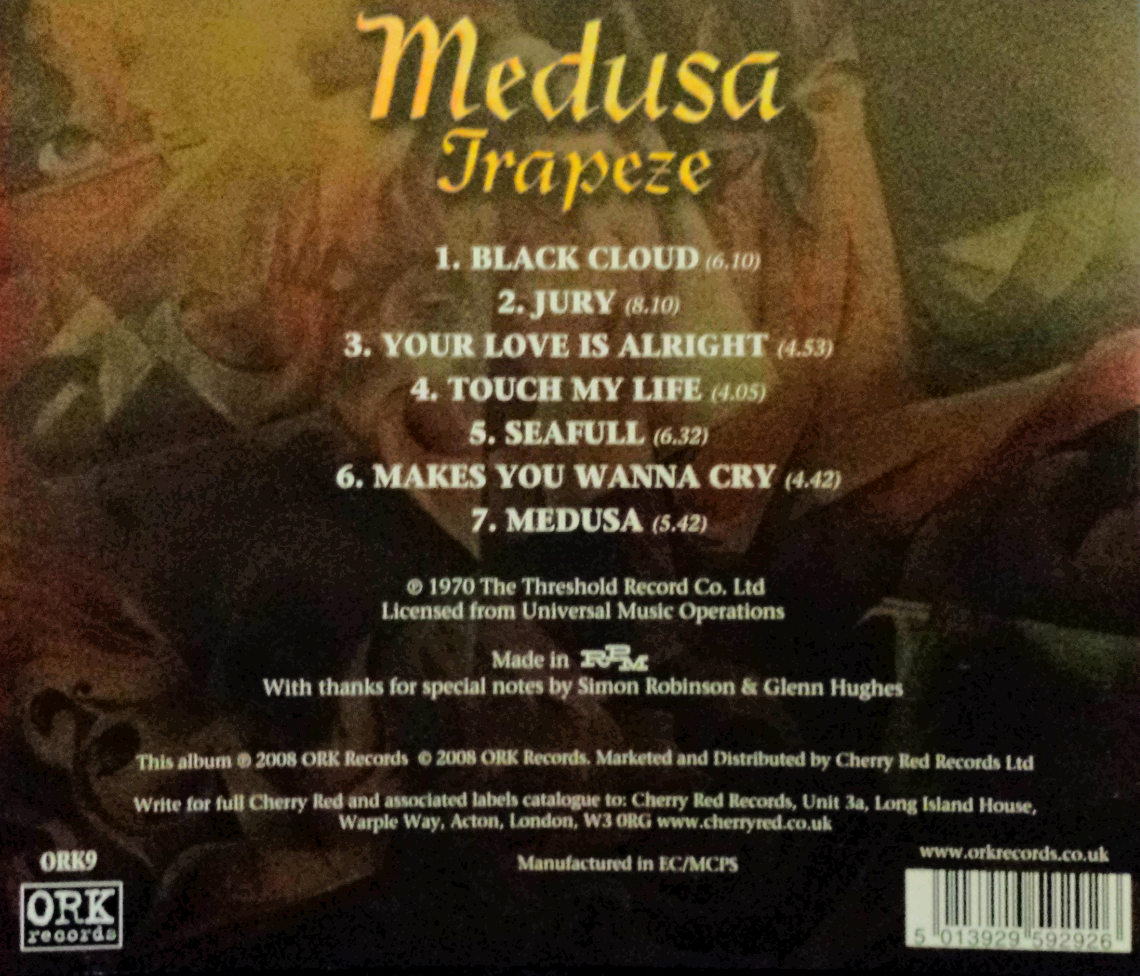
2008 Edition on Ork Records. Great remaster and liner notes

Ozzy Osbourne – Blizzard of Ozz (Album Review)

2011 Edition - The one to buy
2011 Edition – The one to buy

I imagine few people expected Ozzy’s first musical venture after his expulsion from Sabbath to be this good. In fact, I imagine few people expected any musical ventures at all (including Ozzy, who would have probably just continued wallowing in a last hurrah of beer and pizza deliveries if a pep talk/kick up the arse from his management hadn’t sent him out looking for new bandmates). But then, who knew about Ozzy’s talent for assembling shit-hot bands? Ex-Rainbow bassist Bob Daisley and ex-Heep drummer Lee Kerslake were joined by US guitarist Randy Rhoads whose astonishing playing had the flash and glamour of Van Halen and the Blues-free, hard-edged style that fit in with the burgeoning NWOBHM scene.

2002 Edition - The one to avoid
2002 Edition – The one to avoid

The band’s performance is top notch. Joyous, bouncy tunes like I Don’t Know, Crazy Train and No Bone Movies are topped with deft, choppy guitar riffs and euphoric soloing. Dramatic, epic compositions Mr. Crowley and Revelation (Mother Earth) are the album’s centrepieces, Rhoads’ neo-classical runs and phrasing reaching almost unassailable heights on these tracks. Buoyed by his band’s energy, support and creativity, Ozzy came into his own as a vocalist and performer, establishing his now-famous persona in crazy tales of booze and sex, with a hint of the diabolic in Mr. Crowley and in the sinister cover art. And, while his delivery is warm and upbeat, there are hints of doubt and desperation. These endearing chinks in Ozzy’s wild-man armour are a large part of the album’s emotional power (and the power of much of Ozzy’s solo work).

1995 Edition - The one with the shitey cover
1995 Edition – The one with the shitey cover

It could be argued that subsequent Ozzy albums improved on this but, as a statement of intent, Blizzard of Ozz is hard to beat, and provided many of the classics that remain at the core of Ozzy’s live setlists. It’s an absolute comfort-blanket of a record and a genuine Metal classic. Ozzy might not remember much of the 80s but this album remains unforgettable.

Thanks to Mike! His review of The Ultimate Sin put me in a right old Ozzy mood.

Blue Öyster Cult – Imaginos (Album Review)

Imaginos LP Cover
Imaginos LP Cover

[Unused Stephen King intro to the album]

BÖC ended their tenure on Columbia with the ambitious concept album, Imaginos. It’s easily one of BÖC’s heaviest efforts in all senses but there were still enough keyboards, reverbed drums and glassy clean guitars to ensure it fit in with the musical trends of the mid-80s. In typical BÖC fashion, however, they added their own eerie and psychedelic quality to the mix. If you ever have a nightmare about the 80s it could easily sound like this!

The album had a long gestation and is really a combination of two projects. It started out in 1981 as the solo project of fired original member, Albert Bouchard. This project was rejected and later reworked as a Blue Öyster Cult project. Even though some of the original BÖC members were no longer in the band, the convoluted saga of the album’s making meant that all original members appear on it, giving the album the illusion of being a reunion effort. There are also many guest musicians and vocalists as a result of its long gestation.

Imaginos CD Cover
Imaginos CD Cover

It’s perhaps surprising, then, that the album sounds so focussed. Del Rio’s Song has hooks to die for and serves as light relief amidst all the mystery and darkness. The Siege and Investiture of Baron Von Frankenstein’s Castle at Wisseria is explosively dramatic with superb guest vocalist Joey Cerisano channeling Chris Cornell. The album’s concept comes from poems written in the 60s by the band’s mentor and manager Sandy Pearlman. These ideas have featured in many songs throughout BÖC albums and some of this older material appears here in reworked form (including an upbeat, galloping take on the classic Astronomy).

Although the production does seem over-produced compared to the sparser sound of their classic albums, the lavish sound does suit the theatrical concept and feels like an updated version of the band’s dark, arcane style to me. The use of lyrics and music from previous eras also creates the sense of this album as the definitive statement of BÖC’s career and mythology. Unfortunately, it turned out to be the band’s worst seller for the label and would be their swansong as a Columbia act. They wouldn’t release another studio album for 10 years. It’s a real shame because this album is creative, bold and uncompromising: a secret treat for anyone wanting to check out overlooked gems from the 80s.


[Blue Öyster Cult – The Siege and Investiture of Baron Von Frankenstein’s Castle at Wisseria]