Welcome to a new feature: The HMO Song of the Week! Each Sunday I’ll be posting up the song that’s been lighting up my life the most in the past week: could be a new song or an old classic.
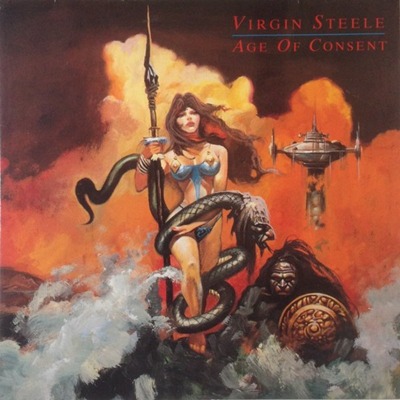
So let’s get this series off to the best possible start with one of the best possible songs: Virgin Steele’s Lion in Winter from their terrific album Age of Consent. It’s a fine example of their patented and thrilling barbaric romanticism. The Manowarring and galloping guitars provide the barbarism while the instrumental flourishes, melodic pomp and David DeFies’ impassioned vocals provide the romanticism. Here’s a man that can sing a line like “And I’ll rage against this wind” and sound like he really means it. Wonderful.
I loved Blaze Bayley in Wolfsbane but because I didn’t enjoy his stint in Maiden I never really thought of him as a “metal” guy. To me, he was at this best when he was painting the town red and lighting up the night with a little kiss. That was the Blaze I liked. So when his first post-Maiden outing Silicon Messiah proved to be a dark, very-metal affair I just passed on it. Not his forte.
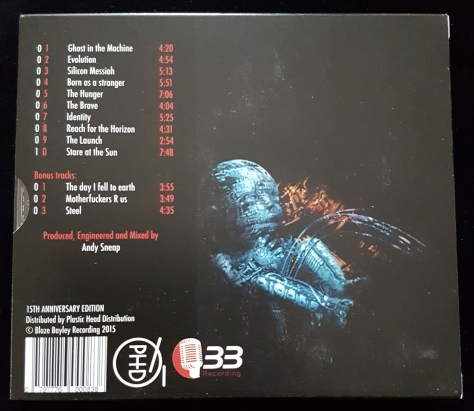
I was wrong. Sixteen years later, spurred on by reading positive reviews and the return of Wolfsbane, I have added Silicon Messiah to my collection. It’s remarkably good. A proper underdog album if ever there was one. It’s downbeat, dystopian drop-D riffing is definitely of its time (think Brutal Planet, Magica etc…) and the opening tracks raise a worry that it’s all going to be a bit samey. But the album soon lightens up. Born as a Stranger, the galloping The Brave and Man on the Edge-esque The Launch are all extremely enjoyable, anthemic power metal tracks. The album just gets better and better as it rolls on and culminates wonderfully in Stare at the Sun: a gripping, goosebump-inducing epic. And, although tracks like The Hunger are chuggier and samier, their slower pace gives Blaze room to emote. He’s massively likeable throughout, delivering a vocal performance full of character and commitment.
So double dumb-ass on me for writing the man off. Turns out he is very-metal after all. He even manages to show Iron Maiden a thing or two with this anthemic and addictive album. It’s thoughtful and well-executed, topped off with a great vocal performance of considerable charm and charisma. That’s the Blaze I like.
15th Anniversary Edition (w/ 3 bonus tracks) from Blaze’s site
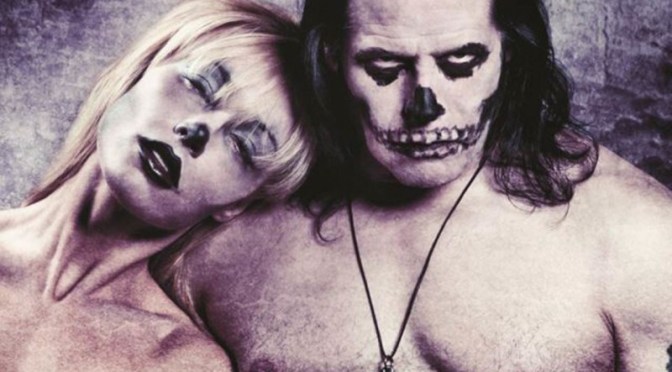
Glenn sees your “Dad-bod” and raises you a “Danz-bod”
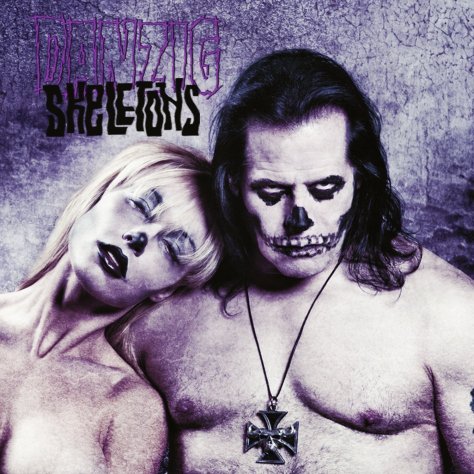
The covers albums is almost always a dodgy proposition but I couldn’t help but hold out some hope for Danzig’s Skeletons. Partly because… Glenn F. Danzig! But also cause I knew the Evil Elvis was going to choose some interesting material to put through the metal wringer. And it’s the choice of material that saves Skeletons from being a total stinker. The performances are pretty ropey: flat vocals, lifeless drums and relentless guitar squealies along with a flabby sound that’s devoid of dynamics. There are dicey renditions of Sabbath’s N.I.B, Aerosmith’s Lord of the Thighs and ZZ Top’s Rough Boy, while a surprising choice, sounds like your drunken Dad commandeering the microphone at a wedding. Dad, stop! But Danzig gets bonus points for doing all these tracks his own way and, when you’ve got Glenn M. F. Danzig doing The Everly Brothers’ Crying in the Rain, it’s hard not to get a kick out of that… however much it sounds like the karaoke of your darkest fears. It’s worth having Skeletons just for that and its opening trio of tunes: Dave Allan and the Arrows’ Devil’s Angels is bashed out in delightfully Misfits-y style; the obscure soundtrack curio Satan (Theme from Satan’s Sadists) is brilliant and tailor-made for Glenn – “I was born mean, by the time I was 12 I was killing, killing for Satan”; and his cover of Elvis’ Let Yourself Go is a stomping taster for his planned Elvis EP. It’s definitely for fans-only but, for them, it’s a flawed-but-loveable glimpse into the great Fonzig’s interesting and eclectic influences. And if you’re not singing “I was borrrrn mean…” in the shower every day after hearing this, you’re a better man than me.
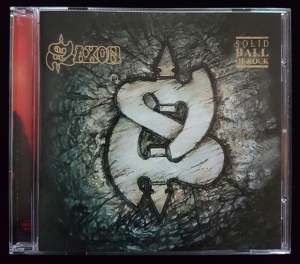
The 90s were a challenging time for classic metal acts but, for Saxon, the decade got off to a promising start. The “10 Years of Denim & Leather” back-to-basics tour rejuvenated the band. Aiming to carry the momentum into the studio, the band signed with Virgin Records and headed to Germany to record their comeback album Solid Ball of Rock.
Released in 1991, Solid Ball of Rock finds Saxon returning to a heavier, err… ballsier style. It opens with its title-track and most enduring classic: the band taking Bram Tchaikovsky’s Jerry-Lee Lewis inspired rock n’ roller and giving it an AC/DC-grade kick up the arse (with a cool nod to The Sensational Alex Harvey Band in its Faith Healer-esque intro). It’s followed by the equally thrilling Altar of the Gods. Bolstered by the writing contribution* and forceful playing of new bassist Nibbs Carter, it’s a belter of a track with an aggressive, metallic approach that recalls the classic days of Power & the Glory while also pointing the way forward to the band’s future power metal leanings.
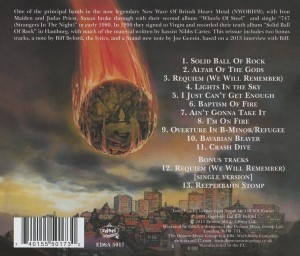
It’s an encouraging opening but doubt sets in with Requiem (We Will Remember). The album’s only single, it maintains the feel-good vibe but its sentimentality, U2 jangle and “whoa-ohs” don’t sit well with me. But it proves to be the album’s only real wobble: the remaining tracks alternating between straightforward, open-chord rock n’ roll like I Just Can’t Get Enough and I’m On Fire and top-notch galloping Priest-y metal like Lights in the Sky and Baptism of Fire. The rock n’ roll tracks are a bit disposable by Saxon standards but have an enjoyably bouncy vitality while the metal tracks add crucial depth and grit with the epic, enigmatic Refugee adding class to the album’s late stages. It’s a strong combination of styles and a cohesive collection.
Back Cover – Demon reissue with bonus tracks
The overall sense with Solid Ball of Rock is of a band rediscovering their spark and spirit. Sticking to the basics but simultaneously mapping out new directions. The album did great business for the band and, although there were still challenging times ahead, Solid Ball of Rock is a pivotal Saxon album: a joyous, rocking reboot.
*Nibbs’ remarkable dominance of the writing credits here turns out to be an exaggeration. With litigious former managers breathing down Saxon’s neck they protected their royalties by crediting most of the songs to Nibbs: the only member of the band with no links to their past contracts. Crafty buggers.
Greatest Hits Live! captures Saxon on the upswing following the doldrums of their disappointing Destiny album and tour. Frontman Biff Byford had taken over their management, securing a well-received support slot with Manowar that galvanised the group. Saxon then launched a European headlining tour in 1990 to celebrate 10 Years of Denim & Leather* and the UK leg was such a success that the band added another run of UK gigs later in the year. They played more than 40 shows in the UK alone, winning much-needed acclaim and credibility in their homeland. The Nottingham show was recorded and released as Saxon’s third live album.
Unlike its two predecessors, The Eagle Has Landed and Rock N’ Roll Gypsies, Greatest Hits Live! offers a full** Saxon live set, living up to its title. It’s bulging with classics (Wheels of Steel, (747) Strangers in the Night, Princess of the Night, And the Bands Played On), hard-hitting metal bangers from the early days (Motorcycle Man, 20,000ft and Heavy Metal Thunder) and well-chosen newer material (a bouncy Rock N’ Roll Gypsy and a tougher take on Ride Like the Wind). There are some mid-set surprises too with a captivating Frozen Rainbow and an absolutely phenomenal version of See the Light Shining. And just to put the icing on the cake: the classic tracks Denim and Leather and Crusader finally make their live album debuts.
The Tracklist
Greatest Hits Live! is an honest and energetic live album that drives home the quality of Saxon’s material and the celebratory vibe of the tour. On the evidence here, it’s no surprise that they won over audiences up and down the country. However, through all their ups-and-downs, Saxon’s live prowess was never in doubt. If they were going to have a future they’d have to produce new material that lived up to the glorious past celebrated here. Buoyed by the enthusiastic reception from their UK fans, Saxon rushed back into the studio. The comeback was on.
*Biff announces “we’ve been together for 10 years” but their debut album was released in 1979 so in 1990 they were a year out. Instead, the liner notes proclaim that the 10 years refer to the anniversary of their 1980 breakthrough with Wheels of Steel. But then they called it “10 Years of Denim & Leather” after an album that was nine years old.
**One song is missing. The show was also released on VHS and the set included Strong Arm of the Law. I’ll let them off though.
Wrrrow! Look out! Eeee eeee… From the top of the mountain, yeah! Yow! Fire! Owww. Ruff. Oooh… Look out! Rowf! Yeah! Oooh yeah!
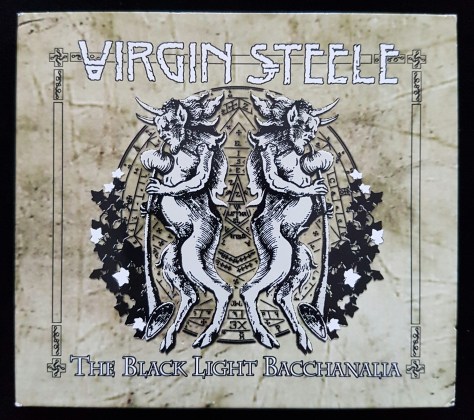
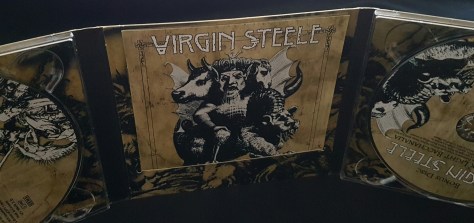
And so David DeFeis kicks off Virgin Steele’s 13th album The Black Light Bacchanalia with every vocal exclamation known to man.
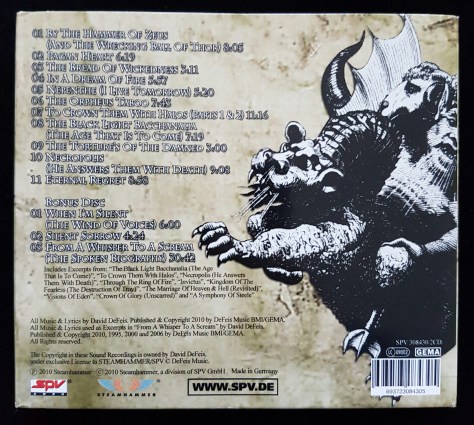
He sounds excited and so he should: the opening track By the Hammer of Zeus (and the Wrecking Ball of Thor) is pure awesomeness. It delivers on the promise of its ridiculously mighty title. I’ve become obsessed with this song and have been listening to it thrice daily for many moons now. Ruff!
From the top of the mountain, yeah!
Unfortunately, the rest of the album isn’t as instantly appealing . Exclamations aside, DeFeis spends most of The Black Light Bacchanalia singing in an oddly soft voice. It’s an interesting experiment, making it seem like he’s whispering sweet nothings into your ear or he’s inside your head. Look out! But it doesn’t do much for the album’s dynamics, especially when many of the songs are meandering and forgettable.
But my hopeless addiction to that opening track keeps me coming back for more and moments of greatness keeping popping out with each listen. Weirdly, considering the laid-back vocals on the heavier tracks, DeFeis sings the excellent piano-ballad The Tortures of the Damned with raging passion. Fire! And the softer vocal approach works dreamily on To Crown Them With Halos (Parts 1 & 2) and Necropolis (He Answers Them With Death), bringing out all the drama and the melody. I’m finding that there’s nothing in my collection quite like this so I’m seduced into giving it another spin. It’s flawed but fascinating. And even if it doesn’t quite live up to its exclamatory opening there’s still plenty to get excited about here. Ooohh yeah!
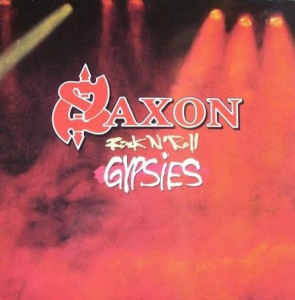
Saxon had lost their way with the dicey Destiny album. Dropped from EMI in 1988, they took a creative break. For the next couple of years their activity was restricted to touring and the release of a couple of live albums through one-off record deals. The first of these, recorded on a tour of Eastern Europe, was 1989’s Rock N’ Roll Gypsies.
The main historical interest is the new lineup: Nigel Glockler makes a welcome return to the drum stool and bassist Timothy ‘Nibbs’ Carter makes his Saxon debut. There’s no song duplication with their previous live album, 1982’s The Eagle Has Landed, and none of that album’s sweaty, beery atmosphere. But it kicks off very promisingly indeed. The band sound driving and ballsy and thunder through Power and the Glory, And the Bands Played On, Rock the Nations and a superb Dallas 1PM, only slipping up on a sleepy version of Broken Heroes. The next side kicks off with a rousing Battle Cry before things start to go pear-shaped. The patchiness of the band’s EMI years rears its ugly head as Rock N’ Roll Gypsy, Northern Lady and I Can’t Wait Anymore progressively suck more and more life out of the album: the excitement level dropping so low that the kinetic closer This Town Rocks barely registers.
CD editions add quality and value with bonus tracks The Eagle Has Landed and Just Let Me Rock but, all in all, Rock N’ Roll Gypsies is a solid but unremarkable live stop-gap. The lack of song duplication with The Eagle… is a double-edged sword. It’s more collectable and interesting to hear different songs but the feel of a live Saxon show is hampered when there’s no Wheels of Steel or Strong Arm of the Law. And given the lack of concert classics, the omission of Crusader (one of the band’s most triumphant post-1982 songs) is unforgivable. Great performances, dodgy tracklisting. The faltering steps of a great band finding its feet again.
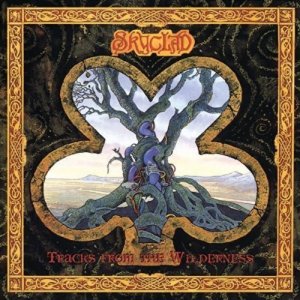
What makes a great cover version? There’s only one question you have to ask: does the band covering the song make it their own? Skyclad’s cover of Thin Lizzy’s Emerald is excellent. It’s faithful to the original song but the more metallic, aggressive and threatening delivery along with the clever use of violin to handle the chorus riff and bridge ensures the song fits perfectly in Skyclad’s folk metal oeuvre. Extra points awarded for guest guitar from Lizzy’s ‘Robbo’ Robertson and the fact that this version is responsible for me getting into Thin Lizzy in the first place! Even if I (and probably you) ultimately prefer the original there is no denying this is an inspired and enjoyable cover version.
Emerald opens their 1992 EP Tracks From the Wilderness and is followed by two studio cuts that sadly don’t keep up the standard it sets. A Room Next Door is a decent ballad with beautiful, rustic acoustic guitars but When All Else Fails is forgettable thrash. Neither are in the same league as the Lizzy cover or up to the quality of the tracks on the band’s previous two albums. The lack of Fritha Jenkins’ violin on these suggests they were probably off-cuts from the band’s debut album. The EP closes out with three energetic and endearing live tracks from the Dynamo festival. The band are tight and Martin Walkyier delivers each song with zeal. These excellent performances round out a worthwhile stop-gap release but there’s no denying this is mainly worth buying for Emerald. For fans only.
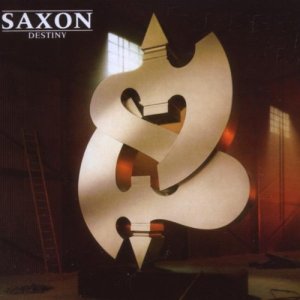
Rock the Nations was an encouraging but not entirely convincing return to the classic Saxon sound. With EMI breathing down their necks, Saxon made a last-ditch bid for stardom with 1988`s Destiny. But it wasn’t meant to be.
Destiny was the first (and only) Saxon studio album to feature the new rhythm section of bassist Paul Johnson and drummer Nigel Durham. Saxon were at a low ebb in their confidence and creativity, papering over the cracks with all sorts of formulaic 80s pop rock moves and an over-egged pudding of a production. Uninspiring songs like I Can’t Wait Anymore, We Are Strong and Song For Emma rely on stock pop rock moves and limp anthemry. And more promising numbers like Calm Before the Storm and S.O.S. struggle under layers of keyboards and backing vocals.
Look at the nick of these guys.
However, the band recaptures some of their classic might with For Whom the Bell Tolls and Red Alert. More dynamic, riff-heavy and fully-realised, it’s telling that these tracks rely less on the production bells and whistles. The album’s one true classic and standout track is Ride Like the Wind, a driving and charismatic power ballad reinvention of the Christopher Cross tune. It’s a brilliant cover and a should-have-been hit. It’s the only Destiny-era tune to endure in the band’s career and live repertoire. But even then, it’s no Broken Heroes, Battle Cry or Crusader.
Overall, Destiny is likely to be too syrupy for many fans of traditional Saxon and, even judged on its own merits as an AOR album (against, say, Magnum’s Wings of Heaven), it’s unconvincing. In fact, it’s one of Saxon’s worst albums. As worst albums go, it’s not a total disaster. There’s good stuff here and in the right mood even some of the ropier tunes can connect. But the patchiness, dissipating credibility and perceived commercial desperation of Saxon’s EMI years came to a head here. Before long the band were dropped from EMI, had fired their management and were taking time out to rethink and recharge. It would take years for the one-time champions of NWOBHM to fully recover.
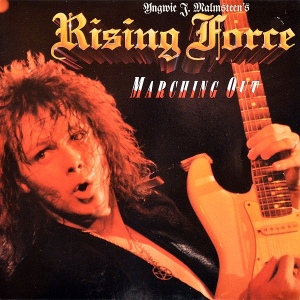
Guitar magazines would have you believe that Yngwie J. Malmsteen’s Rising Force was THE ONE, which is fair enough given its classic feats of guitar mastery like Black Star and Icarus Dream Suite Op. 4. Those are rightfully legendary instrumentals and justify the album’s status as a guitar classic. But Yngwie’s debut fell down a bit on the actual song front and the band’s stiff delivery of the vocal numbers. If you’re actually just wanting a fuck-off classic METAL record, follow-up Marching Out is the music of the Gods.
Guitar fanatics needn’t worry, there’s still plenty of heroic guitar acrobatics from Yngwie but the whole band ups their game here. Fleet-fingered keyboardist Jens Johansson gives God’s guitar teacher a right run for his money on the widdle front and the whole band is more driving, less ploddy than on the debut. But the star here is Jeff Scott Soto. He totally finds his voice on this. His passionate delivery on tracks like Soldier Without Faith and I Am a Viking is absolutely infectious. Try not to join in, tankard raised, with the chorus to Anguish and Fear. You can’t. Not if you’ve got blood in your veins. I am a Viking, I’ll walk all over you. Triumphant, warfaring power metal. That’s what I’m talking about!





 HEAVY METAL OVERLOAD