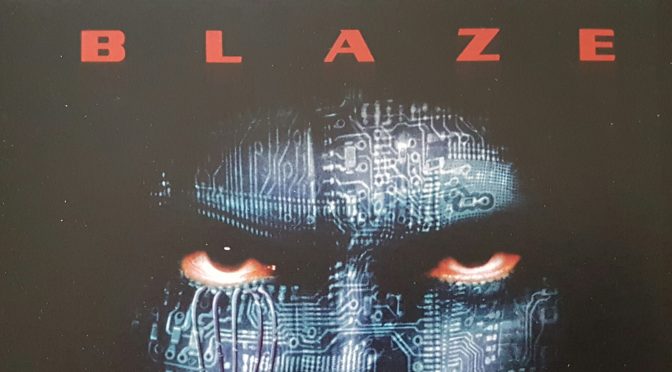
Chase the Dragon and On a Storyteller’s Night are the sturdier, rockier picks of the Magnum back catalogue but they reached their peak of life-affirming, pop rock joy with Wings of Heaven: one of the most feelgood albums ever created. Tony Clarkin writing simple, catchy AOR rockers par excellence delivered with winning passion and panache by the ever-lovable Bob Catley. Boaby sings like he would take bullets for Magnum. “It’s a flame that keeps burning… everLASTing torrrchhhh!”, “Too old to die young, too big to cry… MAMA!” The guy’s a total hero. As soon as he chimes in on genius opener Days of No Trust (“Pray to the future…”) you are on your feet. The album continues with the vista of Wild Swan and the sublime power pop of Start Talking Love. Classics all. Different Worlds is a mid-album lull but Pray for the Day and the WWI epic Don’t Wake the Lion (Too Old to Die Young) end the album with weight and compassion: breathtaking, heartrending but still triumphant, mighty and melodic. It’s a colossal climax to an excellent album. File this in your collection alongside your Jovi, Lep and Whitesnake and it won’t be long before it steals your heart. A heavenly magnum opus.
Greatest Hits Live! captures Saxon on the upswing following the doldrums of their disappointing Destiny album and tour. Frontman Biff Byford had taken over their management, securing a well-received support slot with Manowar that galvanised the group. Saxon then launched a European headlining tour in 1990 to celebrate 10 Years of Denim & Leather* and the UK leg was such a success that the band added another run of UK gigs later in the year. They played more than 40 shows in the UK alone, winning much-needed acclaim and credibility in their homeland. The Nottingham show was recorded and released as Saxon’s third live album.
Unlike its two predecessors, The Eagle Has Landed and Rock N’ Roll Gypsies, Greatest Hits Live! offers a full** Saxon live set, living up to its title. It’s bulging with classics (Wheels of Steel, (747) Strangers in the Night, Princess of the Night, And the Bands Played On), hard-hitting metal bangers from the early days (Motorcycle Man, 20,000ft and Heavy Metal Thunder) and well-chosen newer material (a bouncy Rock N’ Roll Gypsy and a tougher take on Ride Like the Wind). There are some mid-set surprises too with a captivating Frozen Rainbow and an absolutely phenomenal version of See the Light Shining. And just to put the icing on the cake: the classic tracks Denim and Leather and Crusader finally make their live album debuts.
The Tracklist
Greatest Hits Live! is an honest and energetic live album that drives home the quality of Saxon’s material and the celebratory vibe of the tour. On the evidence here, it’s no surprise that they won over audiences up and down the country. However, through all their ups-and-downs, Saxon’s live prowess was never in doubt. If they were going to have a future they’d have to produce new material that lived up to the glorious past celebrated here. Buoyed by the enthusiastic reception from their UK fans, Saxon rushed back into the studio. The comeback was on.
*Biff announces “we’ve been together for 10 years” but their debut album was released in 1979 so in 1990 they were a year out. Instead, the liner notes proclaim that the 10 years refer to the anniversary of their 1980 breakthrough with Wheels of Steel. But then they called it “10 Years of Denim & Leather” after an album that was nine years old.
**One song is missing. The show was also released on VHS and the set included Strong Arm of the Law. I’ll let them off though.
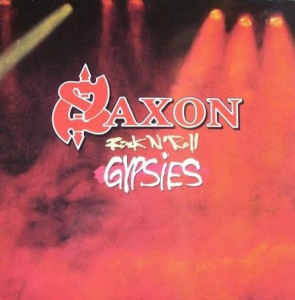
Saxon had lost their way with the dicey Destiny album. Dropped from EMI in 1988, they took a creative break. For the next couple of years their activity was restricted to touring and the release of a couple of live albums through one-off record deals. The first of these, recorded on a tour of Eastern Europe, was 1989’s Rock N’ Roll Gypsies.
The main historical interest is the new lineup: Nigel Glockler makes a welcome return to the drum stool and bassist Timothy ‘Nibbs’ Carter makes his Saxon debut. There’s no song duplication with their previous live album, 1982’s The Eagle Has Landed, and none of that album’s sweaty, beery atmosphere. But it kicks off very promisingly indeed. The band sound driving and ballsy and thunder through Power and the Glory, And the Bands Played On, Rock the Nations and a superb Dallas 1PM, only slipping up on a sleepy version of Broken Heroes. The next side kicks off with a rousing Battle Cry before things start to go pear-shaped. The patchiness of the band’s EMI years rears its ugly head as Rock N’ Roll Gypsy, Northern Lady and I Can’t Wait Anymore progressively suck more and more life out of the album: the excitement level dropping so low that the kinetic closer This Town Rocks barely registers.
CD editions add quality and value with bonus tracks The Eagle Has Landed and Just Let Me Rock but, all in all, Rock N’ Roll Gypsies is a solid but unremarkable live stop-gap. The lack of song duplication with The Eagle… is a double-edged sword. It’s more collectable and interesting to hear different songs but the feel of a live Saxon show is hampered when there’s no Wheels of Steel or Strong Arm of the Law. And given the lack of concert classics, the omission of Crusader (one of the band’s most triumphant post-1982 songs) is unforgivable. Great performances, dodgy tracklisting. The faltering steps of a great band finding its feet again.
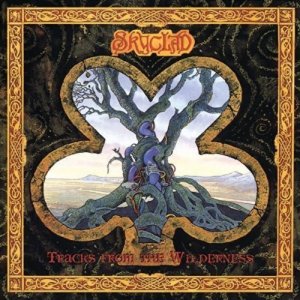
What makes a great cover version? There’s only one question you have to ask: does the band covering the song make it their own? Skyclad’s cover of Thin Lizzy’s Emerald is excellent. It’s faithful to the original song but the more metallic, aggressive and threatening delivery along with the clever use of violin to handle the chorus riff and bridge ensures the song fits perfectly in Skyclad’s folk metal oeuvre. Extra points awarded for guest guitar from Lizzy’s ‘Robbo’ Robertson and the fact that this version is responsible for me getting into Thin Lizzy in the first place! Even if I (and probably you) ultimately prefer the original there is no denying this is an inspired and enjoyable cover version.
Emerald opens their 1992 EP Tracks From the Wilderness and is followed by two studio cuts that sadly don’t keep up the standard it sets. A Room Next Door is a decent ballad with beautiful, rustic acoustic guitars but When All Else Fails is forgettable thrash. Neither are in the same league as the Lizzy cover or up to the quality of the tracks on the band’s previous two albums. The lack of Fritha Jenkins’ violin on these suggests they were probably off-cuts from the band’s debut album. The EP closes out with three energetic and endearing live tracks from the Dynamo festival. The band are tight and Martin Walkyier delivers each song with zeal. These excellent performances round out a worthwhile stop-gap release but there’s no denying this is mainly worth buying for Emerald. For fans only.
Rock the Nations was an encouraging but not entirely convincing return to the classic Saxon sound. With EMI breathing down their necks, Saxon made a last-ditch bid for stardom with 1988`s Destiny. But it wasn’t meant to be.
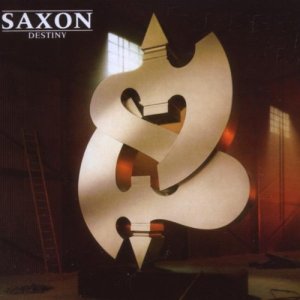
Destiny was the first (and only) Saxon studio album to feature the new rhythm section of bassist Paul Johnson and drummer Nigel Durham. Saxon were at a low ebb in their confidence and creativity, papering over the cracks with all sorts of formulaic 80s pop rock moves and an over-egged pudding of a production. Uninspiring songs like I Can’t Wait Anymore, We Are Strong and Song For Emma rely on stock pop rock moves and limp anthemry. And more promising numbers like Calm Before the Storm and S.O.S. struggle under layers of keyboards and backing vocals.
Look at the nick of these guys.
However, the band recaptures some of their classic might with For Whom the Bell Tolls and Red Alert. More dynamic, riff-heavy and fully-realised, it’s telling that these tracks rely less on the production bells and whistles. The album’s one true classic and standout track is Ride Like the Wind, a driving and charismatic power ballad reinvention of the Christopher Cross tune. It’s a brilliant cover and a should-have-been hit. It’s the only Destiny-era tune to endure in the band’s career and live repertoire. But even then, it’s no Broken Heroes, Battle Cry or Crusader.
Overall, Destiny is likely to be too syrupy for many fans of traditional Saxon and, even judged on its own merits as an AOR album (against, say, Magnum’s Wings of Heaven), it’s unconvincing. In fact, it’s one of Saxon’s worst albums. As worst albums go, it’s not a total disaster. There’s good stuff here and in the right mood even some of the ropier tunes can connect. But the patchiness, dissipating credibility and perceived commercial desperation of Saxon’s EMI years came to a head here. Before long the band were dropped from EMI, had fired their management and were taking time out to rethink and recharge. It would take years for the one-time champions of NWOBHM to fully recover.
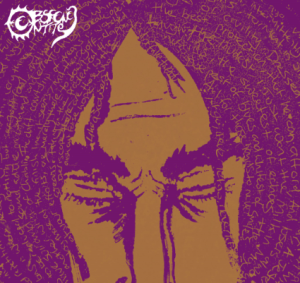
As Obscene Entity power into the climatic riff of the track Insanity Binds, someone shouts the word “fuck”. Now, normally that kind of posturing would have me rolling my eyes, thinking of Lars Ulrich. But the particular moment at which it is exclaimed, after the band have just powered through a veritable maelstrom of death metal riffs before returning successfully to the song’s main riff, it comes across as totally genuine. Even triumphant. You find yourself totally behind them. Fuck!
I can’t think of a better way to illustrate the joy of Obscene Entity’s debut album Lamentia.
Loosely based around the theme of mental fragility, this intense and heartfelt album pulls you down a rabbit hole of tortured death metal. The album starts off with the Gojira-fronted-by-Jeff Walker assault of Planetary Devastation. It’s a good, solid opener but the album kicks into another gear as Hymns of the Faithless veers from a dizzy, swirling riff midway through the track into a groovy, stop-start breakdown. It’s the kind of stuff that makes you gurn like Phil Anselmo. Listen to this on the bus at your peril.
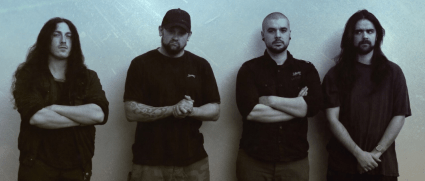
Obscene Entity – upgraded to a four-piece since Lamentia was completed
And from there on the album just seems to intensify, the band continually adding new elements and styles. The title track has a whirling dervish riff and ringing chords that bring to mind Emperor and Euphoric Vanity employs some guitar progginess in a wonderful Chuck Schuldiner vein. The twin vocals of guitarist Matt Adnett (also of Shrines) and bassist Calum Gibb keep things varied throughout: ranging from brute Behemoth growls to hoarse blackened snarls. But the top honours go to drummer Luke Braddick. For an album this vehement, it’s remarkably hooky and those hooks are powered and enhanced by Luke’s dynamic and tasteful playing. Throughout, the band plays a modern style but has a classic sensibility and chemistry: constantly reining themselves in, allowing space for all the parts to have maximum effect. This quality, aided by the powerfully clear production from Dan Abela, only adds to the album’s power and intensity.
There are a lot of approaches and influences on Lamentia and my only concern is that the band haven’t quite found their unique voice yet. But it’s never derivative and the prospect of the band developing and finding that voice on future releases is tantalising. But until then, there’s plenty to enjoy and gurn at in Lamentia. It’s unreconstructed death metal performed with remarkable skill, piss and vinegar. Expect to see this in my end-of-year Top Ten, it’s a fantastic debut. Fuck!
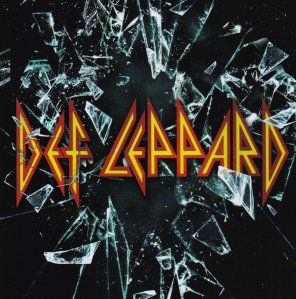
New Def Leppard albums will always be stacked up against Hysteria, the last and most successful album of their classic era. Every subsequent release reliably trotted out as “their best since Hysteria“. But it’s been 28 years since that album and Def Leppard’s career has been hit-and-miss ever since. Without the hard-edged chemistry they enjoyed with the late Steve Clark as their guitarist they’ve been unable to satisfactorily turn the clock back to their classic era and any attempt to progress and achieve a crossover success by introducing contemporary influences has had mixed results and a mixed reception. Their new self-titled album finds them employing various approaches taken from throughout their long career and, like that career, it’s diverse and patchy.
Let’s Go and Dangerous kick the album off in an enjoyably classic Lep vein but they’re basically reheats of Pour Some Sugar on Me and Photograph respectively. Neither possessing the fresh spark or originality of the source material. Then the band pay homage to best-forgotten eras of their career too. Man Enough reworks Queen’s Another One Bites the Dust in such an un-sexy way that it brings to mind the horror of Euphoria‘s All Night. And even their career-nadir X is represented by the insipid ballad We Belong and the boy-band pish of Energized. The latter is quite possibly the worst song of their entire career.
The fan pack. Something to read while you pretend side one never happened.
But anyone loyal enough to stick out the diminishing returns of the album’s first half is rewarded as the album improves in its second half. All Time High and Broke N’ Brokenhearted prove that the band’s dumb-but-fun rock is still not out of the question. But it’s the more serious, moody tracks that are the real winners here. Wings of an Angel is an excellent slice of layered drama. Easily the best song on Def Leppard. And there’s a welcome return to the adventurous feel of the Slang era too with the excellent, moreish Forever Young and the “Lep do Zep” of Battle of my Own.
Sadly, the album’s indian summer isn’t enough to undo the, often embarrassingly bad, first half. With tracks three to seven removed you’d have the makings of a decent Def Leppard album here. But even then, it would still just be solid. There’s nothing here that the band, or other bands, haven’t done before and better. There’s no shame in a classic act relying on past glories but to do so with so little fire and edge is unforgivable. Disappointing.
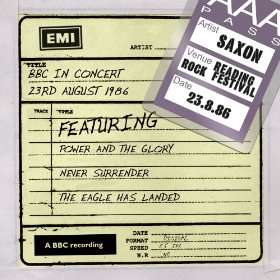
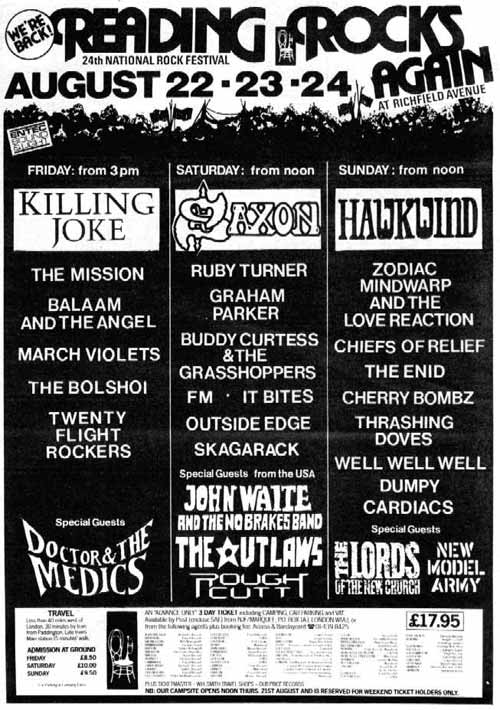
Only a year had passed since Saxon’s 1985 Hammersmith show was broadcast on BBC Radio but Saxon invaded the UK’s airwaves yet again as their headlining slot at 1986’s Reading Festival was recorded for broadcast on the BBC Friday Rock Show. The band were touring to promote the imminent release of the Rock the Nationsalbum and, while that patchy album found them losing their Midas touch in the studio, on BBC in Concert (23rd August 1986) it sounds like they were losing none of their knack as a live act.
Sadly, the BBC didn’t air the whole set and cherry-picked just 9 songs for broadcast. Much of the broadcast has since been available on Saxon’s BBC Sessions album but this album download (available on Amazon/iTunes etc…) now presents the complete 9 song, 51 min broadcast as it was originally aired. It’s fairly heavy on the classic material and if you didn’t know what year it was from you could be forgiven for thinking this was the band in their NWOBHM pomp. Only two new songs give the game away: an excellent version of Rock the Nations that fits right in with the older material and a performance of Waiting for the Night which… doesn’t. It’s actually a pretty good version of the track but its pop rock breaks the spell cast by glorious versions of metal powerhouses like 747 (Strangers in the Night) and Wheels of Steel. On the bonus side it’s the song here that gets played least often so it’s good to hear and own a live version of it.
A bit of a mixed bag then!
That one hiccup aside, the rest of the performance is impressive. The band is on winning form and the crowd sound like they’re lapping it all right up. While new bassist Paul Johnson didn’t command the stage like Steve Dawson he acquits himself well musically. Never Surrender and 20,000ft give the classic TheEagle Has Landed live album versions a run for their money and an excellent Strong Arm of the Law climaxes with a wailing Graham Oliver solo (with some Sabs and Hendrix thrown in for good measure). The real highlight, though, is a captivating The Eagle Has Landed which puts its studio counterpart firmly in the shade.
The vintage quality of this performance must have been heartening stuff for fans troubled by the recent studio albums but any hopes for a return to form would soon be dashed. The Rock the Nations album proved disappointing and, frustrated by the way the band was being managed, Nigel Glockler would leave the band at the end of the tour to join GTR. And Saxon’s next, and last, studio album for EMI would be a desparate gamble that would test the patience and loyalty of their fans more than any other yet.
Saxon had aimed for the big time with the slick, streamlined Innocence Is No Excuse but fell short. The band put on a positive face, pointing to their improved US chart placings and successful tour but the album was basically an expensive flop. So for their follow-up, 1986’s Rock the Nations, Saxon went back to basics and recorded quickly and cheaply with producer Gary Lyons. Minus departed bassist Steve Dawson, vocalist Biff Byford took on the bass-playing duties for the recording of the album.* It would be the first and only Saxon album recorded by a four-piece.
Well, except the songs that have got Elton John playing on them.
I’ll give you a little moment here to let that sink in.
Rock the Nations sees the band return to a harder, grittier sound but there’s still a bit of radio-friendly finesse. It has a strong, muscular production much in the same vein as their classic Power & The Glory album. The opening title-track gets things off to a great start with its bold, blocky riffing and gruff vocals and the next track Battle Cry is even better, a strident true metal belter. Byford’s vocals are astonishingly passionate and gutsy, the arena-ready main riff is absolutely inspired simplicity and the rhythm section is flawless and propulsive. It’s a bloody triumph. But any hopes for a return to the band’s “classic trilogy” heyday are dashed as the band fail to maintain this fighting form for much longer.
Waiting For The Night is a catchy, personable AOR track. It’s one of those coulda-shoulda-been hits but it’s poorly positioned and fares badly coming hot on the heels of the bulging, anthemic Battle Cry. Elsewhere, tracks like Running Hot and You Ain’t No Angel are well-performed but forgettable Sunset Strip rockers (and the spoken word part on the latter is a low point). We Came Here to Rock overcomes its clichéd chorus with lively verses and Empty Promises is a pleasingly sultry slow-burner that gets lost on the album due to being sandwiched between “those” two songs. You know… the ones with him on them.
Yep, in the oddest pairing since Billy Joel guested on Exodus’ Bonded By Blood album**, Elton John was recording nearby and ended up tinkling the ivories on two of Saxon’s new tracks. You can probably guess from the titles that neither of these songs are particularly sophisticated. Party Til You Puke is a loose, fun Rock n’ Roll jam but the jokey lyrics and vocals are painfully unfunny and sink the song. And Northern Lady is uninspired, lazy balladry. If you’re going to write a passionate ode to your great love, you’d like to think you could think of a better way to describe her than just “Northern” surely? Just me?
Ultimately, Rock the Nations is Saxon putting on a brave face at a difficult time but their spirit is weak. The album starts off sublime and loses focus, direction and steam as it progresses. It’s not a bad record, it has some brilliant songs and a loose, fun quality about it, but it is a frustrating one. And, following Crusader and Innocence Is No Excuse, Saxon needed to do better than release another patchy underdog effort. Their next album would need to be much better or their days as a major-label act would be seriously numbered.
*During the recording Saxon would audition and hire Paul Johnson as their new bass player. He would be credited on the album sleeve as the bassist on Rock the Nations but he doesn’t play a note here.
“Did you listen to the radio every Friday night?” asked Saxon in their classic track Denim and Leather. If you did back in the 80s you might have heard this excellent live recording of Saxon’s show at the Hammersmith Odeon. Broadcast on Radio 1’s Friday Rock Show, BBC In Concert (18th September 1985) captures a difficult and interesting time in Saxon’s career as they toured to promote their controversial new album Innocence Is No Excuse.
Only a selection of the concert’s songs were broadcast so only four Innocence tracks appear here. Of those, Broken Heroes and Devil Rides Out fare best in the live setting, sitting comfortably alongside the band’s established repertoire. However, the moody Rockin’ Again is badly placed and struggles as the first encore tune. And while the catchy and upbeat Back on the Streets kicks off the broadcast well, its worth is put into question by the absolutely spine-tingling performance of Dallas 1PM that follows it.
On one hand the Innocence era tracks weaken the set but their lesser-heard nature adds to the interest for long-time Saxon fans. The rest of the broadcast is taken up by their radio-friendly classics which, with the possible exception of a tired-sounding Strong Arm of the Law, sound fresh and lively. Some of the performances here are exciting enough to make you feel like you’re hearing these songs for the first time. The versions of Dallas 1PM and Power and the Glory might be the best I’ve heard yet and older material like Wheels of Steel and Princess of the Night serve as strong reminders that this is the same band that recorded The Eagle Has Landed three years previously.
Graham Oliver and Steve Dawson
But they wouldn’t be for much longer. This would be the band’s last tour with bassist Steve Dawson. Disagreements with the band and management saw him fired before sessions began for their next studio album. It was a risky decision: Steve’s playing, performance and writing had played a crucial role in the band’s career and success.
But the problems behind the scenes are not evident in this live recording. It’s not an essential purchase but Saxon devotees are sure to get a good kick out of this. It’s an exciting and atmospheric time capsule of classic 80s Saxon out to prove their worth at a challenging time in their career. They certainly seem to have won over Hammersmith on 18th September 1985 but, with a key member gone and a couple of spotty studio albums behind them, the challenging times would continue.
This recording is available as part of the EMI Years [1985-1988] box set and also available separately as a download through iTunes, Amazon etc…