Tag Archives: English

Deep Purple – Mandrake Root (Song Review)

“It’s some thunder in my brain”

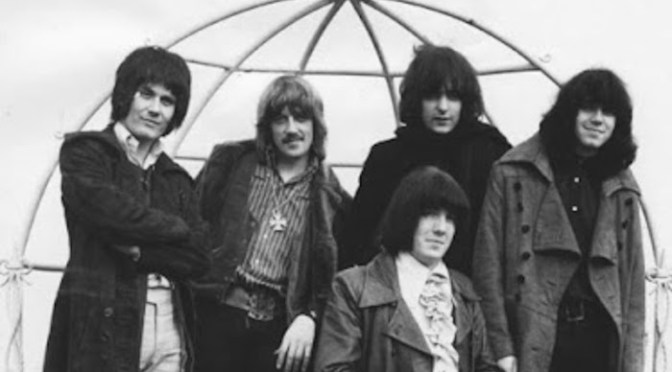
Deep Purple’s 1968 debut Shades Of Deep Purple has only a hint of the explosive contribution that Purple would make to metal’s birth a couple of years later but it can be heard clearly and excitingly on the album’s Side-B opener Mandrake Root. It’s a great, funky rocker that makes sterling use of the E7#9 “Hendrix” chord and some raunchy crooning from the band’s normally mild-mannered original singer Rod Evans. But it’s when the band launch into a short bass-propelled instrumental freak out that sparks start to fly. In their live sets the band would use this track to launch into huge jamming extravaganzas. Here, it’s kept fairly brief but it still allows the band to tap into the sonic danger that they would become known for. Guitarist Ritchie Blackmore, a tentative presence on the rest of the album, blasts out some violent, noisy tremolo abuse that is the record’s strongest shade of the Deep Purple we all know and love.
The Jimi Hendrix Experience – Axis: Bold As Love (Album Review)

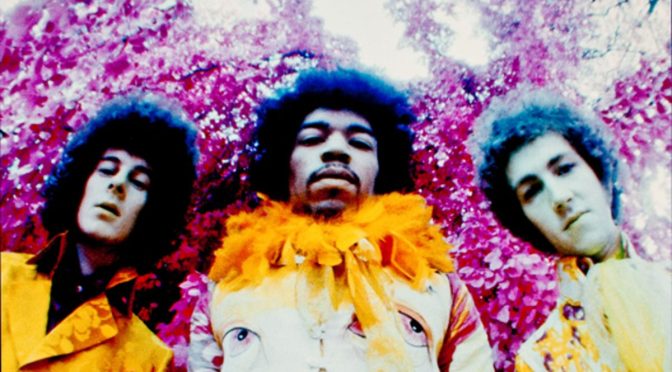
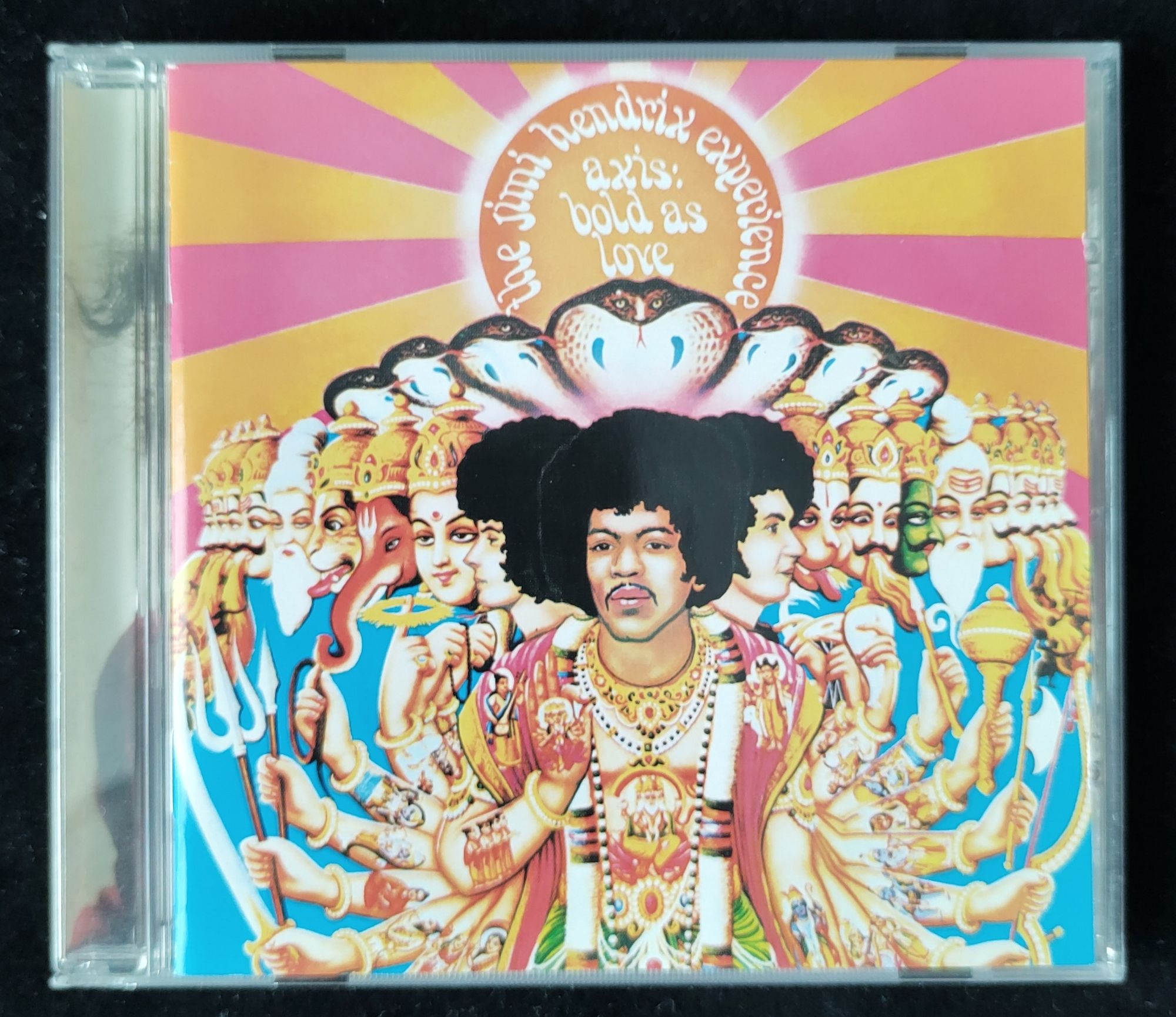
The Jimi Hendrix Experience – Axis: Bold As Love (Polydor/Track – 1967)

I went through a period of being obsessed with Axis: Bold As Love when I was a teenager, listening to it nearly every night. I don’t listen to it anywhere near that much now but it’s still my favourite studio album from The Jimi Hendrix Experience. Mainly due to the wonderful sonic tapestries Hendrix creates on colourful psychedelic tracks like Bold As Love, One Rainy Wish, Castles Made Of Sand and the timeless Little Wing. They’re all masterpieces and, as a budding guitar player, I found Hendrix’s playing and guitar tones fascinating and inspiring. If all that wasn’t enough there’s also the essential proto-metal of Spanish Castle Magic and If Six Was Nine: two of Hendrix’s, and therefore 1967’s, heaviest tracks.

My Dying Bride – The Cry Of Mankind (Song Review)

“You can’t expect to see him and survive”

On The Cry Of Mankind, Yorkshire’s My Dying Bride take an extremely simple but eerie guitar motif and build a monumentally dark, symphonic beast of a song out of it. It’s a masterpiece that manages to remain refined and elegant while still filling you with existential dread. And, as if the song proper wasn’t already crushing enough, The Cry Of Mankind‘s final minutes just let that six-note motif run on. But this time overlaying it with a haunting choir and the bellow of a foghorn so unsettling and otherworldly it feels like the last thing you might ever hear.

Cathedral – The Carnival Bizarre (Album Review)

Cathedral – The Carnival Bizarre (Earache Records – 1995)

Cathedral sound like they’re having a blast on 1995’s The Carnival Bizarre which is remarkable because a) you don’t normally associate bowel-loosening doom with good times and b) the band were just coming out of a frustrating stint as a major label act that resulted in the departure of talented guitarist Adam Lehan. But the band’s remaining guitarist Gaz Jennings takes up the slack on Cathedral’s third album, delivering a masterclass in doom riffing Sab-otage. The opening three tracks Vampire Sun, Hopkins (The Witchfinder General) and Utopian Blaster are Cathedral at their most entertaining and crushing but the rest of the album is thoroughly enjoyable with a playful array of superb deep cuts like the eerie Night Of The Seagulls and the tuneful Inertia’s Cave. And fans of Lee Dorrian’s exuberant and irreverent vocal interjections will not be disappointed either. Huggy Bear? Ohhh yeah.

Limited Edition CD/DVD Version

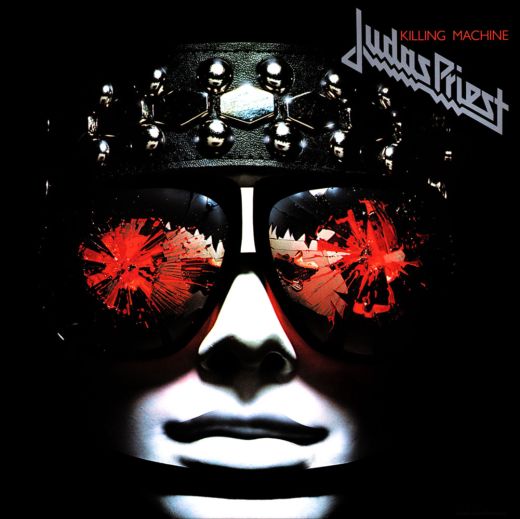
Judas Priest – Killing Machine (Album Review)

Judas Priest – Killing Machine (CBS – 1978)

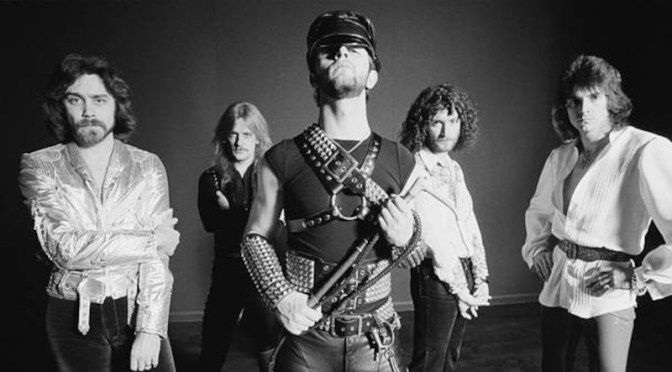
I’m cranking the hi-fi high today for my favourite Judas Priest album: 1978’s Killing Machine. Alternatively titled Hell Bent For Leather in some countries, Killing Machine continued the band’s impossibly superb run of metal-defining 70s albums and was their most red-blooded and raunchy release to date. Alongside megaton leviathans like the resolute Delivering The Goods, the turbo-charged Hell Bent For Leather and tough, direct rockers like Running Wild are songs like the glam stomper Take On The World and the wonderfully wistful Evening Star that managed to simultaneously evolve and simplify Priest’s style without diluting their lethal state-of-the-art metal godliness.

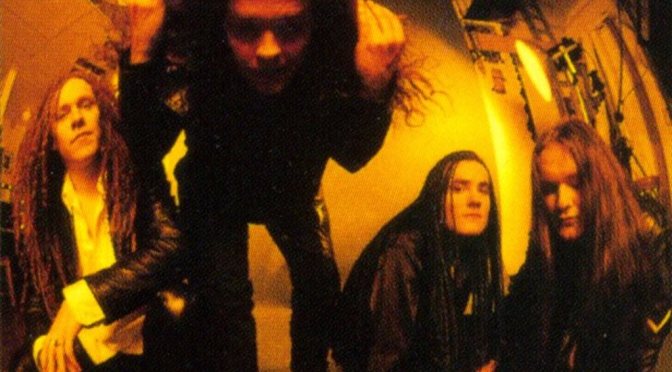
Anathema – Alternative 4 (Album Review)

Anathema – Alternative 4 (Peaceville Records – 1998)

Anathema’s Alternative 4 hits a sweet spot between the doom-laden metal of their early days and the uplifting self-help rock of their final ones. Frontman Vincent Cavanagh finds his voice amidst beautiful layers of instruments but the album also has an edgy, urban darkness. It’s like vicariously experiencing the emotions of someone’s most profoundly drunken bender: from rip-roaringly jubilant to extremely fighty to having a big cry. Alternative 4 is a very British masterpiece of maudlin, metropolitan metal: one of the most unique and intoxicating albums I’ve ever heard.

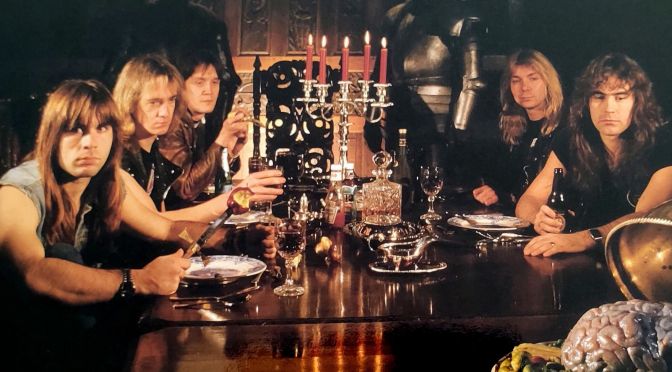
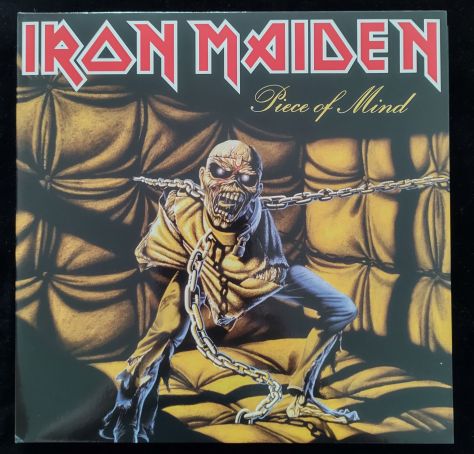
Iron Maiden – Piece Of Mind (Album Review)

Iron Maiden – Piece Of Mind (1983 – EMI, 2014 Reissue)

When you’re in a “back to basics” metal mood, like I am today, classic Maiden is just a no-brainer. For the first six songs, 1983’s Piece Of Mind is basically metal perfection with rousing boy’s-own stuff like Where Eagles Dare and The Trooper, the soaring Flight Of Icarus and more progressive fare like Still Life and Revelations which lend the album a dark, gothic aspect. Maiden were hitting the tour/record cycle hard in the 80s so, inevitably, the quality starts to get inconsistent towards the end but it would take more than a slightly silly song about cavemen to take down a beast like this.

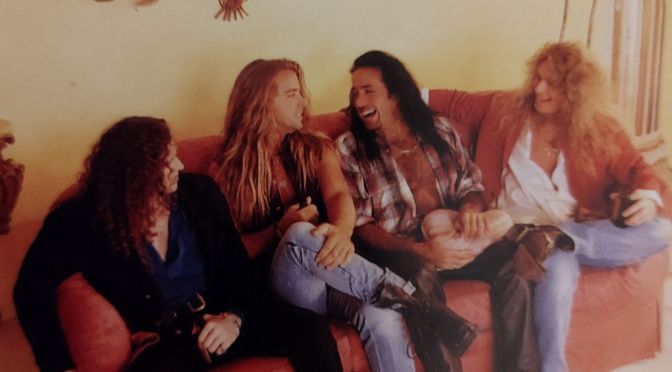
Blue Murder – Nothin’ But Trouble (Album Review)

Blue Murder – Nothin But Trouble (Geffen Records 1993)

Blue Murder were starting to sounding hopelessly outdated on their second album, 1993’s Nothin’ But Trouble. But in 1993 my taste in music was hopelessly outdated so I gobbled it right up. Compared to their bold debut album, Nothin’ But Trouble is a more calculated, commercial effort and there’s some rote wimphem here like Love Child and Save My Love. But I didn’t mind… back then I would have listened to Mr. Blobby if John Sykes was his guitarist. And there are some blazing rockers here like We All Fall Down and Cry For Love that took me right back to the glory days of Whitesnake’s 1987 and Thin Lizzy’s Thunder And Lightning.

Jethro Tull – The Witch’s Promise (Song Review)

“Lend me your ear while I call you a fool”

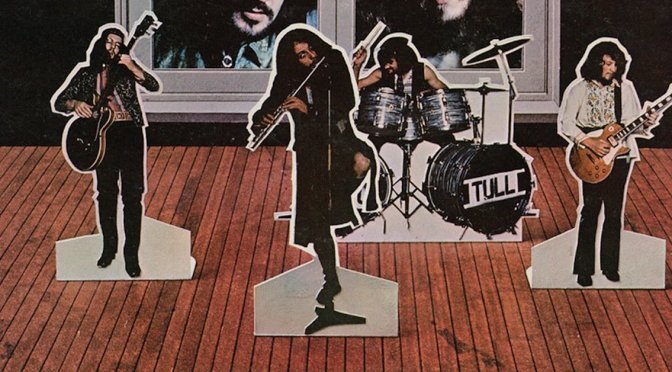
I’ve always been a sucker for a bit of folk and fantasy in my rock so I instantly fell in love with The Witch’s Promise the moment I saw Jethro Tull’s 1970 performance of it on Top Of The Pops (as part of the 1993 BBC series Sounds Of The Seventies). It took me years to find it on an album but luckily I videotaped the show so I could continue to partake of the song’s wonderful vocal melodies and lush layers of acoustic guitars, flute and keyboards. It had the swinging, hippy pop style of the band’s early material but The Witch’s Promise also pointed the way forward to the folkier, singer/songwriter focus and lush orchestrations of Jethro Tull’s future work. It was a watershed track that introduced me to one of my favourite bands and, by extension, the wider world of folk and prog rock. And it still bewitches me to this day.

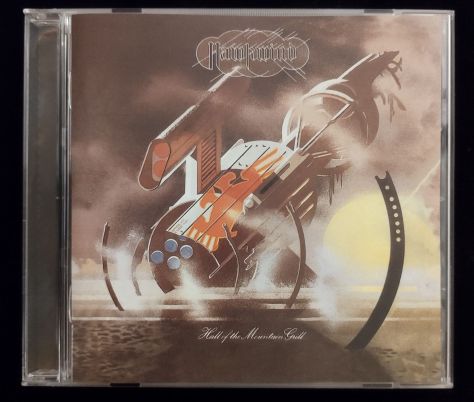
Hawkwind – Hall Of The Mountain Grill (Album Review)

Hawkwind – Hall Of The Mountain Grill (United Artists Records 1974)

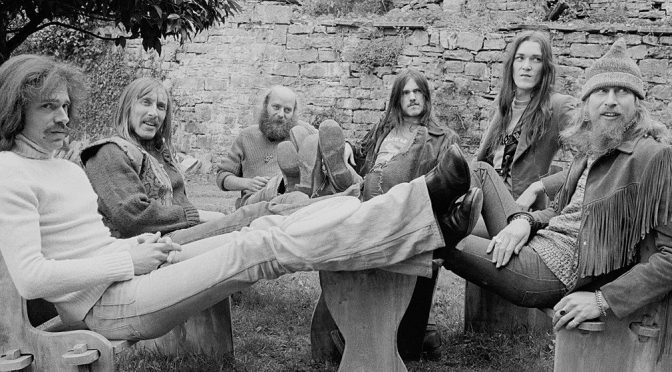
Despite being a mellower and more conventionally “prog” album, with a soundscape reminiscent of Pink Floyd and mellotron-laden King Crimson, 1974’s Hall Of The Mountain Grill is one of my favourite Hawkwind albums and a great place to start if you’re new to these dystopian space rockers. Psychedelic Warlords (Disappear In Smoke) is worth the price of admission alone: the band at their anarchic, street-level best. And Lemmy fans will enjoy hearing an early, pub-rocking take on future Motörhead tune Lost Johnny.