Category Archives: Hard Rock

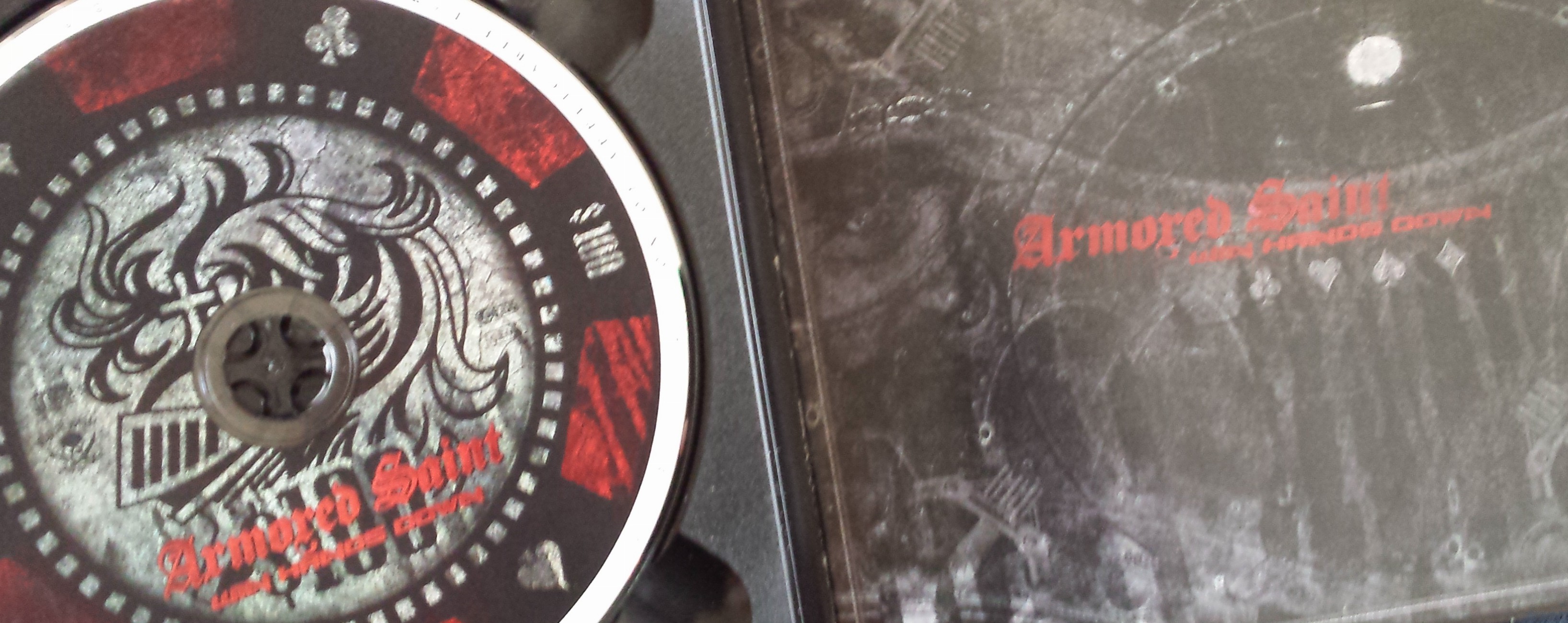
Armored Saint – Win Hands Down (Album Review)

Armored Saint - Win Hands Down (2015)
Armored Saint – Win Hands Down (2015)

It’s very exciting to have new music from Armored Saint. There’s a great deal of chemistry and talent in the ranks and John Bush’s superior voice is always a draw. I’d like to see them do well and get the credit they deserve and, with their seventh album Win Hands Down, they seem to be getting some long overdue sales and recognition.

2015-07-05 12.34.23

Initial spins were very exciting. There’s a real feeling of Rock history running through the whole thing. There are hints of Thrash, Alternative, burly Classic Rock groove and inventive Prog Rock twists and turns. The variation adding exciting colour to the band’s time-honoured muscular, melodic Metal. It’s the sound of a vintage band aging well. Win Hands Down opens the album with one of their best songs to date, a superb driving Rocker. And Mess is steely, massive and skilfully arranged. Armored Saint sound like they’re giving it their all. John Bush, in particular, is on peak form. No mean feat considering his track record.

But the Saints don’t totally conquer. The album hits a lull in its second half. With A Full Head of Steam and In An Instant are both curiously forgettable and the sultry Dive, although good, isn’t the kind of song to set things back on track. Some of the better songs are hobbled by weak lyrics too. They’re aiming for the raconteur character of lyricists like Lynott or Mogg but they don’t have the same skill or personality and end up hitting out with clumsy, cringe-inducing lines like “I even gave you your own unique rriinngg” and “He never killed anyone but he hurt somebody’s feelings once”. Even Bush’s can-sing-the-phone-book voice can’t save songs from clunkers like that.

Ultimately Win Hands Down is solid and well-performed but forgettable. If you don’t mind the wise-cracking lyrical personality of the album you might find plenty to enjoy here but it fails to connect emotionally with me. With repeat listens I’ve found myself losing interest in the album which is a shame as a few songs find the band at their very best. Plenty of people seem to be enjoying it more than me so I’m pleased for the band and their success. I just wish I had been more won over by it. Hopefully they can deliver something more up my street next time.

Saxon – Innocence Is No Excuse (Album Review)

Saxon - Innocence Is No Excuse (1985)
Saxon – Innocence Is No Excuse (1985)

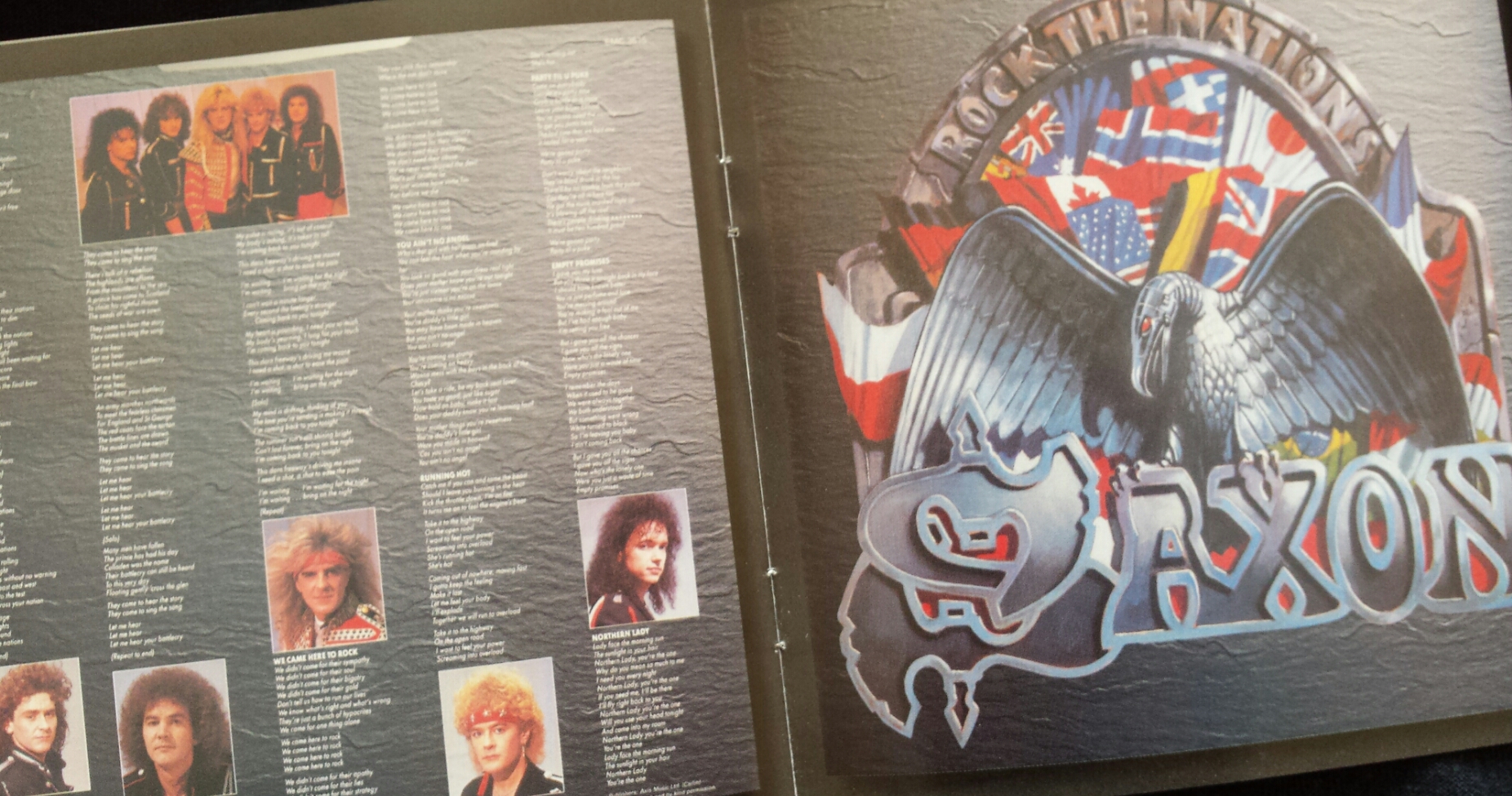
Innocence Is No Excuse was Saxon’s major-label debut, their first album under EMI/Parlophone. The band had left their indie label Carrere acrimoniously, suing over unpaid royalties. The case took months but meant vocalist Biff Byford and bassist Steve Dawson had plenty of time to prepare new Saxon material. Their last album Crusader had been a patchy, tired effort and, with contemporaries like Iron Maiden and Def Leppard leaving them in the dust, they would have to do better.

Produced by Simon Hanhart, 1985’s Innocence was a more cohesive and consistent album than its predecessor but it was also a controversial reinvention of the band’s style. It has a very commercial sound: smooth chorused guitars, gated drums and extra keyboards. And the band put a pop-metal spin on their material too. The opening track, the moody and windswept Rockin’ Again sets the stall out clearly: this is not going to be your typical Saxon album. With Byford and Dawson hogging the writing chores, the focus is firmly on melodies and anthems with very little guitar-riffing Heavy Metal Thunder. The more radio-friendly side of the band, demonstrated on previous songs like the power ballad Nightmare and simplistic singalong rockers like Just Let Me Rock, dominates here. The lyrics are simpler too. There are no songs about transportation: this band just wants to rock, shout, rock and shout again.

The coulda-shoulda-been hits

The focus on hooks and melodic anthems results in impressive coulda-shoulda-been-hits like Back on the Streets and Rock N Roll Gypsy but means there’s a lack of variety in style and dynamics in the album overall. Call of the Wild and Devil Rides Out stand out with some rare money riffs from guitarists Quinn and Oliver. Gonna Shout and Everybody Up are pleasingly dumb energetic crowd-participation numbers. While Saxon’s take on poppier material tended to sound limp on previous albums, here they sound bold and confident in their direction.

None of the songs are bolder or more confident than the Side 2 opener Broken Heroes. An elegiac ode to history’s war fallen, it’s the only true Saxon classic here, combining tragic sadness with fist-clenching pomp to sublime effect. It’s a triumph and, like Crusader on the album before, the best song on here by a mile. That both Crusader and Innocence… are most successful in their lone epic boy’s-own moments indicates that Saxon were losing sight of the blokey grit, depth and heart that were important parts of their charm.

With their major label behind the album, Saxon enjoyed their highest US chart placing yet and bagged some MTV exposure but found themselves falling out of favour in the UK. A narrative took hold that they were trying too hard to crack America. Ultimately, on both sides of the Atlantic, the glossy sheen and perceived lack of integrity would make Innocence Is No Excuse a forbidden fruit in the Saxon catalogue. But if you fancy some cheese with your apple, it’s worth taking a bite out of this one. It’s an underdog pleasure. Saxon were too talented to put out a total dud and their talent is still very much in evidence here, if misdirected. By the time the next record arrived, there would be one less talent in the band.

Mah copy - never quite sure if she was eating the apple or just dribbling on it
Mah copy – never quite sure if she was eating the apple or just dribbling on it

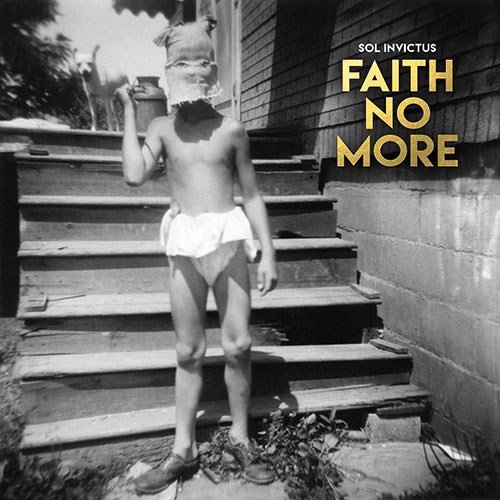
Faith No More – Sol Invictus (Album Review)

Faith No More - Sol Invictus (2015)
Faith No More – Sol Invictus (2015)

My favourite Faith No More albums, Angel Dust and King for a Day… Fool for a Lifetime, took time to grow on me. Big chunks of the albums would go over my head but there were always enough instantly accessible songs to keep me coming back for more. And with each listen their darker, more challenging material would start to work on me until I was completely won over. Continuing this tradition, their reunion album Sol Invictus has taken repeat listens to reveal itself too… but in a slightly different way. 2015-05-28 17.37.18-1 The news that the reunited Faith No More would be releasing their first new music since 1997’s Album of the Year was hugely exciting but the early singles Motherfucker and Superhero seemed disappointing. And on initial spins it seemed like Faith No More were playing it too safe. The material and delivery seemed lazy and half-baked. But, strangely, the album was more instantly satisfying in its darker, denser moments. Songs like Separation Anxiety, Matador and the fantastic Cone of Shame all reminders of the band at their very best and it was these tense and claustrophobic tracks that brought me back for repeat listens. And on those repeat listens songs like Sunny Side Up and Rise of the Fall began to exert a magnetic, hooky pull. Turns out that there’s a lot going on in the album’s short running time. I found hidden depths, enigmatic lyrics and moments of joy in songs I’d previously deemed throwaway. Even the singles started to grow on me, working better within the context of the album.

The things that struck me as weaknesses in early listens (the safe approach, restrained guitars, empty catchiness) are all objectively still there but now they just don’t seem to matter. Mike Patton’s remarkable vocals and Roddy Bottum’s keyboards prove to be the star turns here but mostly the band foregoes grandstanding in favour of serving the music’s expression and theatricality. Fans of the band’s more Caffeine-ated explosiveness might be disappointed but that was only ever one part of their style. This is still recognisably a Faith No More album, reminiscent of their past work but also a step forward and a new start. It’s a hugely rewarding listen and it’s also very much a grower. In other words, classic Faith No More. Welcome back.

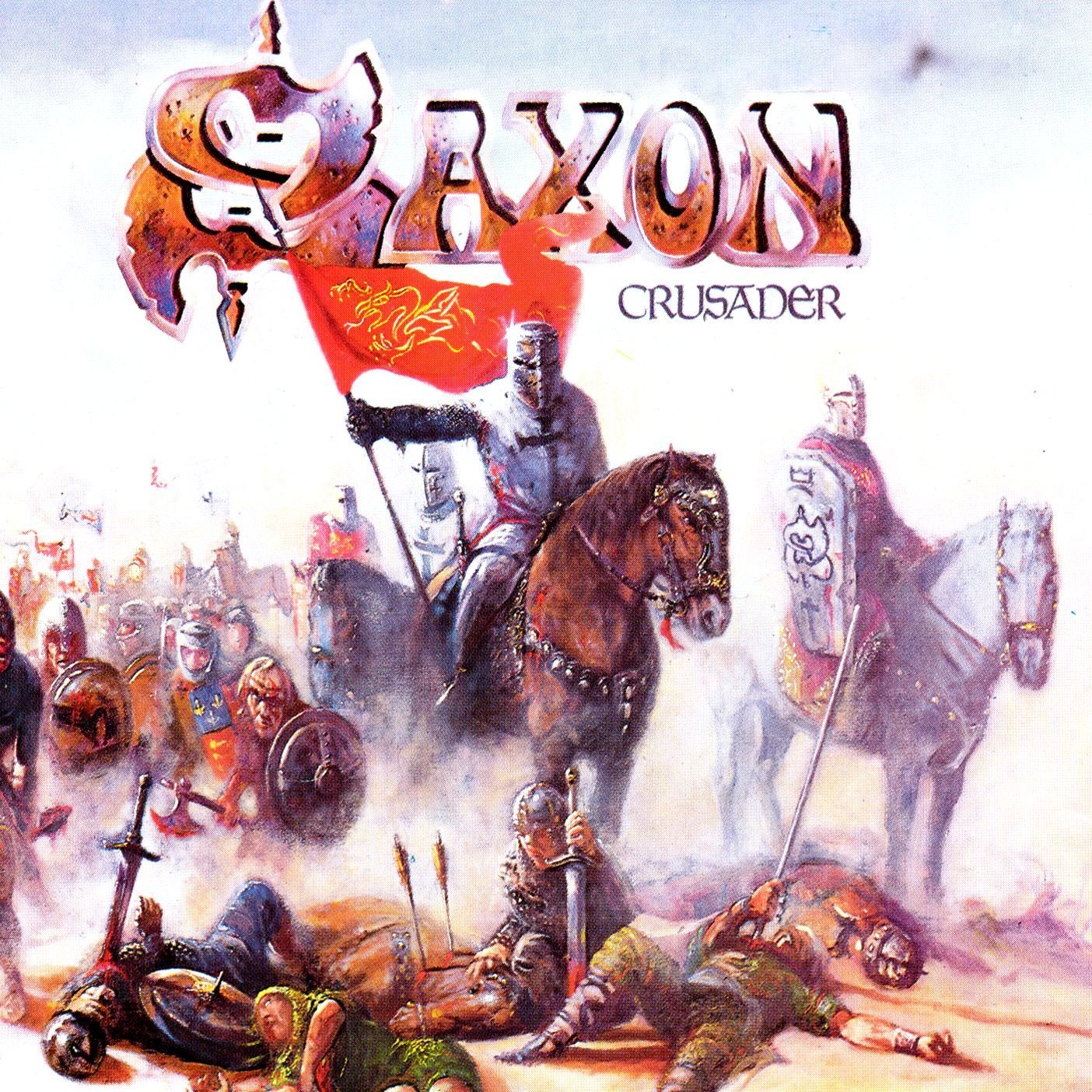
Saxon – Crusader (Album Review)

Saxon - Crusader (1984)
Saxon – Crusader (1984)

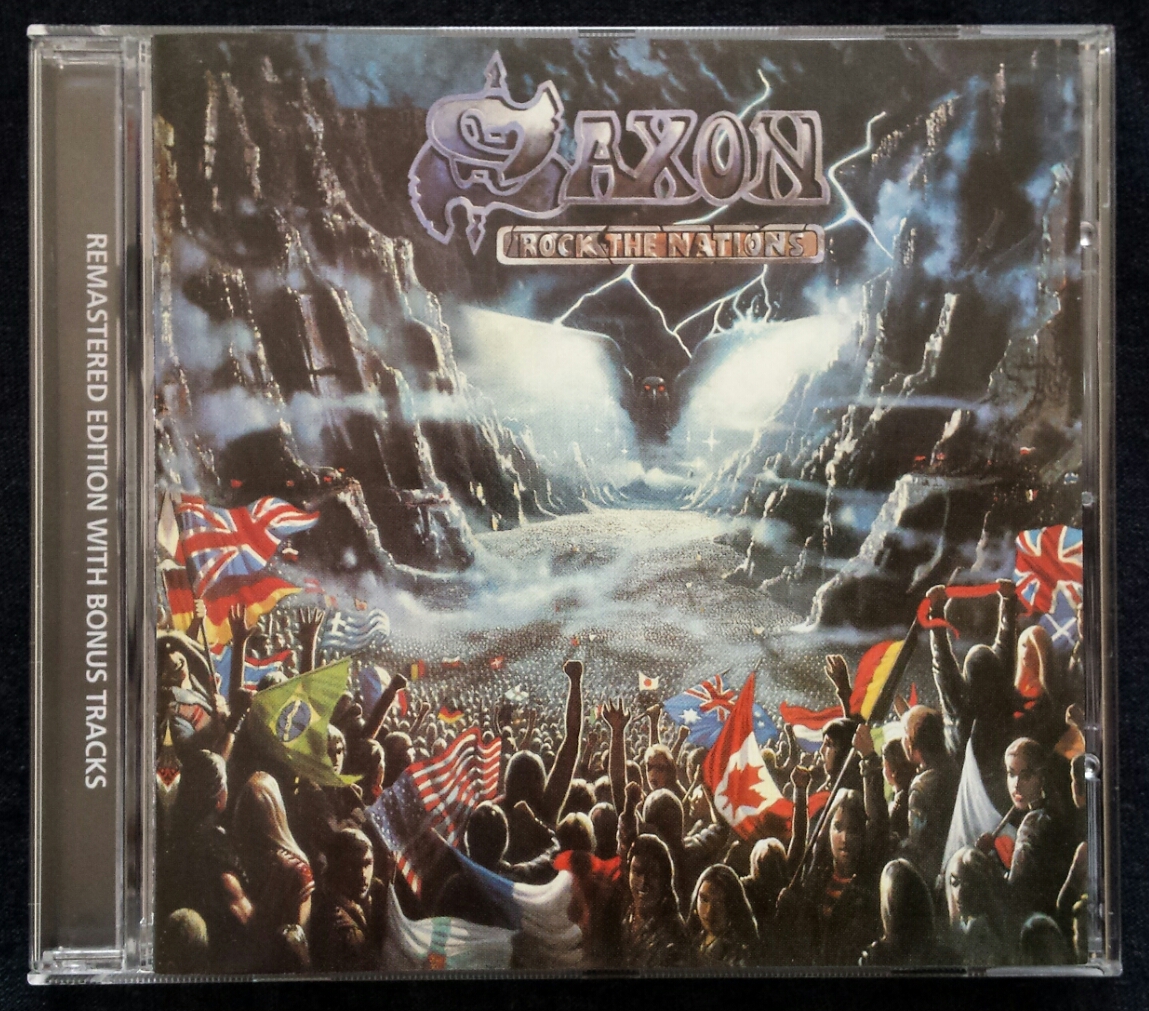
The bold Sir Knight on the excellent cover of 1984’s Crusader looks like he’s expecting some sort of bother. And, by reviewing the album that he adorns, I’m expecting a bit of it too. This is the kind of album you could easily get into a fight about. You could scrap about metal genres and styles: epic metal or hard rock; British or American; 70s glam rock or 80s glam metal; rockers vs ballads. They’re all here. There could be pistols at dawn over notions of integrity about Saxon’s leap to major label status with EMI and their search for a big break in the States. But, as a fan of all kinds of rock and metal I could just focus on the only thing that really matters: is Crusader any good?

As bugles and horses’ hooves herald the arrival of the title-track, the answer is yes. Better than good. It’s astounding. The epic Crusader tells of 12th Century warriors riding into battle. Biff Byford is on exceptional form lyrically and vocally. The grandeur of the song harkens back to tracks like Frozen Rainbow and Militia Guard from their overlooked debut. The climatic guitar solo and impassioned final choruses are Saxon at their most spine-chilling.

2015-04-16 18.03.08-1

The rest of Crusader continues the polishing of Saxon’s sound that began with their previous album, the chrome-plated barnstormer Power & the Glory. Recorded in LA with REO Speedwagon producer Kevin Beamish, Crusader introduces a much more easy-going sun-kissed sound with the guitars quieter and the vocals the main focus. There are some attempts at commercial appeal. Do It All for You is Saxon’s first straight-up love ballad. Similar in mood to Journey’s Lights it’s got a nice sensuous feel and a regal intro but it’s let down by the lyrics as Saxon climb the highest mountains and search the deepest seas in search of clichés. Sailing to America is also in firm AOR territory and is an album highlight, a carefree cruiser with some expressive and colourful guitar.

The remaining tracks are predominantly straight-up rock. Just Let Me Rock, released as a single, is instantly memorable and has cool moody verses but it doesn’t dig in enough to fully engage. A Little Bit of What You Fancy and Rock City push more air but their choruses are a bit too naff for comfort. Run for Your Lives is better with its rousing football-chant coda while Bad Boys (Like to Rock N’ Roll) and the cover of Sweet’s Set Me Free are both tough enough to recall the street-fighting Brit grit of old.

The Yorkshiremen were still fighting the good fight but, with Crusader, Saxon’s standard dropped. It’s an enjoyable album overall but it needed more sonic heft (some songs fared better at the demo stage) and more consistent song-writing to match the quality and vitality of their past efforts. Only the album’s title-track truly belongs in the same rarefied air as past glories like 747 (Strangers in the Night). Crusader remains one of Saxon’s most beloved songs and the rest of the album basks in the goodwill generated by it.

In the UK Crusader turned out to be Saxon’s lowest charting album since their debut and a big US breakthrough continued to elude them. But their US sales were still improving and the album was a hit throughout mainland Europe. It eventually sold 2 million copies, making it Saxon’s bestselling album to date. But as Biff Byford said “we have had albums that have been more popular [than others]. That doesn’t necessarily mean I like them more.” And I think we should keep that in mind with Crusader. It’s a solid, successful and important album in Saxon’s career but better albums came before and after it.

My copy!
My copy!

Saxon – Power & The Glory (Album Review)

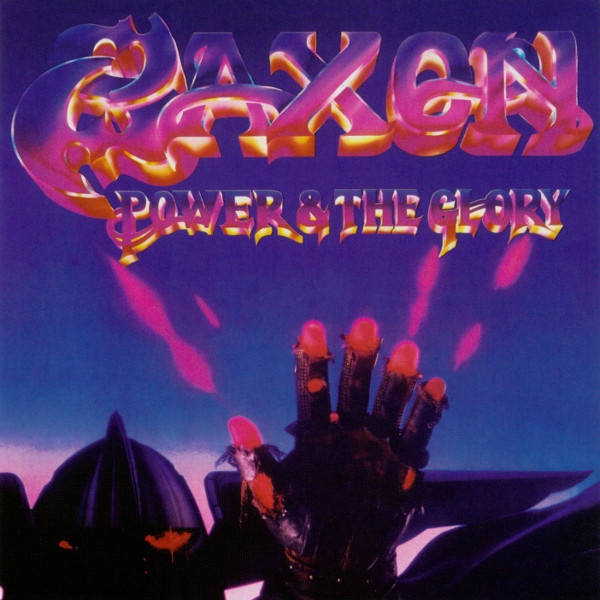
Saxon - Power & The Glory (1983)
Saxon – Power & The Glory (1983)

In 1982 it was time for a rethink in the Saxon camp. They had been turning their attention to America and while they slogged in support slots and club gigs Iron Maiden and Judas Priest were enjoying impressive Stateside commercial breakthroughs. Saxon’s management and label set their sights squarely on American success and the Yorkshiremen were packed off to Atlanta to record their next album, 1983’s Power & The Glory, with hopes of finessing their sound and upping their game.

While the UK fans and critics might have suspected the band would soften their edges, Power & The Glory turned out to be Saxon’s most Metallic release yet: former Kansas producer Jeff Glixman helped them achieve their best sound to date with layers of massive guitars and a charged rhythm section put straight in your face. A combination of hot-rodded British steel and radio-friendly sheen in a similar vein to Judas Priest’s hit Screaming for Vengeance album. The steelier moments are the most impressive: as Power and the Glory’s tense album-opening riff breaks into the verse it’s like you’ve been launched into battle. Biff Byford gives a rousing vocal and the lyrics are an alluring combo of proud valour and anti-war sentiment. It’s another classic jewel in Saxon’s crown. Redline’s pneumatic shuffle breaks into a classy open-road chorus and Warrior is a scything speed-metaller. The Quinn/Oliver guitar duo are in peak form throughout the album but Warrior’s berserk, slurry guitar solo from Paul Quinn is one of the band’s best.

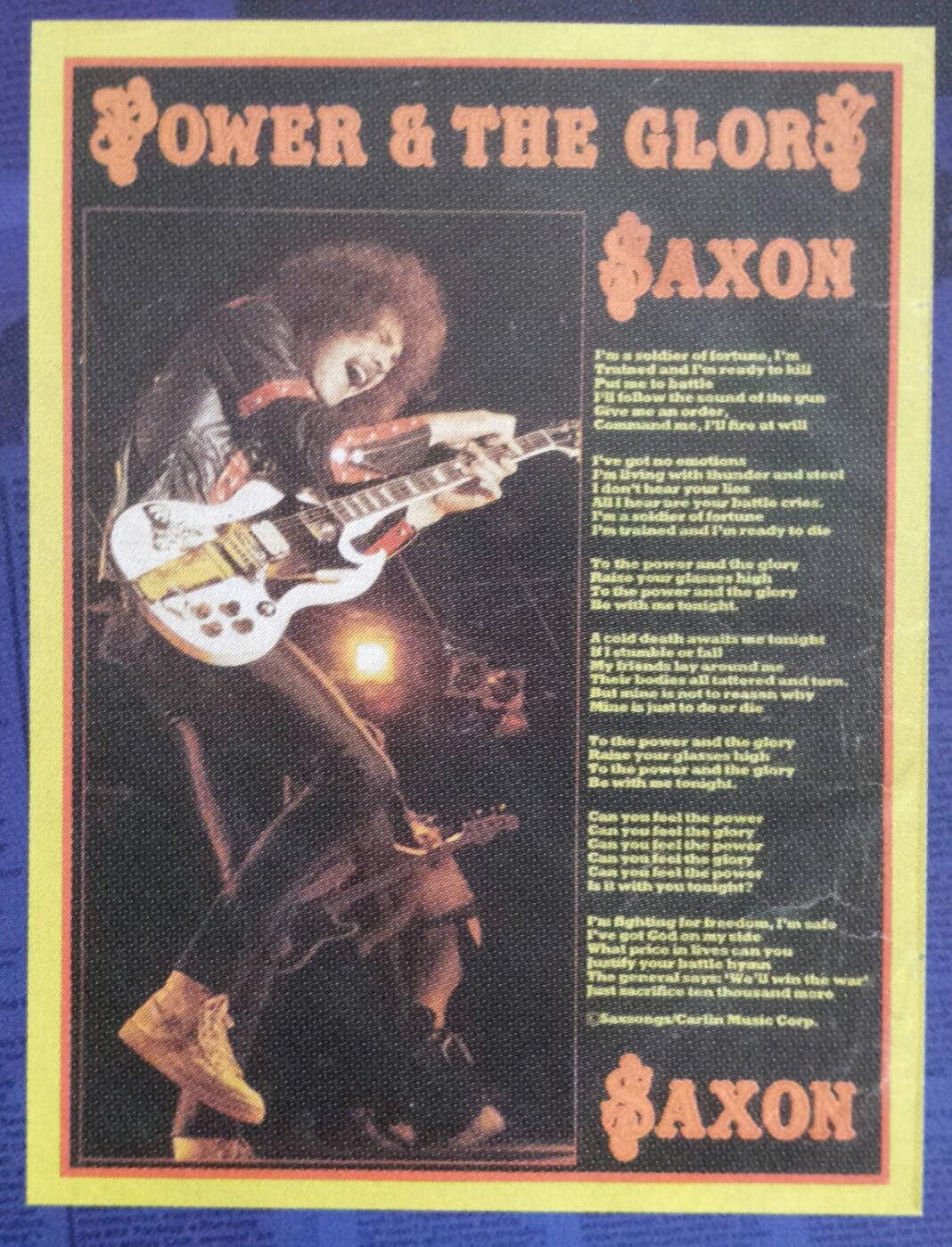
Can you feel the power? Can you read the lyrics?

The album is less sure-footed when it aims for airplay. Watching the Sky is enjoyable but stock and Nightmare is not quite the star single it wants to be (despite its coruscating guitar solo and cool harmony vocals). But even at Power & The Glory’s weakest the band thunders with conviction, enlivened by the hurricane energy of new drummer Nigel Glockler. Nowhere is this more apparent than on Side 2 opener This Town Rocks which, although it works better live, is a veritable showcase for Glockler’s combustible drumming. The icing on the album’s cake though, is the return of the debut’s prog rock elements to the band’s style. Midas Touch overcomes its daft lyrics by combining a weighty Sabbath-grade riff with Frozen Rainbow-style mellow verses for satisfying light and shade and The Eagle Has Landed closes the album with another Saxon classic: an interstellar journey with lush, spacey guitars and a hefty riff so dramatic you can almost overlook its similarity to Priest’s Victim of Changes. But despite the familiar riff it’s still one of Saxon’s more creative tracks and a great album closer.

Power & The Glory was Saxon’s purest heavy metal release to date: there’s little of the older Saxon’s blues and boogie here. While fans might miss the knockabout, rowdy style of albums like Wheels of Steel the progression is understandable following the slight diminishing returns of previous album Denim and Leather. It’s a more fully-realised and consistent album with less Rough and Ready-style throwaway filler but it doesn’t quite rack up the same quota of classics as previous records. Sadly, as far as their invasion of the US went: Saxon came, Saxon saw, but Saxon failed to conquer. Even in the UK they found their commercial grip loosening. But metal fans whose taste runs to the epic and the martial (and don’t mind a bit of drivetime pomp) will find that this album is an absolute blast. The title-track alone makes it worth the price of entry and no metal collection can be complete without it. While often overlooked in favour of the preceding “classic trilogy” it truthfully forms the last in a quadrilogy. This is a lively and exciting record that fulfils the promise of its title. You can feel the power and, even though Saxon probably weren’t getting as much of it as they’d like, you can definitely feel the glory. What more do you want from a metal album?

Ian Gillan – Toolbox (Album Review)

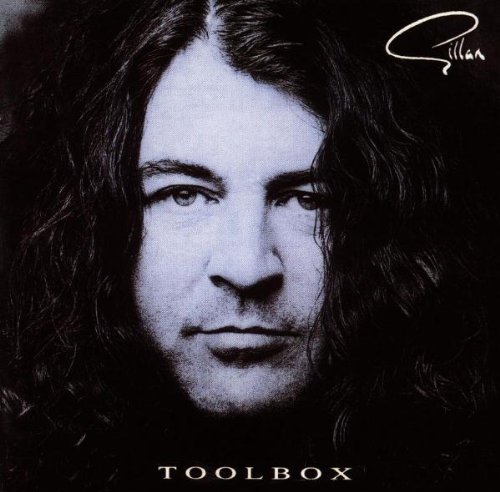
Ian Gillan - Toolbox (1991)
Ian Gillan – Toolbox (1991)

‘Everywhere I go there’s bad news on the radio’.

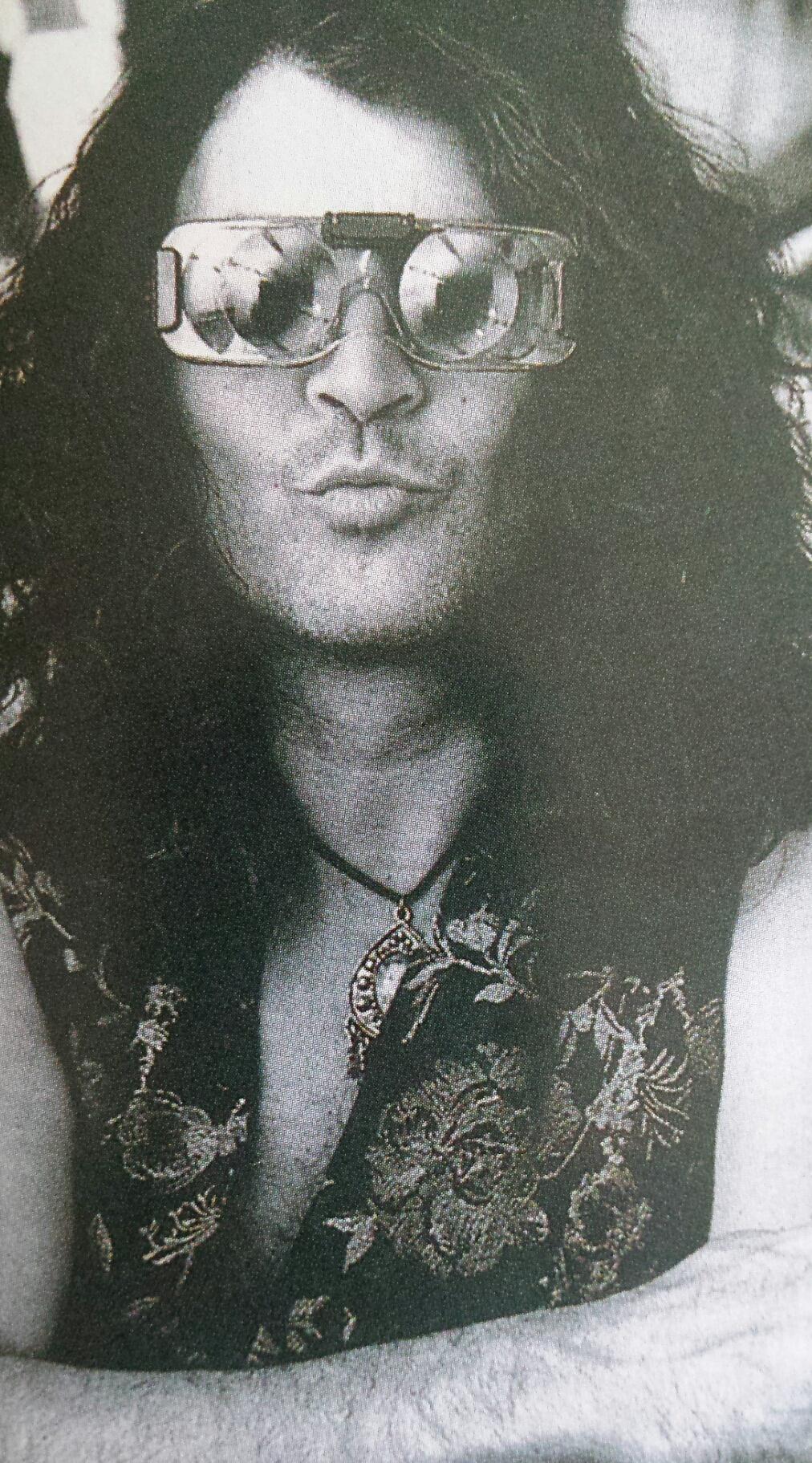
In 1989 the bad news was that Ian Gillan* had been given the heave-ho from the (formerly) reunited Deep Purple. He wasted no time getting his career back on track, releasing the smooth AOR-styled Naked Thunder in 1990 just before Deep Purple returned with their own Slaves and Masters (with Joe Lynn Turner in place of the ousted Ian). Perhaps their return brought out Gillan’s competitive spirit because with his next release, 1991’s Toolbox, he got hard and dirty, dirty, dirty, dirty, dirty…

A Man Shaped Woman
A Dancing Nylon Shirt

The lush keyboards of Naked Thunder were gone. Gillan’s new band was a guitar-driven power trio with a sturdy American rhythm section of Brett Bloomfield on bass and Y&T’s Leonard Haze on the drums. Producer Chris Tsangarides did an excellent job with the crisp and warm reverb-heavy sound. Only guitarist Steve Morris remained from Naked Thunder but in a more starring role with his Van Halen riffs and colourful solos all over the new album. While the musical backing is generic it’s also vibrant and lively, inspiring a fantastic Gillan vocal performance full of personality, echoing octave-defying screams, lusty exhortations and witty, playful lyrics. Mostly about shagging. Deep Purple never got this party-hearty but there is still some familiar Purple-esque heft in the bluesy Hang Me Out to Dry and Dirty Dog. The two-part Dancing Nylon Shirt saga is more oddball with its groovy, churning riff although the second part edges a bit on the silly side. And although Toolbox is a light-hearted album overall, there are serious moments like the up-tempo Candy Horizon and Pictures of Hell which are topped with catchy Maiden-esque guitar melodies and maniacal singing. Even the ballad Don’t Hold Me Back has a sense of macho defiance, an album highlight with its lush, surf mood and building chorus. But the album is absolutely priceless when it’s just straight up rock n’ rolling fun: the title-track, Bed of Nails and Everything I Need invoke giddy, breathless joy, blasting your worries away.

When it was released, Rock journalist Chris Welch said that if Toolbox wasn’t ‘a huge hit then maybe Rock really is dead’. Alas, Toolbox wasn’t a hit and Gillan was soon back in Purple, the battle raging on. Despite Welch’s dire prognostications Rock managed to live on and so did Toolbox. I always had it down as competent but entertaining but, over the years, I’ve enjoyed it more and more. It’s aged well. It’s the sound of a band that are loving what they do, and one of Rock’s greatest singers on brilliant form. It’s become one of my reset buttons any time my music listening feels uninspired, the kind of life-affirming fun that never dies.

*Worth pointing out that, although the ‘Gillan’ band logo is used on the cover, this release is considered and billed as an Ian Gillan solo album.

Death SS – Zombie/Terror (7″ Single – Review)

It's fun to slay at the YMCA
It’s fun to slay at the Y.M.C.A.

Considering the huge impact Italy has had on the world of horror movies since the 60s, it’s hardly surprising that the first Italian Heavy Metal band was steeped in the sepulchral atmosphere of the graveyard. Death SS were formed in 1977 by guitarist Paul Chain (the “Death”) and vocalist Steve Sylvester (The “Vampire” whose initials also provided the “SS” of the band name). The band was rounded out by guitarist Claud Galley (The “Zombie”), bassist Danny Hughes (the “Mummy”) and the superbly-monikered Thomas Hand Chaste (the “Werewolf”) on drums. If the Village People ever went Hammer Horror they would probably end up looking something like Death SS.

Although they toiled in obscurity, Death SS still managed to release demos and some privately pressed singles. The Zombie/Terror 7” is the earliest of those singles, an extremely rare release that has now been exhumed and reissued by Svart Records. A-Side Zombie is a 1979 demo version recorded at a rehearsal and B-Side Terror is a rough live take from 1980. Both are horrible, crudely performed and even more crudely recorded. But an inspired and creative magick cuts through the sonic fog. Naively simple but ominous riffs are topped with chiming, ethereally spooky guitar melodies and the vocal hooks in both songs are immediate and melodic enough to endure Sylvester’s cheese-grater vocals. The ugly rawness of the production and singing also strengthens the dark, occult atmosphere: a method that many Black Metal bands would make a virtue of years later.

You could draw style connections via the Italians from Killer-era Alice Cooper through to the Black Metal genre but Death SS don’t really sound like anyone else. Their otherworldly eeriness, melodic nous and the murky, macabre shroud of sound makes for a darkly seductive listen that I’d strongly recommend to fans of occult/horror-themed Metal. Superior versions of both these songs can be found on the essential The Story of Death SS 1977 – 1984 compilation so newcomers should start there. But for existing fans this single is a great opportunity to own more of this obscure band’s rare and early work and to hear their first lumbering steps from beyond the grave.

Saxon – Denim and Leather (Album Review)

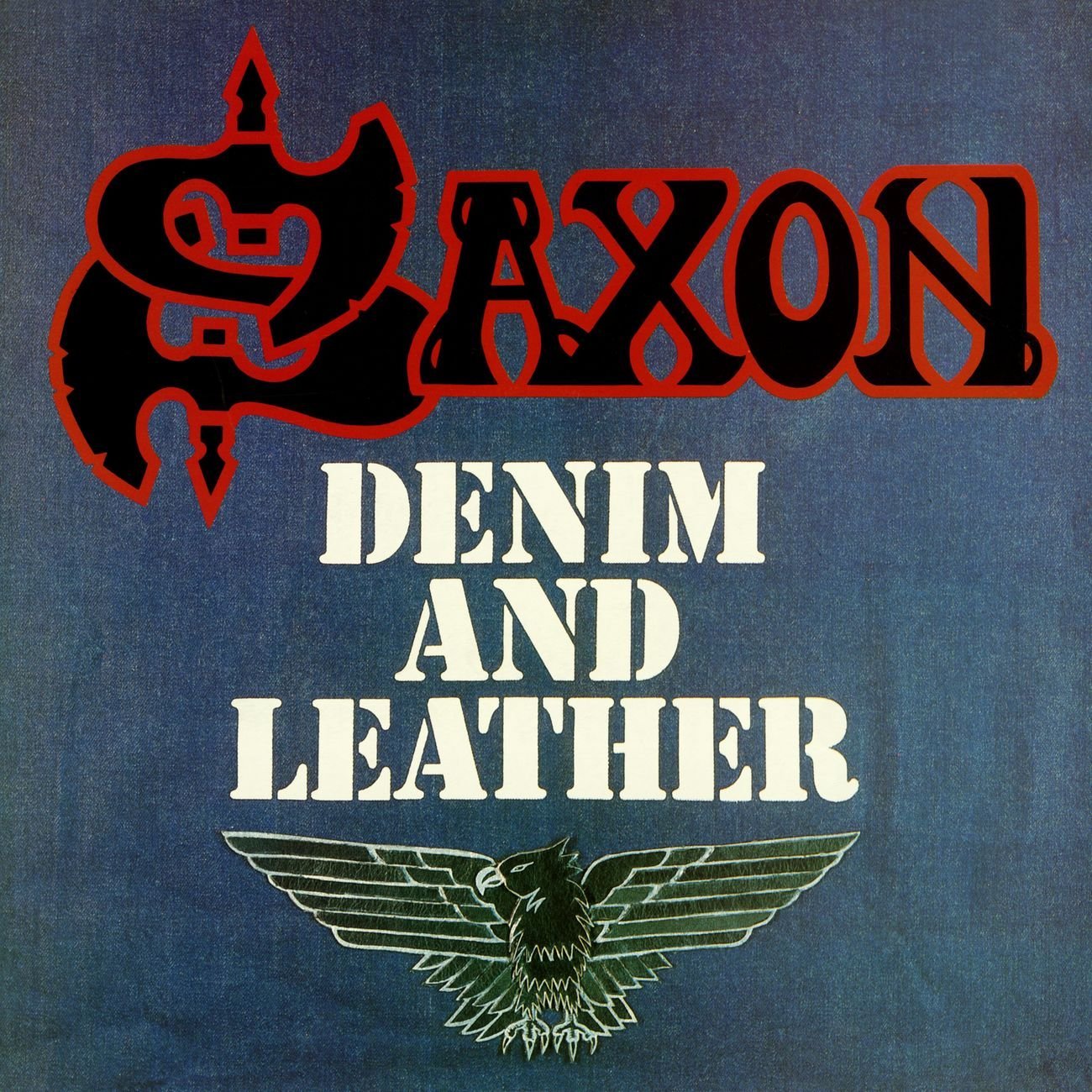
815K+mBspyL._SL1300_
Saxon – Denim and Leather (1981)

They might have released two stone-cold classics in 1980 but Saxon weren’t about to put their feet up. The New Wave of British Heavy Metal was now in full flow and Saxon were clearly unwilling to relinquish their position as the commercial hot property of the movement. Released in 1981, hot off the back of their considerable success the year before, Saxon’s fourth album Denim and Leather was a celebration. Not just of the band’s success but of their fans and the resurgent metal scene as a whole.

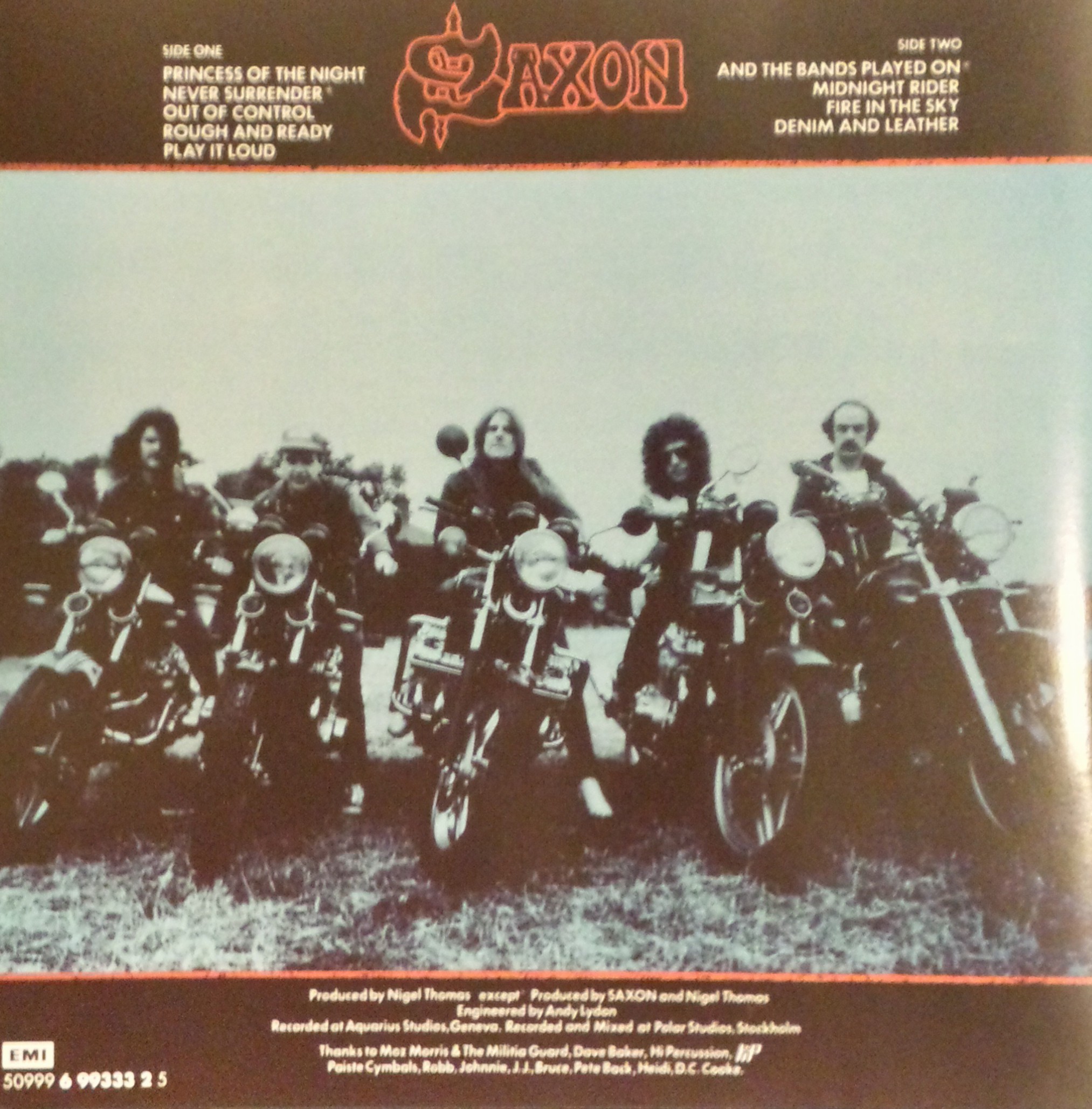
2015-01-05 20.08.20

Produced by Nigel Thomas, Denim and Leather is less abrasive than the previous albums but still sonic meat and potatoes. It’s topped and tailed with two of the greatest songs Saxon would ever produce. Continuing their penchant for offbeat lyrical subjects and songs about forms of transport, opening track Princess of the Night tells the tale of a steam train delivering mail through ice and snow. (You’ll have to suspend your disbelief at a British train actually running during such inclement weather). It’s a darting, precision rocker with a riff you can’t believe no-one thought of before and a joyously bluesy guitar solo from Paul Quinn. Closing track Denim and Leather is a genuine and charming tribute to the metal fans that put Saxon on the map, highlighting the band’s down-to-earth attitude. It’s a stomping anthem with a huge and irresistible chorus and one of the most memorable opening lines in metal history: “Where were you in ’79 when the dam began to burst?”

2015-01-05 20.17.43

After the superb opening the first side is a mixed-bag. Never Surrender is vintage Saxon and follows Princess of the Night in bruising style but the quality starts to trail off. Rough and Ready is a stodgily unconvincing hard-man boast and Play it Loud is a flat stab at a party anthem. Side 2 immediately gets the album back on track with And the Bands Played On, another of the album’s outstanding victories. Despite its musical similarity to 747 (Strangers in the Night) it has its own unique identity and appeal: a feel-good ode to the inaugural Monsters of Rock festival at Castle Donington. As with the title track, Saxon’s everyman charm works wonders: rather than singing about how amazing their own performance was, they celebrate the festival itself, the attending horde and name-check other bands on the bill. It’s got simple, memorable guitar riffs and Biff Byford’s breathless delivery is a joy “Will it rain, will it snow, will it shine? We don’t know” and it’s one of those classics you never tire of hearing. Midnight Rider continues the musical lap of honour, recounting the band’s early tours of the States with the rolling tempo and gear-changing chords perfectly capturing the excitement of the road trip. The album’s most ripping number, the apocalyptic Fire in the Sky, and the triumphant title-track finish the album on a high.

Along with Wheels of Steel and Strong Arm of the Law, Denim and Leather is often thought of as the third in Saxon’s “classic trilogy”. As is often the case with trilogies, the final part is the weakest of the three but it’s still a must-hear with some of the band’s most accomplished songwriting and the guitar duo of Graham Oliver/Paul Quinn at a lively peak. The highlights are magnificent metal classics and far outweighs any filler to elevate the album to star status. It was their second highest charting album in the UK so Saxon’s position at the head of the NWOBHM pack remained secure and just two years on from their debut release they already had a discography and a following worthy of celebration. The dam was well and truly burst.

Saxon – Strong Arm of the Law (Album Review)

Saxon - Strong Arm of the Law (1980)
Saxon – Strong Arm of the Law (1980)

Heavy metal was a big deal in 1980 and so were Saxon. Keen to capitalise on the success of Wheels Of Steel and its accompanying singles, the band were strong-armed into the studio to write and record the follow-up. It could have been a rush-job disaster but the haste gave Saxon a no-frills, street-level edge. It was just four months from the release of Wheels Of Steel and Saxon already had another all-time classic album on the shelves with 1980’s Strong Arm Of The Law.

This album does not hang about as Saxon motör through one banger after another. Heavy Metal Thunder is a blazing ode to everyone’s favourite music, To Hell And Back Again alternates melodic verses with a charging chorus and the high-flying 20,000ft is a relentless live mainstay. The excellent Hungry Years adds a bit of variety with its heavy blues shuffle, the bouncy Sixth Form Girls is a working-class vignette with more intelligent lyrics than the title would suggest and the title-track is pure classic rock with a cool sliding riff and swaggering vocals. But the album’s most classic track is saved for last as Dallas 1pm tells the tale of the JFK assassination with its tense Faith Healer-esque intro, ringing AC/DC chords and a haunting closing section that climaxes with a scorching Graham Oliver guitar solo. It’s a breath-taking conclusion to a blast of an album.

Releasing two albums this wonderful in the space of a year was an incredible feat and its hard to separate them. Wheels Of Steel has the slight edge in strength of tuneage but Strong Arm Of The Law is more pedal-to-the-metal. The label opted to name the album after its lead single but its intended title was originally “Heavy Metal Thunder”. They should have stuck with that cause that’s exactly what you get on this superb album. Fill your heads.

Saxon – Saxon (Album Review)

2014-10-09 18.38.02
Sword-waving maniac (pictured)

It would cool to be able to say Saxon’s 1979 debut album rages like the sword-waving maniac that adorns Saxon’s album sleeve, but I’d be exaggerating. Even on their first album, the Yorkshire rockers already sounded like old guys. There’s a long-in-the-tooth quality to many of Saxon’s songs which is both a good and bad thing. The album is bookended by the excellent prog-flavoured epics Frozen Rainbow and Militia Guard but is also padded out with stodgy brickie boogie like Big Teaser. But there are three tracks where the band sounds more like the marauder on the sleeve. Judgement Day and Backs To The Wall have a mix of muscle, melody and raging vocals from Biff Byford that sounds more like the real Saxon we all know and love. And biker classic Stallions Of The Highway is phenomenal: the revved-up guitars and a driving rhythm section laying down the template for the band’s future direction and the raw metal attack that would typify the soon-to-be-named New Wave Of British Heavy Metal. Saxon would deliver on the promise of this mighty tune and their next albums would have a huge impact. By comparison, the debut is more old-fashioned than New Wave but it’s still a varied and exciting listen that captures a talented band at the point the dam began to burst.