Could Have Done Better is one of just two songs that Alien left behind after their brief visit to a NWOBHM scene in the north east of England that was teeming with hairy life. It was recorded as a demo and selected by Neat Records to open their 1982 compilation EP One Take No Dubs. It’s a bit too simplistic and punky for comfort. Even with the wild guitar sound the full and strummy chords sound dated compared to the next generation riffing that many of their contemporaries were putting out. But you can instantly hear why it was picked. It’s a strong tune that instantly implants itself in your mind and it has the electricity and energy of pub-hardened performers. Even if it’s not quite the real deal, it’s the kind of fun obscurity that makes trawling the depths of the NWOBHM so rewarding.
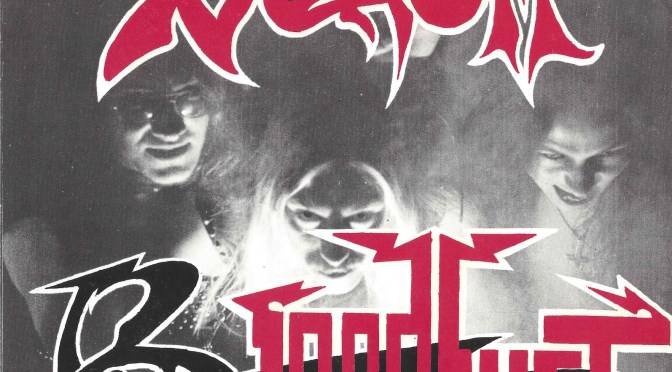
I was thumbing through the booklet that came with Venom’s MMV box set today and a quote from their frontman Cronos jumped out. “In Venom we wanted to be the devil, we wanted to be the vampires!” Well, it doesn’t get more vampiric than their essential non-album single Bloodlust. In fact, the singer refers to himself in the song as “Count Cronos, vampire supreme”. Guitarist Mantas gets a shout out too (this time simply as “Mantas”). That leaves poor drummer Abaddon as the only Venom bloodsucker to not get a mention which is probably why he tries to get everyone’s attention by playing as many of his drums as he possibly can. As often as he can. It’s a chaotic, slightly-out-of-tune mess but it is glorious! Pure punk metal battery, deranged and in your face. Come on, turn it up!
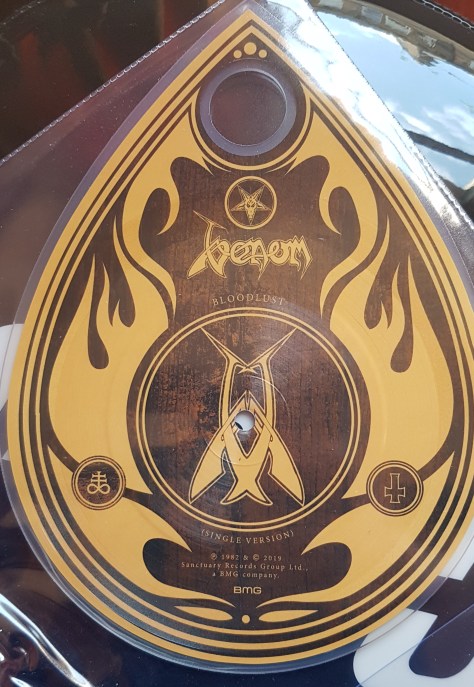
(And because one Venom box set simply isn’t enough here’s the Bloodlust picture disc that came with their 2019 box set In Nomine Satanas)
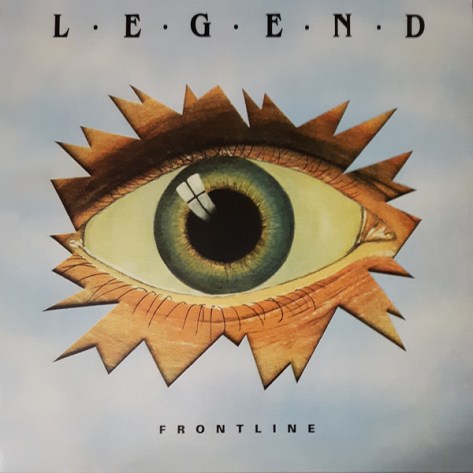
Try as they might, Jersey’s Legend just couldn’t rise above the myriads of NWOBHM bands all competing for attention during the early 80s. It didn’t help that they were stuck out in the Channel Islands, removed from the scene’s industry hotspots and gigging circuit. But their proggy brand of metal was also intropspective, dark and dour. Great stuff for fans of gloomier fare; not the kind of music that was going to stand out alongside anthems like Angel Witch, Let It Loose, and Blitzkrieg.
Legend eventually gave up the ghost but on their final release, 1982’s Frontline EP, they went out in style: taking a more direct and melodic approach. The title track and Open Up The Skies are on the slight side in terms of song structure but are packed with catchy melodies and Peter Howarth’s masterful guitar work. The latter song in particular features the kind of axe heroics that would have gone down a storm if the band had been based in LA rather than Jersey. The ballad Sabra & Chatila gets back to the darkness of their previous work but its dreamy quality and lush Bill Nelson-esque textures make it a highlight.
But best of all is the awesome Stormers Of Heaven. It’s the kind of anthemic, hook-laden rock song that would have graced any compilation of the genre. If it had appeared on any. But sadly, it remains criminally overlooked. Legend might just have been in the wrong place at the wrong time all along.
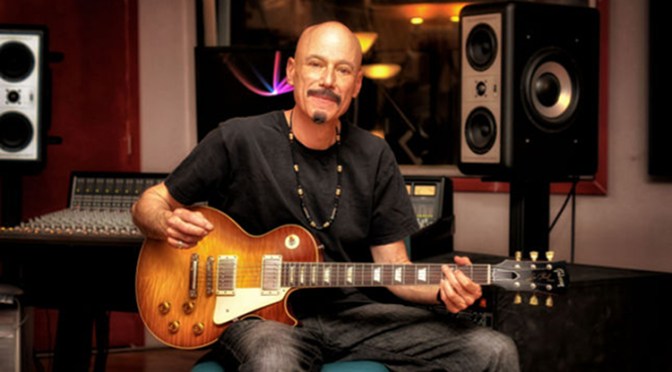
HMO salutes Bob Kulick who recently passed away, aged 70. He was a veteran session musician who played with tons of great artists and was also known as a producer of star-studded tribute albums. But my main knowledge of him comes from his stint in the short-lived Blackthorne (with vocalist Graham Bonnet) and his involvement with KISS.
Bob was almost recruited to be the original KISS guitarist in 1973 before a certain Ace Frehley staggered in and snatched the job from him. But due to Ace’s rock n’ roll unreliability and wavering levels of commitment to the band, KISS occasionally invited Bob into the studio to replace Ace. Kulick was talented enough to not just mimic Frehley’s playing but also make it sound like Ace was at the top of his game!
Nowhere To Run is my favourite KISS song Bob appeared on. And one of my favourite KISS songs full stop. One of four new songs recorded for the 1982 compilation album Killers, it’s a classic example of Paul Stanley at his rocking and romantic best. The main riff and chorus is totally anthemic, the verses are heroic and impassioned and Stanley sings at the top of his range, giving his voice a cracked sound and vibrato that is just one of my favourite sounds ever. And Bob Kulick helps put the song right over the edge into absolute bliss with his lead playing. By now he was being given more freedom to play his own way but he still attacks this song like Ace would: with tasty, cool, exciting and unforgettable guitar playing.
KISS always said “you wanted the best, and you got the best”. Well, Bob was one of the best.
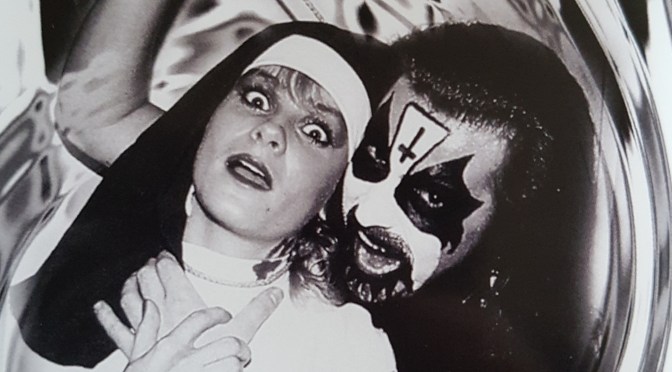
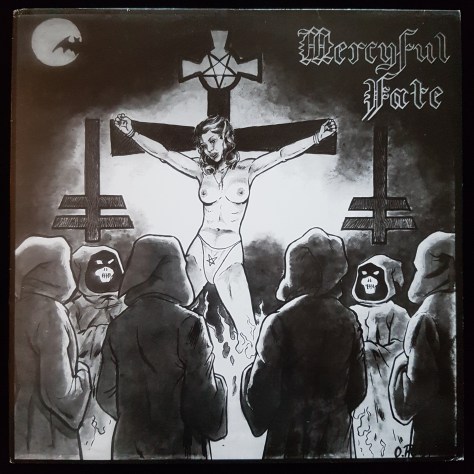
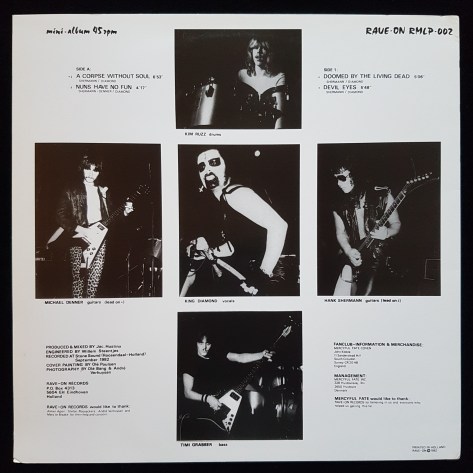
Released in 1982, Mercyful Fate’s self-titled debut is often referred to as the “Nuns Have No Fun” EP but I reckon even Mother Theresa would be hard-pressed to not get a kick out of this. The Danish band battered out a high-energy update on the pace-shifting, riff-laden approach of bands like Diamond Head and Priest but earned recognition as one of the “first wave” black metal bands by virtue of being extremely, extremely evil. While their style is fairly traditional, Hank Shermann’s riffs and solos are pure malevolence and the unique range of corpse-painted vocalist King Diamond is alternately threatening and ghostly, hitting high notes only Rob Halford can hear on Devil Eyes. A Corpse Without Soul and Doomed By The Living Dead are thrashing, twisting workouts with wonderful vocal hooks. Try not singing along with “I’m a corpse, I’m a corpse, I’m a corpse without soul”. The band’s seminal albums would be more cerebral and progressive occult offerings, but the four songs here have a more boisterous and naïve sense of blasphemy. The graveyard scares, pentagram pants, “fucking angels” and a C-word laden ode to religious sisters make Mercyful Fate a uniquely diabolical, gleeful and headbanging entry in their impressive career. None more fun.
*Buying Note: This EP is also available in its entirety as part of the compilation The Beginning, which is a must-buy too.
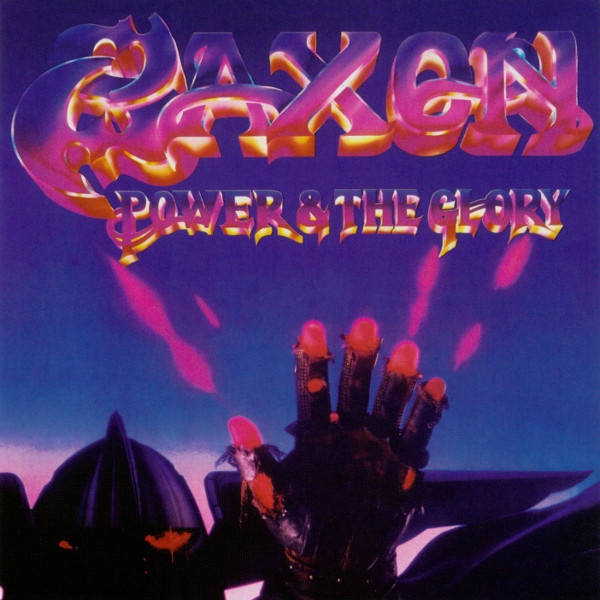
In 1982 it was time for a rethink in the Saxon camp. They had been turning their attention to America and while they slogged in support slots and club gigs Iron Maiden and Judas Priest were enjoying impressive Stateside commercial breakthroughs. Saxon’s management and label set their sights squarely on American success and the Yorkshiremen were packed off to Atlanta to record their next album, 1983’s Power & The Glory, with hopes of finessing their sound and upping their game.
While the UK fans and critics might have suspected the band would soften their edges, Power & The Glory turned out to be Saxon’s most Metallic release yet: former Kansas producer Jeff Glixman helped them achieve their best sound to date with layers of massive guitars and a charged rhythm section put straight in your face. A combination of hot-rodded British steel and radio-friendly sheen in a similar vein to Judas Priest’s hit Screaming for Vengeance album. The steelier moments are the most impressive: as Power and the Glory’s tense album-opening riff breaks into the verse it’s like you’ve been launched into battle. Biff Byford gives a rousing vocal and the lyrics are an alluring combo of proud valour and anti-war sentiment. It’s another classic jewel in Saxon’s crown. Redline’s pneumatic shuffle breaks into a classy open-road chorus and Warrior is a scything speed-metaller. The Quinn/Oliver guitar duo are in peak form throughout the album but Warrior’s berserk, slurry guitar solo from Paul Quinn is one of the band’s best.
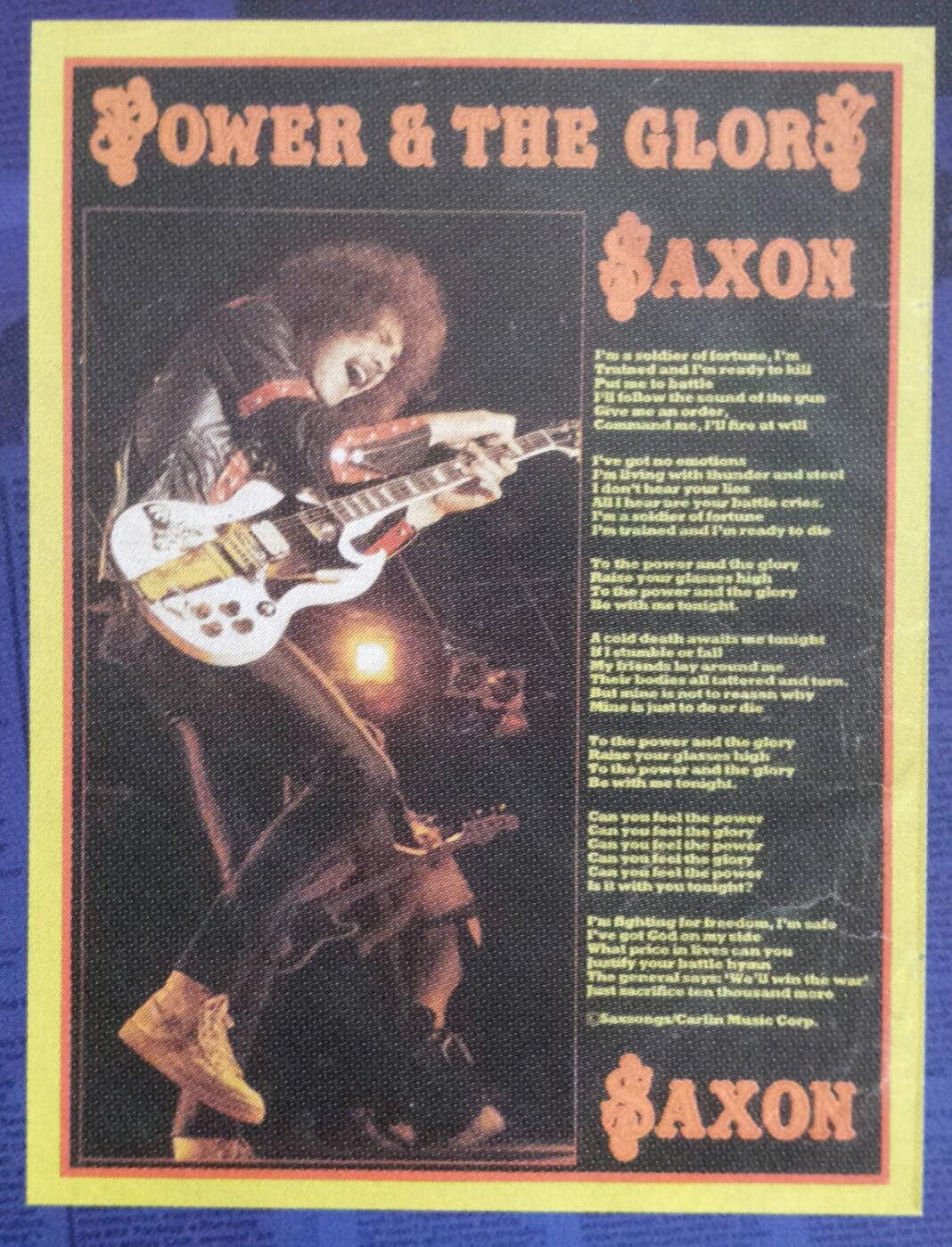
Can you feel the power? Can you read the lyrics?
The album is less sure-footed when it aims for airplay. Watching the Sky is enjoyable but stock and Nightmare is not quite the star single it wants to be (despite its coruscating guitar solo and cool harmony vocals). But even at Power & The Glory’s weakest the band thunders with conviction, enlivened by the hurricane energy of new drummer Nigel Glockler. Nowhere is this more apparent than on Side 2 opener This Town Rocks which, although it works better live, is a veritable showcase for Glockler’s combustible drumming. The icing on the album’s cake though, is the return of the debut’s prog rock elements to the band’s style. Midas Touch overcomes its daft lyrics by combining a weighty Sabbath-grade riff with Frozen Rainbow-style mellow verses for satisfying light and shade and The Eagle Has Landed closes the album with another Saxon classic: an interstellar journey with lush, spacey guitars and a hefty riff so dramatic you can almost overlook its similarity to Priest’s Victim of Changes. But despite the familiar riff it’s still one of Saxon’s more creative tracks and a great album closer.
My copy (straight from the HMO Vault)
Power & The Glory was Saxon’s purest heavy metal release to date: there’s little of the older Saxon’s blues and boogie here. While fans might miss the knockabout, rowdy style of albums like Wheels of Steel the progression is understandable following the slight diminishing returns of previous album Denim and Leather. It’s a more fully-realised and consistent album with less Rough and Ready-style throwaway filler but it doesn’t quite rack up the same quota of classics as previous records. Sadly, as far as their invasion of the US went: Saxon came, Saxon saw, but Saxon failed to conquer. Even in the UK they found their commercial grip loosening. But metal fans whose taste runs to the epic and the martial (and don’t mind a bit of drivetime pomp) will find that this album is an absolute blast. The title-track alone makes it worth the price of entry and no metal collection can be complete without it. While often overlooked in favour of the preceding “classic trilogy” it truthfully forms the last in a quadrilogy. This is a lively and exciting record that fulfils the promise of its title. You can feel the power and, even though Saxon probably weren’t getting as much of it as they’d like, you can definitely feel the glory. What more do you want from a metal album?
The “classic trilogy” of Saxon albums that culminated with Denim and Leather had been a commercial and critical success. The band was poised for the big-time and a live album was proposed as just the thing to launch them to the level of the stupidly successful. But in order to do a live album, you need a tour and with only two days to go before the opening show of their Denim and Leather trek of the UK and Europe (with no less than Ozzy’s Blizzard supporting), their drummer Pete Gill was out of the band due to a hand injury. It was a disaster on the eve of such a critical and massive tour.
Enter Nigel Glockler: a friend of the band’s manager David Poxon. Nigel was drumming for Toyah at that point but was a hard-hitter with prog chops and a love of metal. Remarkably, in less than two days he was able to learn and perform Saxon’s entire 19-song set and kept the show on the road until Gill recovered, even performing at a show he had originally bought a ticket to see!* By the time Gill was able to return, Saxon had decided to hold on to Glockler as their full-time tub-thumper. So, as if learning 19 songs in two days wasn’t enough, Nigel would be appearing on the band’s hotly-anticipated first live album. Talk about being thrown in at the deep end.
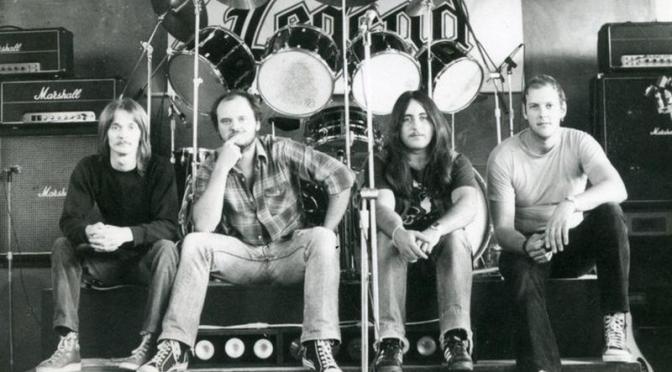
(L to R) Graham Oliver, Steve Dawson, Biff Byford, Nigel Glockler and Paul Quinn
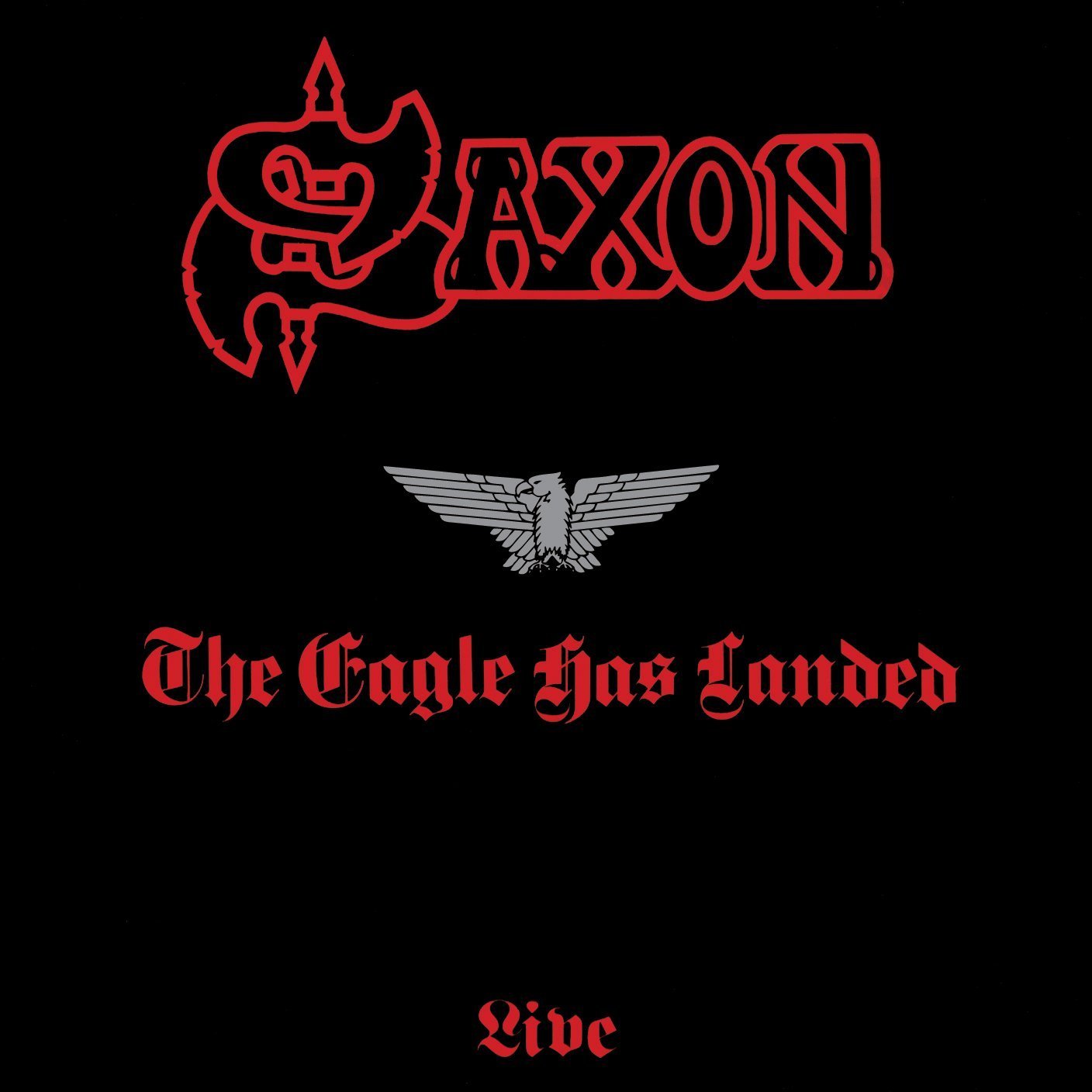
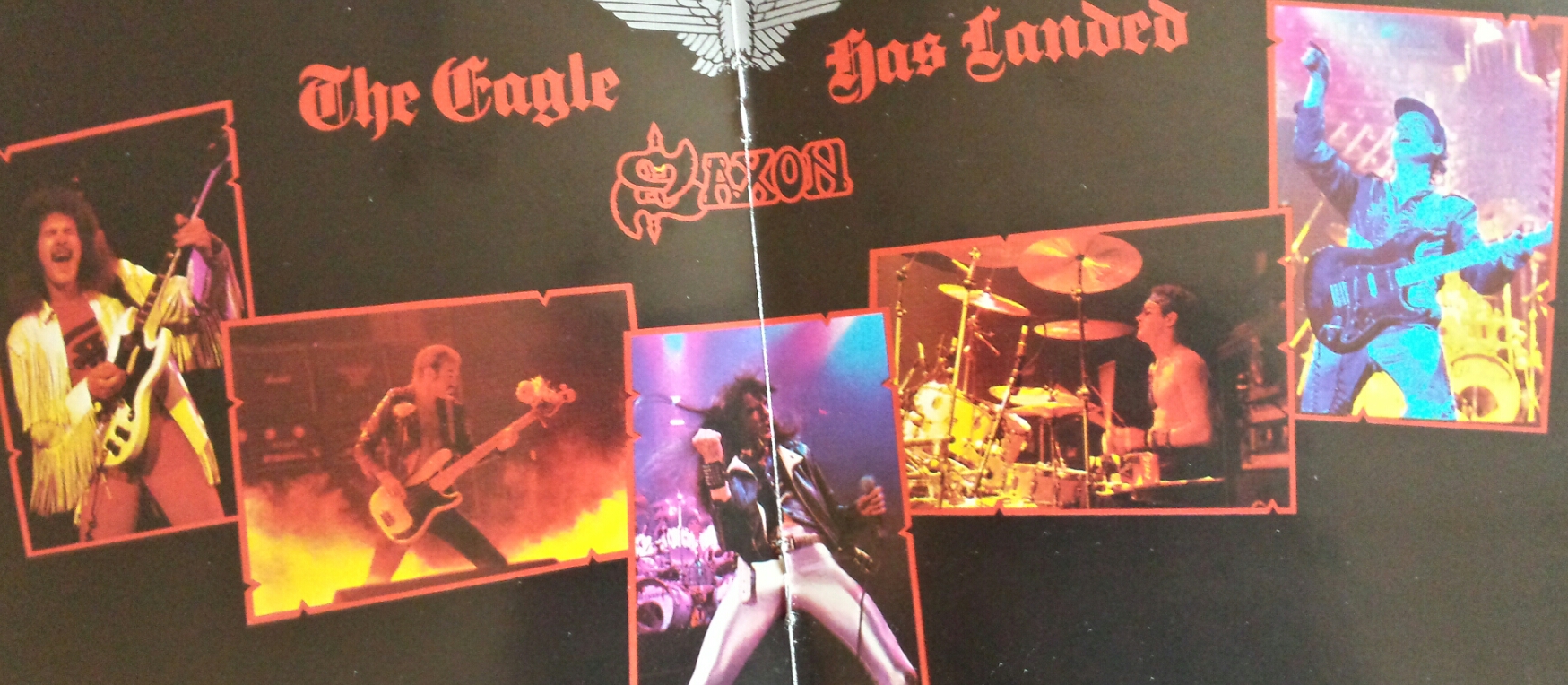
19,320 teabags later the Denim and Leather tour was over and The Eagle Has Landed live album hit the shelves in May 1982. It captures the sweaty, beery atmosphere of a NWOBHM-era gig. Saxon sound enthusiastic, tireless and tight. Each member is at the top of their game. Biff sings with charismatic energy and throws in some choice banter (“I wanna see people dying from exhaustion”) and the chemistry of the Oliver/Quinn guitar duo is palpable with the choppy, jousting guitars panned to each side. The rhythm section steals the show though: Glockler’s expressive, precision drumming charges the music with a fresh dynamism and, with his forceful, driving bass playing, Steve Dawson proves to be the pumping heart and soul of the band, especially on the faster numbers like Heavy Metal Thunder.
Saxon’s surfeit of brilliant material easily justified a lavish double-LP set but, unfortunately, Saxon’s label Carrere skimped and whittled it down to a miserly single album. Classic songs like And the Bands Played On, Denim and Leather, Frozen Rainbow and Dallas 1pm are inexplicably missing.** It’s a missed opportunity but the tracks we do get are hardly filler. The first side is absolutely top-drawer, opening with three of Saxon’s transport tunes: Motorcycle Man, 747(Strangers in the Night) and the definitive version of Princess of the Night. Side 2 falters slightly with some weaker song choices in 20,000ft and Never Surrender but Wheels of Steel is a victorious joy with a chummy singalong led by the charming Byford and the album closes explosively as Fire In the Sky and Machine Gun fly by in a furious blur culminating in wild guitar pyro and double-bass drumming.
My copy!
2006 Reissue Tracklising
The Eagle Has Landed manages to be essential and frustrating all at once. The performances are stellar, many of them definitive and it’s a great introduction to the band (I can personally vouch for that). It continued Saxon’s commendable run of hits in Europe but the omission of vital tracks stopped it being the career-boosting milestone or the all-time classic it should have been. But, nevertheless, it’s a street-level, no-holds barred barrage of an album that atmospherically and honestly captures a gritty and exciting time in metal history. And that’s worth the price of entry alone. It also marks the end of an era for Saxon: by the time The Eagle Has Landed hit the shelves a fellow British metal band had stolen their thunder, taking the NWOBHM to a massively successful and chart-topping conclusion. Saxon were no longer the scene leaders: their number was up. The number was six hundred and sixty six.
*Nigel has never received a refund for his ticket.
**This wasted opportunity has been satisfyingly rectified with the 2006 CD Reissue which adds six recordings from the era as bonus tracks. Still no Denim and Leather though.




 HEAVY METAL OVERLOAD