Category Archives: Album Reviews

Capsule reviews of albums

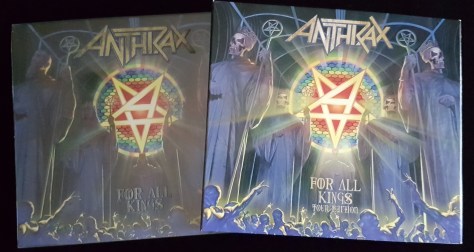
Anthrax – For All Kings (Album Review)

Some albums are so OK you have to buy them twice.

Funnily enough, after reading an article about Anthrax’s Scott Ian (reportedly) behaving like an arsehole, I ended up going on a big Anthrax kick and buying another copy of their last album For All Kings. Goes to show all publicity is good publicity!

I wasn’t all that impressed by For All Kings when it was released back in 2016 but after hearing some of the songs live on the recent Kings Among Scotland release, I felt like revisiting it.  And ended up not only listening to it again but enjoying it enough to add the ‘Tour Edition’ to my collection (for its extra disc of demo versions). Some great tracks here like You Gotta Believe, Suzerain, Evil Twin and the title track. I’d prefer the sound to have more attack and I find songs like Breathing Lightning and This Battle Chose Us a bit too slick for comfort but, judged on its own merits as a We’ve Come For You All kinda album, it’s a solid and memorable release. Just don’t ask Scott Ian to sign it for you.

Virgin Steele – Nocturnes Of Hellfire & Damnation (Album Review)

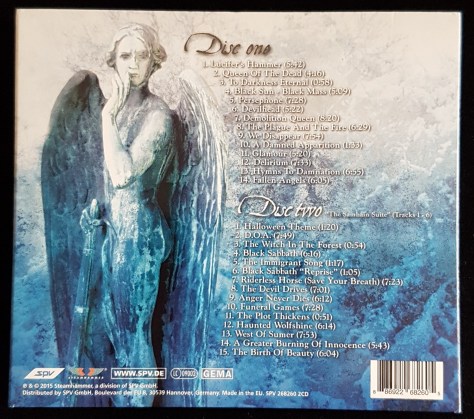
Virgin Steele – Nocturnes Of Hellfire & Damnation (2015)

I’m not a big fan of the most recent Virgin Steele album Nocturnes Of Hellfire & Damnation but I still occasionally hanker for it. The opener Lucifer’s Hammer is classic chest-beating metal and Persephone is a grand retelling of the Greek myth that ranks up with the band’s best material. And do any of you remember the mysteriously anonymous 80s speed metal band Exorcist? Well, it turns out they were Virgin Steele all along and on this album they finally own up to it, reworking two Exorcist songs Queen Of The Dead and Black Mass in power metal fashion. It’s great stuff and a lot more rifftastic than the preceding VS album The Black Light Bacchanalia. But that album had a romantic, overblown grandiosity that proved fascinating and rewarding and Nocturnes Of Hellfire & Damnation has none of that richness or consistency. The shifts from the Exorcist tracks to piano balladry like Hymns To Damnation to bizarre raunch metal like Demolition Queen and Glamour make for a disjointed listen and the overlong arrangements and dark, moody atmosphere means promising tracks like Delirium and Devilhead come across as dreary. If you’re a Virgin Steele acolyte like me there are just enough bright spots here to make it worth your time but everyone else will find Nocturnes a long, colourless night that will most likely send them to sleep.

Deluxe Edition with bonus CD

Blue Öyster Cult – Mirrors (Album Review)

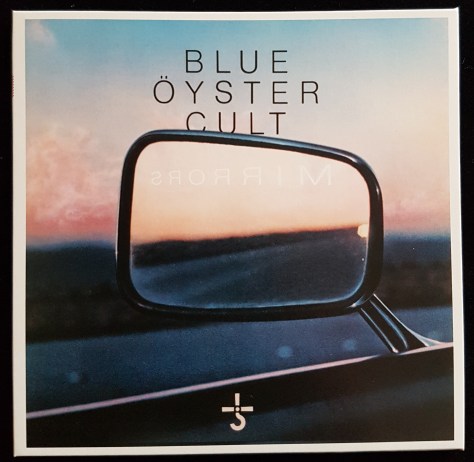
Blue Öyster Cult – Mirrors (1979)

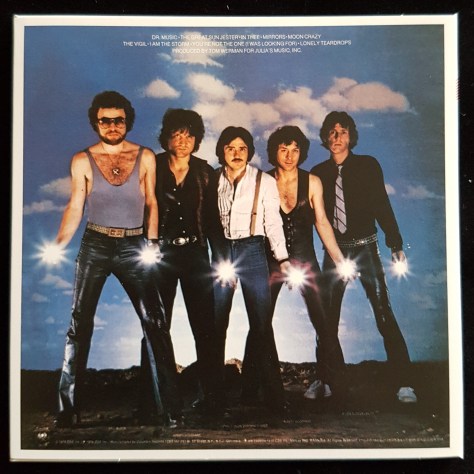
Blue Öyster Cult had hit it big with 1976’s Agents Of Fortune but they were starting to sound like they were going through the motions by the time of 1979’s Mirrors. The slick Tom Werman production and generic songwriting displays little of the band’s usual esoteric adventurousness. The pastiche Moon Crazy should never have seen the light of day and the title-track has some woeful lyrics: “Pretty girls have a love affair/with their eyes and their shining hair”. The AOR approach mostly results in decent but forgettable tracks like Lonely Teardrops but does at least manage to offer up one Cult classic in the wistfully pretty single In Thee. The album is on stronger footing when the band finally starts to sound like the BÖC of old on The Vigil and I Am The Storm, a great cosmic pairing that livens up the second half. Definitely a lesser effort compared to its predecessors but Mirrors has just enough going for it to be worth a look.

Pretty boys have a love affair, with their eyes and their shining… hands?

Pestilence – Malleus Maleficarum (Album Review)

Pestilence are now known as death metal masters but on their 1988 debut album the Dutchmen were still in the process of pushing the Kreator-style thrash of their demos to increasingly aggressive extremes. The crunchy riffs, violent tempos, moshing breakdowns and vocal phrasing are pure thrash but the sickening bludgeon of the delivery and the Schuldiner-esque bark of Martin Van Drunen put the band on a collision course with the emergent death metal of the era. The lyrics aren’t much of a read but obsessions with science, atrocity and surgery also push things deathward (“bifurcation of the tumour”) and provide great vocal hooks for Van Drunen’s authoritative vocals in tracks like Parricide and Chemotherapy. Although they had yet to mature stylistically, Pestilence’s formidable songwriting and precision brutality makes this a must for fans of death and thrash. It’s named after the infamous “Hammer Of The Witches” treatise, yet Malleus Maleficarum is so magical from front to back that you could well suspect this band of sorcery.

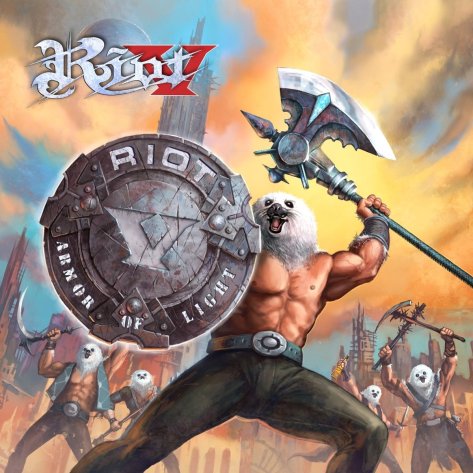
Riot V – Armor Of Light (Album Review)

Riot V – Armor Of Light (2018)

Riot’s history as a band is the stuff of metal legend, thanks to decades of perseverance through bad breaks and tragedy. But musically I’ve been largely unfamiliar with the band’s career beyond the early Guy Speranza-fronted albums of the late 70s/early 80s. With the passing of founding guitarist Mark Reale in 2012 there is now no-one left from those early days. But the US band, respectfully renamed Riot V due to Reale’s passing, have vowed to carry on his good work.

And on their latest album Armor Of Light they do a pretty good job of it. Like a more polished version of 1988’s Thundersteel, it’s upbeat melodic power metal akin to Gamma Ray or Dragonforce. Todd Michael Hall’s soaring Kiske-esque vocals deliver some instantly memorable choruses with high-flying aplomb. Songs like Victory, End Of The World, Heart Of A Lion and Angel’s Thunder, Devil’s Reign sound like the sort of warring, singalong stuff that will go over a storm at festivals. The guitar soloing is superb too: jousting, harmonized Helloween-type stuff.

But there isn’t quite enough killer riffing here, and it all starts to go through the motions in the second half. The band is too content to chug along with the double-kicks, and many potentially interesting parts are drowned out by the relentless drums. But there’s good pure metal fun to be had here. The first side is a blast, I guarantee you a good two or three songs that will instantly embed in your brain and warrant further listens. A solid effort rather than a great one; but if the goal is to uphold the legacy of Reale and Riot then it achieves its aim. I definitely want to catch up and hear more.

Ghost – Prequelle (Album Review)

Ghost – Prequelle Ltd. Edition with bonus tracks and 3D cover thing

Hard to believe it’s already eight years since Ghost’s debut album Opus Eponymous. Time flies when you’re having satanic fun. And on the plague, death and apocalypse themed Prequelle, Ghost are still all about fun. Like on its excellent predecessor 2015’s Meliora, Ghost’s fourth album is full of blissfully catchy theatrical rock that laces its spiritually uplifting hooks with diabolical twists. But it doesn’t do much that Meliora didn’t already do better. Two flat instrumentals pad out the running time, Pro Memoria is beyond Muppety and the fiendish lyrical slants aren’t as keen or effective (replacing “be with” with “bewitch” isn’t enough to add depth to the ABBA-tastic Danse Macabre). But all gripes are rendered churlish when faced with the excellence of tracks like the glam metal Rats, the passionately defiant See The Light and majestically melodic Witch Image. Prequelle might be a weak facsimile of its predecessor but there’s still enough devilish fun in its diminishing returns to make it worthy of devotion.

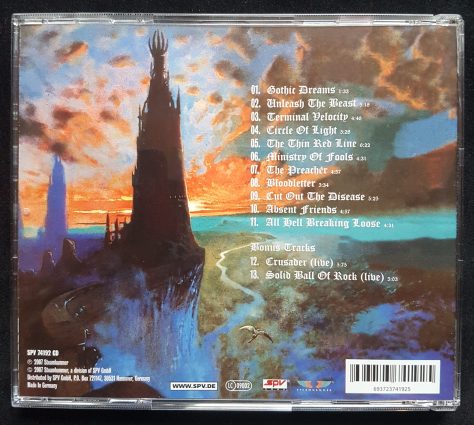
Saxon – Unleash The Beast (Album Review)

Saxon – Unleash The Beast (1997)

Unleash The Beast, Saxon’s thirteenth studio album and the first to feature the band’s current line-up, finds the band dialling up the kind of heaviness previously hinted at on older tracks like Altar Of The Gods, Battle Cry and Dogs Of War.

As usual for Saxon, this 1997 album’s big classic is the title-track: a brilliant thrasher with a chorus hewn from pure gold. But the harder edge comes at the expense of the band’s usual chemistry and charisma. The serious mood fits songs like the dark, grooving Cut Out The Disease and the moody, slow-burner The Preacher. But songs like Ministry Of Fools and The Thin Red Line fall strangely flat when they should be uplifting. The driving Terminal Velocity, uncannily catchy Circle Of Light and vigorously rowdy All Hell’s Breaking Loose inject much-needed sparks of excitement but can’t quite lift the album into the classic zone.

Its po-faced proficiency makes it one to appreciate rather than love but Saxon’s consistency and focus impresses and this was a crucial album for them. As well as unleashing the beast, they ushered in a new era, finding a style and purpose that would restore their credibility and serve them well for years to come. The story of modern Saxon starts here.

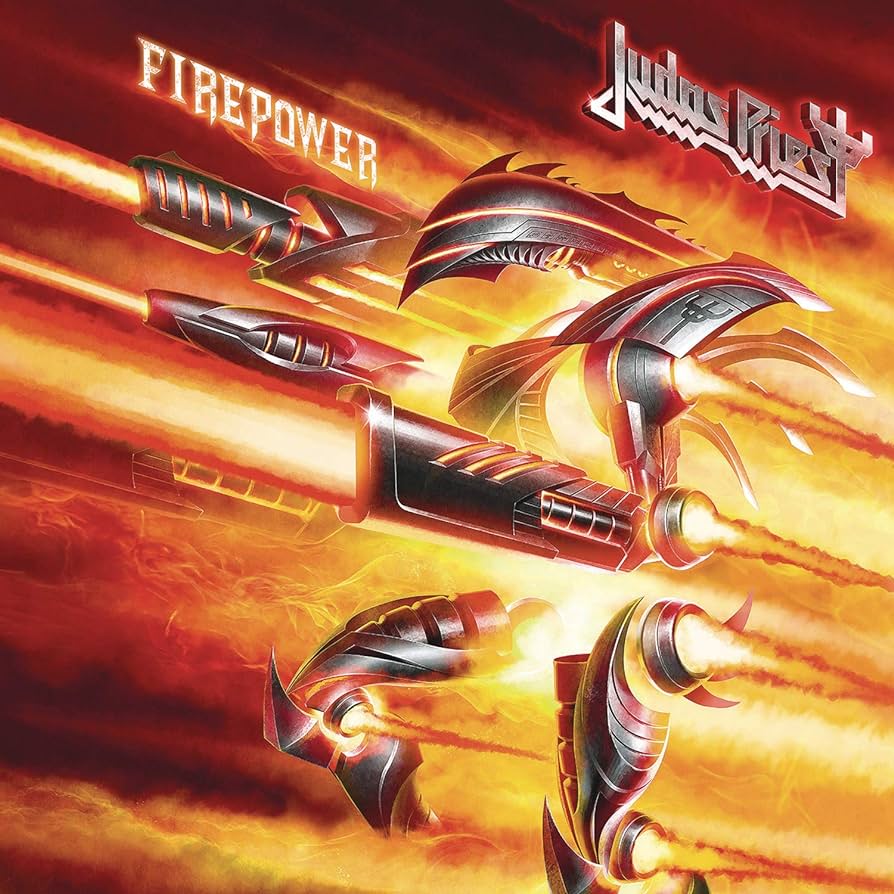
Judas Priest – Firepower (Album Review)

Judas Priest – Firepower (Columbia – 2018)

With Black Sabbath calling it a day in 2017, Judas Priest are now one of the oldest metal bands still on the go. They’re one of the genre’s most definitive, influential and original acts. But they’ve also been dogged by consistency problems for decades, making any new release equal parts exciting and fraught. While dodgy production and some weak songwriting hampered 2014’s Redeemer Of Souls it was promising enough to leave me hopeful that better was yet to come. And so it has proved, these old dudes are sounding pretty potent on their latest album Firepower.

The most obvious improvement is the album’s crisp, classic production, but the band’s performance is more assured too: the solos build excitement and Rob Halford is on commanding vocal form. The excellent opening title track and Lightning Strike immediately give this album the edge over its predecessor.

But the songwriting is still not totally consistent. Being more of a fan of melodic Priest like Desert Plains, I prefer the more anthemic tracks like Rising From Ruins and Never The Heroes and find the more hammering Painkiller-type tracks like Necromancer and Flamethrower too clunky. But all the songs have their moments and the varied tempo and style keeps the album engaging. And the band aren’t too long in the tooth to progress either: the doom-laden Children Of The Sun, malevolent Spectre and the raunchy Lone Wolf adding new flavours to the band’s style.

Firepower doesn’t quite have the audacity or vitality to put it in the top tier of the band’s discography but it is their best and most cohesive release in aeons. At a time when many older acts are bowing out or resting on their laurels, Priest’s impressive dedication to forging ahead keeps them at the forefront of the genre. Still metal gods, still defenders of the faith, still delivering the goods.

KISS – KISS (Album Review)

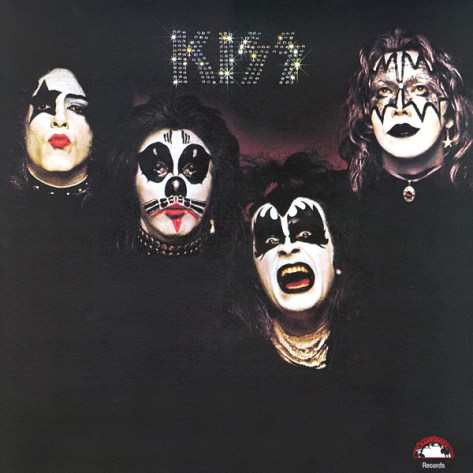
Can you guess which of these guys got someone else to do their makeup?

KISS, the band’s self-titled debut album from 1974, is loaded with more classics than any other studio album they would ever put out. The masked New York rockers were already making a reputation as an explosive live act and when you look at the tracks featured here, Strutter, Firehouse, Cold Gin, Deuce, Black Diamond and 100,000 Years, it’s no wonder few bands dared take them out as support act.

But it’s not all cut from that timeless cloth. The glam stomp single Kissin’ Time and the instrumental Love Theme From KISS don’t rank among the band’s better moments. And the young musicians were unable to capture the power and excitement of their live shows in the studio. KISS at their best put a spring in your step like no other band but the production and performance here is too tentative to quite achieve that.

KISS would eventually deliver definitive renditions of these songs on their mega-selling 1975 album Alive! But there’s a reason so many of that live album’s songs were drawn from their debut. KISS is a must-hear for fans of street-level, meat and potatoes hard rock. A flawed classic that planted the seeds of success with its pop-savvy mix of Humble Pie boogie, tasty heavy riffs and an array of songs that would become the stuff of legend.

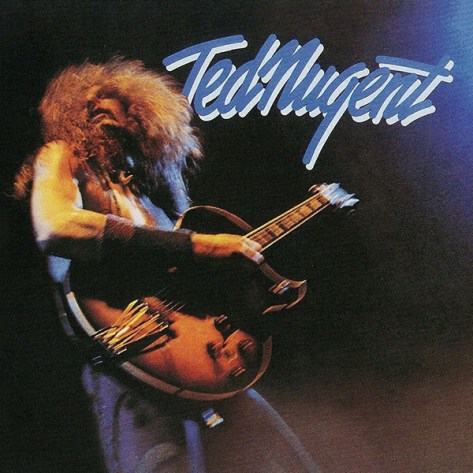
Ted Nugent – Ted Nugent (Album Review)

Ted Nugent – Ted Nugent (1975)

He’s a phenomenally exciting guitar player and intense live performer but there are a disconcerting number of patchy studio albums to wade through in “Terrible Ted” Nugent’s discography. This 1975 album, his solo debut after ditching the Amboy Dukes band moniker, is as close to filler-free studio greatness as he ever got. Outside of a compilation or live album, this is the most classic Nuge songs that you’re going to find in one place.

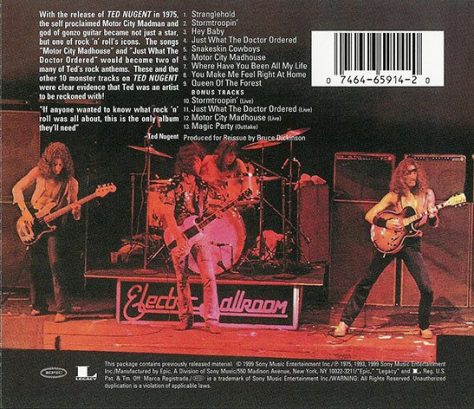
And what classics! Stranglehold is an audacious and timeless opener: a moody, psychedelic workout that brilliantly showcases the excellent band, Nugent’s guitar chops and that superbly raunchy Gibson Byrdland tone. Motor City Madhouse is a gonzo rager and the stunning hard rockers Just What The Doctor Ordered and Stormtroopin’ are two of my all-time faves. The lesser-known Hey Baby and Snakeskin Cowboys are catchy, swaggering rock n’ rollers that hold their own among the hits.

But the patchy criticism still applies and Ted doesn’t always hit the target here, running out of steam with a brace of comparatively forgettable closing tracks. But this is still the most consistently brilliant studio album of his career and a great place for newbies to start. Like the “murder capital of the world” referenced in Motor City Madhouse, Ted Nugent is loaded with killers.

Great reissue with quality bonus tracks