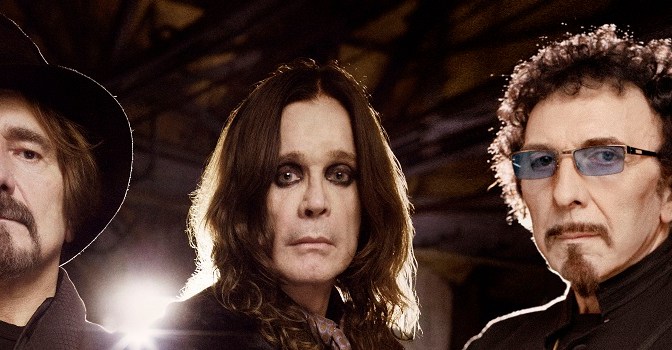
If you’re going to trudge through a slow doomfest you need quality riffs and lyrics, depth of feeling and strong atmosphere and Black Sabbath’s God Is Dead? falls flat on all fronts. It goes on way too long, the brickwalled production has zero atmosphere, the vocals are flat and the lyrics are either boring or clumsy light/night, doom/tomb stuff. The chorus is pretty good, especially the second time round where it is extended out in a moment of rousing emotion. But the band don’t capitalise on this flash of brilliance and the song continues with a series of unremarkable riffs and an unusually uninspired solo from Tony Iommi. Not sure if God has snuffed it or not but this song is disappointingly bereft of life.
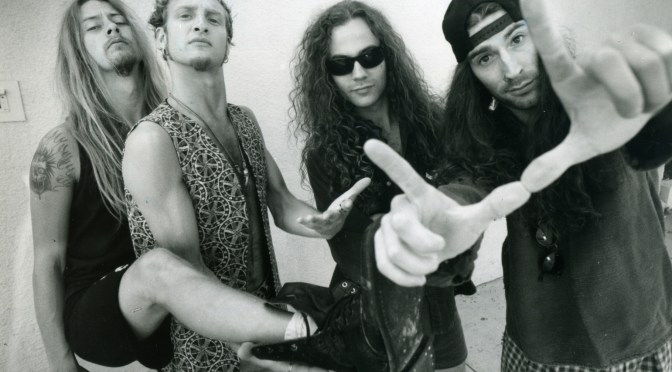
Alice In Chains’ 1992 album Dirt is widely associated with heroin addiction and features many great songs ridden with anguish, turmoil and death. But there are actually only three songs on it that specifically reference drug use. And you’re not getting any points for guessing that God Smack is one of them. It’s got the woozy, sick Layne Staley vocals and an upbeat wah-drenched chorus but musically it’s one of the album’s least remarkable tracks. However, the title and its unflinching portrayal of someone for whom heroin has become everything, gives it a thematic and lyrical importance that makes it a key deep cut on the album even if it’s no great shakes when listened to in isolation.
In the early 90s, it seemed like everyone and their dog was recording covers of classic KISS. And death metal pioneers Death were no exception, taking a break from the complex technicality of their 1991 Human album to throw down a cover of God Of Thunder. Originally used as a Japanese bonus track, the cover was presumably intended more as a bit of fun than an important artistic statement as the band don’t do anything radical with the track. Outside of Chuck Schuldiner’s tortured vocals, the relentless double-bass drums and a flashier guitar solo, it’s all pretty faithful to the version on KISS’ Destroyer album. What I find interesting is that, despite the extreme metal growls and drumming, the KISS version remains darker, heavier and cooler. So, although it’s a fun listen in its own right, it also does a good job of reminding you just how powerful KISS were. I guess all those bands were covering their stuff for a reason.
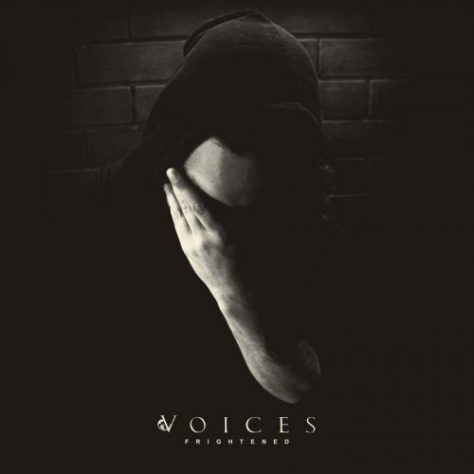
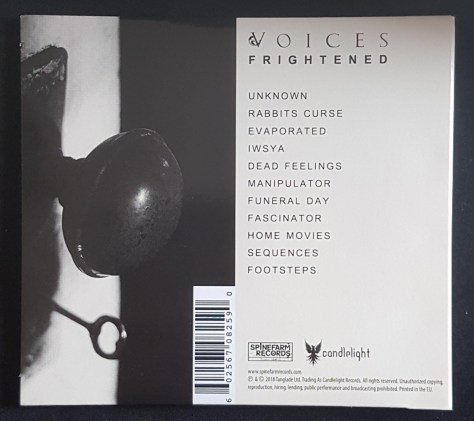
Following their 2014 masterpiece London was bound to be a daunting prospect but, despite what the title might suggest, with 2018’s Frightened Voices responded fearlessly. The UK devils cannily rising to the challenge by simultaneously taking their music in a brave new direction while retaining their core character. The viciousness of their debut and the neurotic extremity of London toned down to a dark and gothic mix of post-metal, prog and pop. Songs like Unknown,IWSYA and the wonderful closing track Footsteps have a dreamy Anathema-like quality and their music breathes like never before with a diverse range of tones and instruments. But the band’s patented blasting urbanity remains. The primal Dead Feelings and marauding Manipulator have all the nightmarish obsession, paranioa and eroticism of previous releases. The album’s experimentation brings some inevitable mis-steps: there are some hollow lyrics, occasional forays into shouty metalcore and the off-kilter Rabbit’s Curse places a hurdle in the album’s early stages. But the restless hustle and bustle of the band’s arrangements mean even the tracks that misfire have moments of wonder. Take Funeral Day‘s shift from grimy groove to shimmering mellotron beauty. Frightened is a bold and captivating new chapter in the band’s story but also feels like it’s leading somewhere… Voices investigating new and dark back-alleys that will very likely lead to another masterpiece.
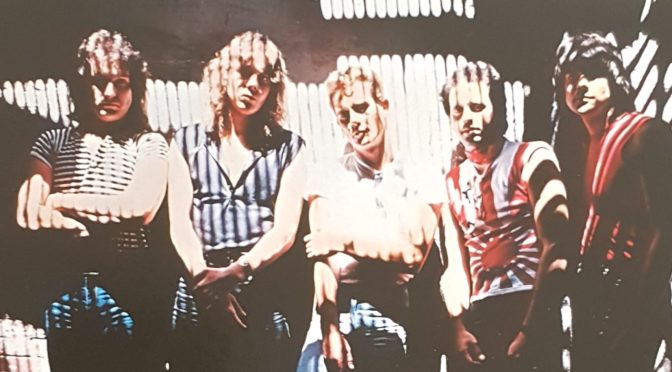
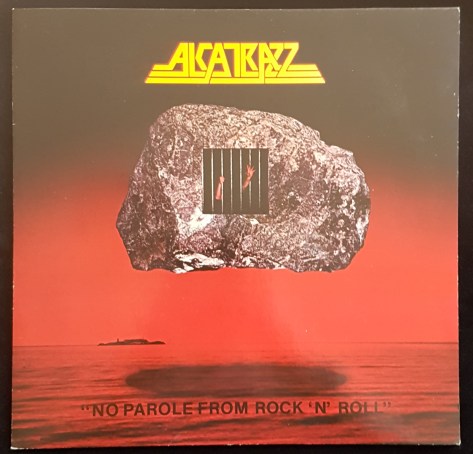
Following short-lived but inspired stints with both the volatile Ritchie Blackmore and the mad axeman Michael Schenker, vocalist Graham Bonnet decided to form his own band, Alcatrazz, with hot, upcoming guitarist… Yngwie M. F. Malmsteen. Talk about “out of the frying pan and into the fire”. Unsurprisingly this pairing proved just as short-lived, ending in a blaze of egos and fisticuffs, but it also proved equally inspired with both musicians delivering at their peak on Alcatrazz’s superb debut album, 1983’s No Parole From Rock N’ Roll.
Alcatrazz was conceived as a Rainbow-style outfit. And with songs like the parpy AOR opener Island In The Sun and the Spotlight Kid rerun Jet To Jet, their debut definitely fits the bill. But there’s something more sophisticated at work here. Yngwie’s neo-classical riffing adds an intricate, frosty edge and his soloing on tracks like Kree Nakoorie is impossibly exciting. And Bonnet responds with a forceful and acrobatic vocal performance that thrills on tracks like General Hospital as well as contributing to the album’s cerebral edge with intelligent, quirky lyrics on tracks like the phenomenal Hiroshima Mon Amour (“the fireball that shamed the sun”). The languid Big Foot drags a bit and the bluesy Suffer Me is a little anti-climatic but there is no escaping the fact that No Parole From Rock N’ Roll is a dazzling, state-of-the-art, riot in the dungeon.
In 1989 the BBC documentary series Arena ran an hour-long episode called Heavy Metal. It was a huge deal for metal fans. Videotaped, rewatched repeatedly and quoted endlessly… “whooaa dugga dugga dugga!” There is a fantastic scene filmed in Nottingham’s Rock City nightclub where a circle of guys throw some unforgettable shapes to an amazingly hypnotic riff. Uncredited in the documentary, the source of this riff remained a mystery until years later when I heard the song Brain Death by Nuclear Assault.
Brain Death would be a pretty standard speed metal bash if it wasn’t for that riff kicking in at the 3.30min mark. There’s a quiet opening that builds up some nice dread and the chorus is instantly memorable but this song is all about the Nottingham Rock City mosh. A lot of bands might just play that kind of slower breakdown briefly before picking up the pace or launching into a guitar solo but Nuclear Assault ride it out for nearly 3 minutes, giving it that hypnotic intensity. And it gives you plenty of time to do some serious air guitar damage too. I love it and by the looks of the Nottingham Rock City footage, I’m not the only one. Whoaa dugga dugga dugga!
They were an unknown band at the time but that didn’t stop Manowar from securing the services of screen legend Orson Welles who (clearly recognising that he was in the midst of fellow geniuses) agreed to record narration for their debut album: 1982’s Battle Hymns. His narration was used on that album’s Dark Avenger but in the same session Welles also recorded two more pieces: a cool stage intro (that the band has used ever since) and narration for a strange and glorious second song, Defender.
Mostly spoken word set to music, it’s the kind of thing other bands would have used to flesh out an album. But Manowar are not “other bands” so Defender was released as a non-album single in 1983. Not the kind of stuff to tear up the charts but a great introduction to Manowar’s barbarian muscle metal. Windswept Conan tones in the mellow intro, Welles’ baritone gravitas, that killer “ride like the wind” chorus and goosebumps galore when vocalist Eric Adams finally chips in.
I slightly prefer the more direct, streamlined Fighting The World version from 1987 (which used the same narration but re-recorded and rearranged the rest of the song) but the original has its own appeal. It almost sounds like a metallized take on classic Kansas with Adams’ soaring vocals and Ross The Boss’ bluesier guitar solo. And best of all it has a longer, more epic atmosphere with the “Tree Of Woe” vibe that characterized the band’s early work. It’s a must-hear and a must-have rarity for any Manowar fan. This is the music God has sent.
Cheap Trick – Bang Zoom Crazy… Hello (2016 Japanese Edition w/ 2 Bonus Tracks)
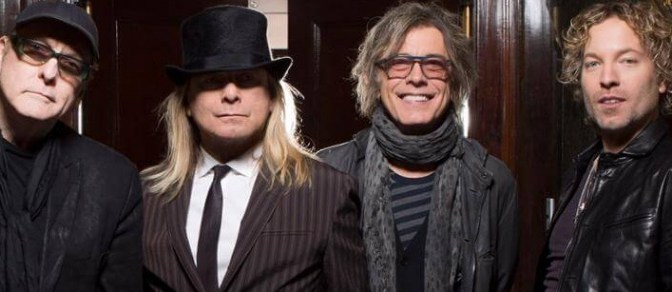
The acrimonious split with original drummer Bun E. Carlos in 2010 was a disappointingly sour turn of events in the 27-year saga of Cheap Trick. But on 2016’s Bang Zoom Crazy… Hello, their first release without him, his absence isn’t felt too keenly. The album rocks and pops with a warm, vintage sound and Robin Zander’s wonderful voice seems impervious to the passage of time. But the chemistry is undeniably altered. Their old biting quirkiness is missing and this is fairly slick stuff, like a souped-up version of the poppier Lap Of Luxury/Busted era, with by-the-numbers lyrics and happy strumming in place of decent riffs. That said, it’s a fun album with a perky spirit and, although the ideas gradually dry up as the album progresses, there are a few songs that fans will enjoy: driving opener Heart On The Line, the sparkling No Direction Home, glammy stomper Blood Red Lips and jangly ballad Sing My Blues Away. But the album’s saving grace, and the song that keeps me coming back for more, is the ghostly When I Wake Up Tomorrow. Overall, it’s not destined to go down in history as a classic, but its definitely one of their more enjoyable modern releases. And the band do sound like they’re having a good time. They don’t seem to miss Bun E., and this is solid enough that you probably won’t either. But he must have been the guy coming up with the album titles because Bang Zoom Crazy… Hello?
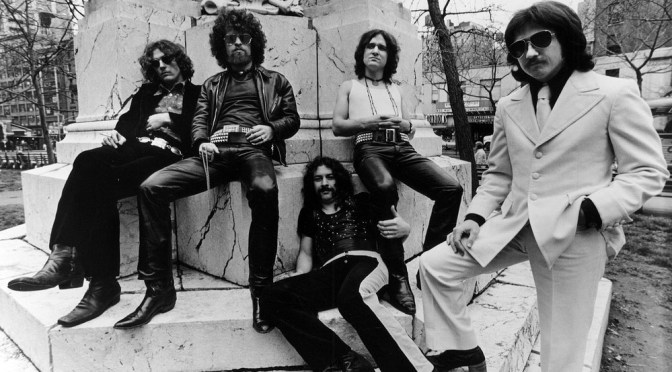
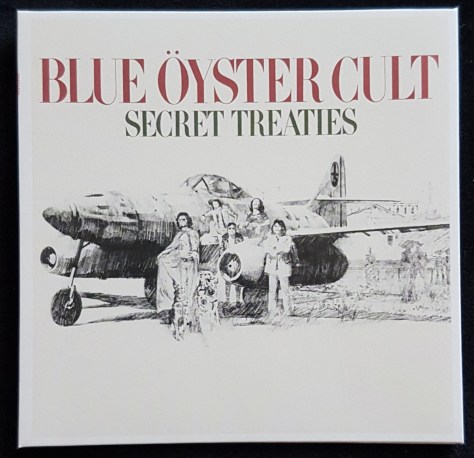
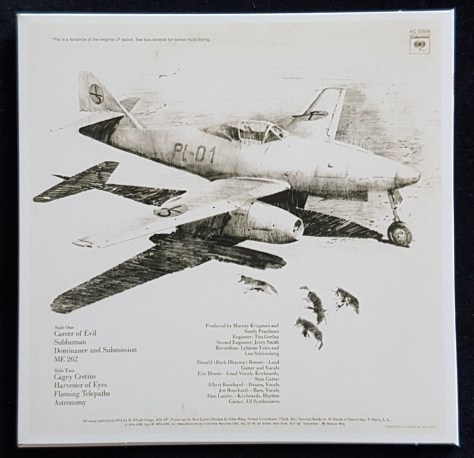
Secret Treaties is the last and best of the so-called “black-and-white” trilogy of albums that kicked off Blue Öyster Cult’s career: a trio of mysterious, monochrome-covered rock albums that peaked with this 1974 release. It’s dark, esoteric and also a bit of a hoot. It’s an album of parodic garage-rock horror reminiscent of Alice Cooper’s Killer, full of psychedelic monster mashes like Career Of Evil, the oddly cute Cagey Cretins and the seismic, psychotic Harvester Of Eyes. And those aren’t even the best tracks. Overdriven boogie rocker ME262 puts you in the pilot’s seat of a Junkers Jumo 004 (“Hitler’s on the phone from Berlin, he’s gonna make you a star”) and Dominance And Submission has a superb, swinging groove, an unforgettable climax (“radios appear”) and some creepy interjections from Charles The Grinning Boy… “it will be time”. But the album truly peaks with its closing tracks, Flaming Telepaths and Astronomy. Both are grand, magnificent masterpieces with affecting muscianship and beautifully cryptic imagery. Astronomy in particular is a complete head-scratcher. I’d love to know what “the nexus of the crisis, the origin of storms” really means but then… I feel like not knowing is kind of the point. And the reason Secret Treaties remains so eternally fascinating and alluring.
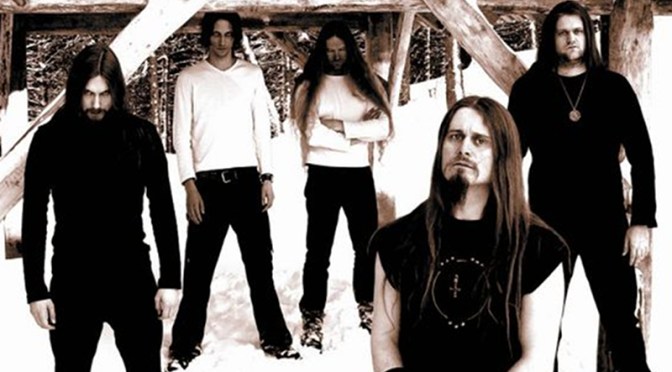
Like Yggdrasill, the world tree at the centre of Norse mythology, black metal has branched out in all sorts of directions. Enslaved have always been a fine example of the genre’s progressive possibilities. Throughout their career the Norwegians have consistently pushed their creative longboat out into new waters. On this classic track from 2004’s Isa there are long passages of dreamy prog that bring to mind Rush, Porcupine Tree and the like. But these cosmic adventurers remain black at heart with frosty, pagan lyrics and a recurring, but captivatingly brief, riff of violent, tempestuous power.



 HEAVY METAL OVERLOAD