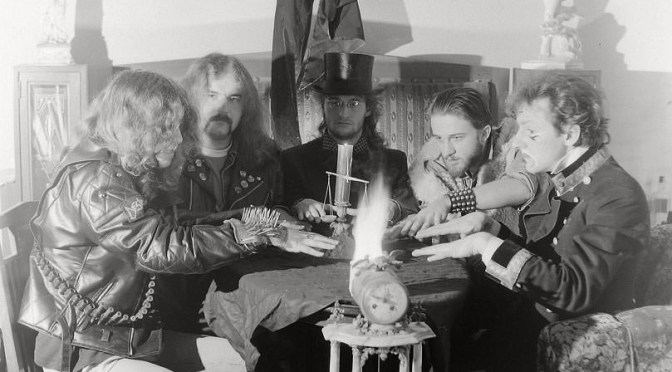
Ritual., the 1991 debut album by the Czech Republic’s Master’s Hammer, is one of my favourite black metal albums. And Geniové (translated to English as “Wizards”) is one of my favourite black metal tunes. It doesn’t have the blasting extremity of a lot of later black metal but it has the crafted riffs and occult lyricism of Mercyful Fate, craggy vocals, creepy castle atmosphere and the band’s patented timpani which gives the track an idiosyncratic and enigmatic sense of drama. Essential.
In 1991, the rock “in crowd” was looking increasingly like a bunch of grunge numpties. So miserable. Much better to throw your lot in with glam outsiders Enuff Z’Nuff who released their pop metal masterpiece Strength that same year. It never scored the commercial breakthrough it was tipped to achieve but, never mind, it still holds up today. In fact, I listen to it and enjoy it more than ever. Here’s one of the album’s best tracks, In Crowd. It’s a brilliant sleazy rocker with a killer riff, Cheap Trick-grade hooks and smart, self-deprecating lyrics. Despite using the phrase “so miserable” seven times, In Crowd is a ton of fun.
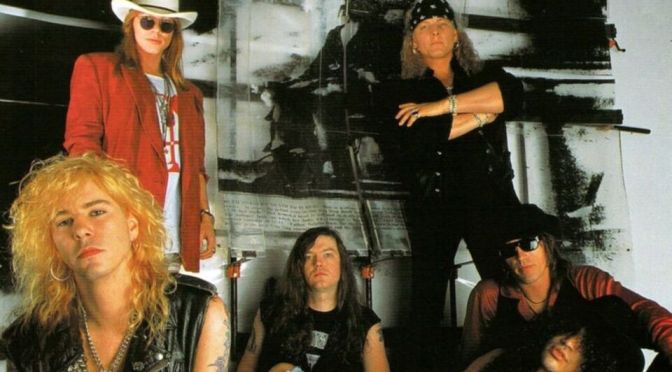
I’ve never been the biggest Guns N’ Roses fan but I really enjoyed watching their recent Glastonbury set on TV and I was especially pleased to be reacquainted with Estranged. Listening to the studio version now, I find I love it more than ever. Taken from the second of their two 1991 Use Your Illusion albums, it’s a wonderful ballad of epic introspection with a heartfelt, searching performance from Axl Rose and sensational melodic guitar lines from Slash, as well as two classy guitar solos. It has the kind of emotional crescendo that I think Axl Rose is particularly good at writing, and that feature in most of my favourite songs of his. If I was whittling the two sprawling Use Your Illusion albums down to a perfect single record, Estranged is one song that would always make the cut.
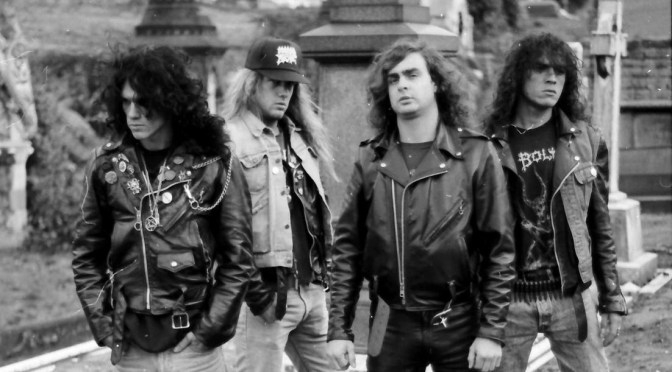
I love how imperious and arrogant this song sounds. Like Morbid Angel circa 1991 are the death metal elite… and they know it. Check out Rebel Lands and you’ll know it too. The sandstorm riffs, demonic half-note stabs, squalling guitar solos and David Vincent’s domineering, emphatic vocals are all the stuff of extreme metal royalty. The band’s debut Altars Of Madness tore everyone a new arse in 1989 and, although Morbid Angel took a more refined, arty approach on their follow-up Blessed Are The Sick, chaotic death metal blasters like Rebel Lands prove the band were still capable of unleashing unholy war.
Holidays In Eden is a rare instance where an album’s title track is also its weakest. But in this case, it’s not that the namesake track is terrible. It’s just that, where the rest of the album veers between lovely pop and moody storytelling, Holidays In Eden is just polite, straightforward rock that doesn’t play to the band’s strengths. The verses have a nice carefree feel and the bridge adds a bit of edge but, in particular, the chorus always struck me as a bit weak. And, if the interviews on the recent reissue box set are anything to go by, Marillion never seemed to be particularly enamoured with it either. A song they say themselves should have been “wilder” and “better than it was”. Can’t argue with that.
This is one winter wonderland you won’t be walking in. Autopsy’s In The Grip Of Winter is one of my absolute favourite death metal tracks. It’s a tale of arctic demise, perfectly expressed with (impending) doom metal swagger, panic-stricken death metal hammering and blizzardy guitar solos. It’s brilliant stuff and one of the tracks I always spin the minute I feel a chill in the air. There’s an even frostier version of this on the Mental Funeral album but this earlier version (from 1991’s Retribution For The Dead EP) emphasises the doom with its humongous, fat sound. But, no matter which version you hear, In The Grip Of Winter is a stone cold classic.
In the early 90s, it seemed like everyone and their dog was recording covers of classic KISS. And death metal pioneers Death were no exception, taking a break from the complex technicality of their 1991 Human album to throw down a cover of God Of Thunder. Originally used as a Japanese bonus track, the cover was presumably intended more as a bit of fun than an important artistic statement as the band don’t do anything radical with the track. Outside of Chuck Schuldiner’s tortured vocals, the relentless double-bass drums and a flashier guitar solo, it’s all pretty faithful to the version on KISS’ Destroyer album. What I find interesting is that, despite the extreme metal growls and drumming, the KISS version remains darker, heavier and cooler. So, although it’s a fun listen in its own right, it also does a good job of reminding you just how powerful KISS were. I guess all those bands were covering their stuff for a reason.
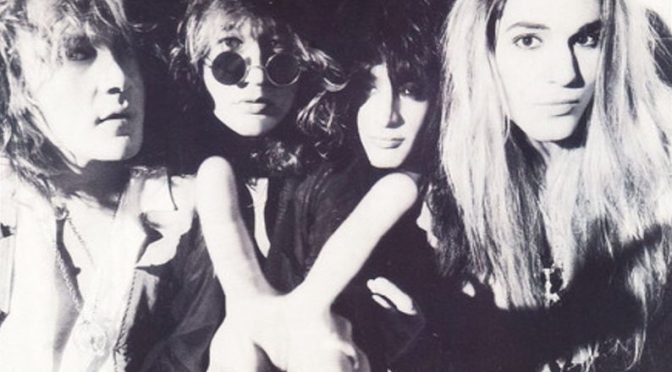
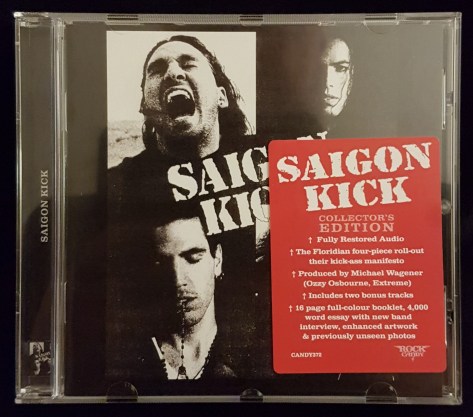
Florida’s Saigon Kick arrived too late for the 80s glam metal party but their 1991 debut album had an eclectic and alternative edge that seemed custom-built for the new decade. The flashy chops and harmonies cast back to the glory days of Ratt, Dokken and the like but colourful shades of Alice In Chains, psychedelia and thrash pointed to the future.
Easy to see why there was a buzz about this band but the eclecticism is a double-edged sword. The variety is impressive and keeps things interesting but also means that for every infectious pop rocker like Colors or moody metaller like New World there’s a cheesy U2-esque Love Of God or the silly cod-angst of What Do You Do. Add banal lyrics to all the style-hopping and the album starts to seem like it’s got little to say.
The hard edge and druggy melody brings to mind contemporaries like Warrior Soul and Enuff Z’nuff but Saigon Kick are inferior to both, with neither Warrior Soul’s incendiary intelligence or Enuff Z’nuff’s depth and taste. There definitely some great stuff here but in an era with a bewildering array of musical flavours on offer, Saigon Kick taste too vanilla.
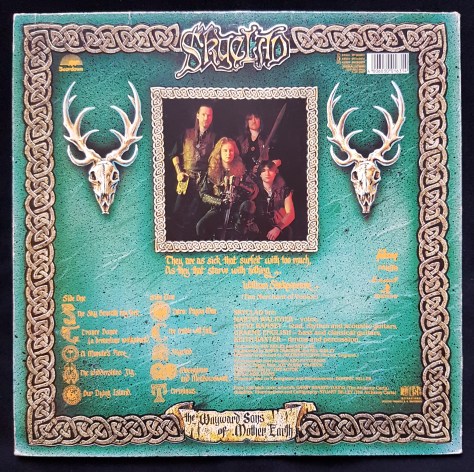
The departure of Martin Walkyier from superb UK thrashers Sabbat was a major disappointment but the talented frontman wasted no time, forming a new band Skyclad with members of Satan and Pariah. Their 1991 debut album TheWayward Sons Of Mother Earth had plenty of the Ye Olde thrash Martin was known for but innovated with its incorporation of folk elements. And lo, a new genre – folk metal – started right here.
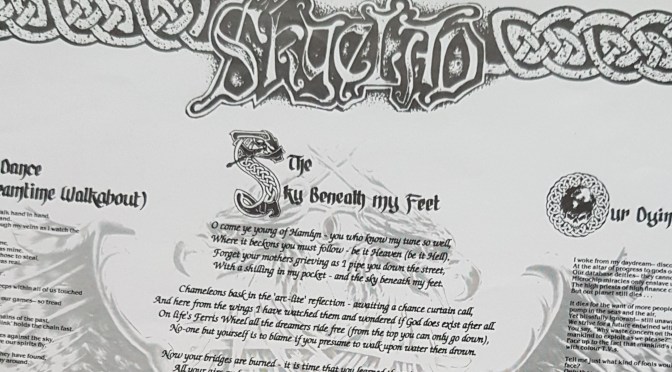
Martin delivers his caustic rants on social justice and ecological doom with raging charisma, backed by Steve Ramsey’s powerful and deft guitar work. There are huge thrash hooks in songs like The Cradle Will Fall (I am human!) and gothic closer Terminus but the band’s dark, dense Euro thrash does get fatiguing at times and the album is at its creative best during its folkier moments. The Widdershins Jig is a jaunty highlight (with a riff surely inspired by children’s TV show The Riddlers), Moongleam and Meadowsweet is beautifully lush (with gorgeous guest guitar from Sting’s Dominic Miller) and dramatic bursts of violin liven up thrashers like Sky Beneath My Feet and Our Dying Island.
The Wayward Sons Of Mother Earth’s combination of labyrinthine thrash and pagan textures has proved remarkably durable over the years. More notable and eclectic offerings were to come, as Skyclad followed their prolific, fiddle-mad muse to become one of the most unique and influential British metal bands of the 90s. But the debut has a uniquely apocalyptic appeal that still makes it a go-to in the band’s impressive discography. Not a perfect debut but an attention-grabbing and adventurous one.
The Swiss power trio Coroner has often been called the “Rush of Thrash” for their progressive bent and formidable performances. And their albums don’t get much more progressive and formidable than their fourth, 1991’s Mental Vortex. Here’s one of my favourite tracks from it, Son of Lilith. It’s still got enough crunch and neck-snapping intensity to please thrashers but this song is more about precision and groove. It’s got an earworm of a chorus and a guitar solo to die for. Total class.



 HEAVY METAL OVERLOAD