With its stunning artwork and a concept covering themes of power, avarice and corruption, Craven Idol’s The Shackles Of Mammon promises to be a scathing, angry and cohesive statement. And for the first four tracks Craven Idol certainly sound spitting mad. Pyromancer and A Ripping Strike are absolutely raging black thrash of the old Kreator/Destruction variety, Black Flame Divination is awesome Venom-style hooliganism and The Trudge is epic Bathory-worship. But cohesion proves to be a problem as the rumbling Dashed To Death and Mammon Est prove largely forgettable and, although they are decent enough tracks, Hunger and the doomy album-closer Tottering Cities Of Men struggle to regain the listeners attention. Fans of crusty venomous metal will find lots to like here but the album frustratingly fails to capitalise on the in-your-face intensity of its first half. Overall, The Shackles Of Mammon scrapes above average but there’s a shitload of promise here if the band can deliver with more consistency.
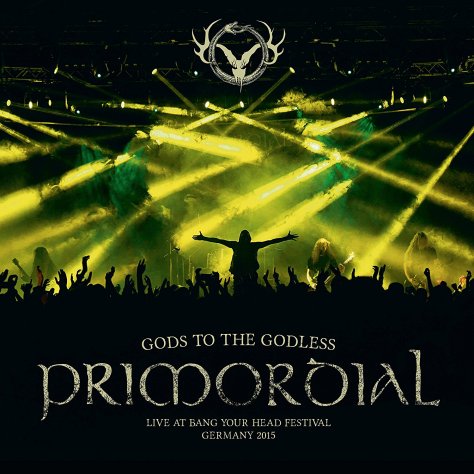
Here’s a rousing track from Primordial’s new live album Gods to the Godless (Live at Bang Your Head Festival Germany 2015). I always feel like live shows are defined by the inclusion of new tracks. My memories of live performances usually revolve around the new songs that were played. For better or worse, bands seem to put extra welly into the new stuff: meaning that brilliant new songs make for an unforgettable show but weak ones will likely mar my recollections, no matter how classics-laden the show might have been. The former is definitely the case with Primordial. Four of the eleven songs here are taken from their last album Where Greater Men Have Fallen and here’s an amazing version of the title track: a burly and martial take that surpasses the studio version. Alan Nemtheanga proves himself, once again, the consummate metal frontman, and the band’s chemistry and the skill of their arrangements are even more evident in the live setting: every instrument occupying a unique space to create a massive wall of sound. Primordial, over twenty years into their career, sound like they’re determined to remain impassioned and vital until the bitter end.
[To hear the Song of the Week, click track three on the YouTube screen below. And then listen to the whole thing, you won’t regret it]
You’d expect a black metal supergroup featuring members of Immortal, Enslaved and Gorgoroth to be an all-out blaster. But, instead, their 2006 album Between Two Worlds was a more traditional affair: the band using the new project to celebrate their pre-2nd Wave influences and indulge in a bit of hero worship. Pre-2nd Wave heroes don’t get much bigger than Bathory and their mastermind Quorthon had died just two years earlier so many of the tracks here have a Bathory influence all over them. Of those, this is my favourite. It’s an epic lament which finds the world-weary Vikings riding their tired horses out “from the mountainous regions” to “where great warriors sleep”. Pillaging can be such a grind. But Warriors’ mix of bold defiance (“It’s a great day for fire”) and raging sadness is always stirring.
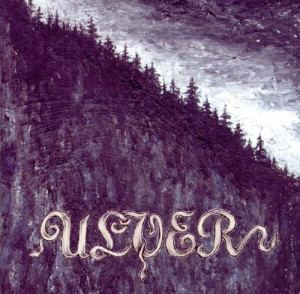
Bergtatt, the title of Ulver’s 1995 debut, doesn’t seem to have an exact translation to English. In the album’s liner notes it’s translated as both “Spellbound” and “Mountain-taken” which is the literal translation*. It’s a Norwegian term for people (usually maidens I imagine) that have been lured into the hills by particularly alluring trolls and other assorted faerie folk, never to return! The music is appropriately seductive, alluring and magical: the album is laden with dreamy acoustic guitars, flutes and soothing Gregorian chant singing. There’s excellent, raw black metal throughout as well but, even then, the orchestrated layers of guitar don’t shatter the dreamy allure: Ulver aiming for a panoramic, classical vibe rather than the usual evil aggression. It’s a debut so fully realised that the band immediately moved on from the style but Bergtatt has proven to be inescapably influential. In 1995 this was a unique album but so many bands have followed in its dreamy, progressive footsteps since that, if it was released today, it would be more relevant than ever. It’s ageless rock n troll.
*In English the full album title is Mountain-taken: A Fairy Tale in 5 Chapters
As Obscene Entity power into the climatic riff of the track Insanity Binds, someone shouts the word “fuck”. Now, normally that kind of posturing would have me rolling my eyes, thinking of Lars Ulrich. But the particular moment at which it is exclaimed, after the band have just powered through a veritable maelstrom of death metal riffs before returning successfully to the song’s main riff, it comes across as totally genuine. Even triumphant. You find yourself totally behind them. Fuck!
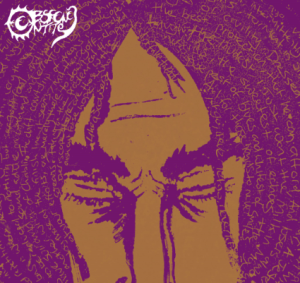
I can’t think of a better way to illustrate the joy of Obscene Entity’s debut album Lamentia.
Loosely based around the theme of mental fragility, this intense and heartfelt album pulls you down a rabbit hole of tortured death metal. The album starts off with the Gojira-fronted-by-Jeff Walker assault of Planetary Devastation. It’s a good, solid opener but the album kicks into another gear as Hymns of the Faithless veers from a dizzy, swirling riff midway through the track into a groovy, stop-start breakdown. It’s the kind of stuff that makes you gurn like Phil Anselmo. Listen to this on the bus at your peril.
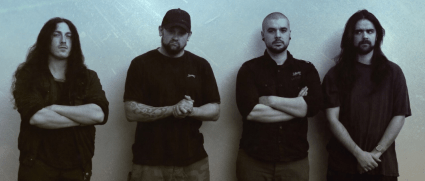
Obscene Entity – upgraded to a four-piece since Lamentia was completed
And from there on the album just seems to intensify, the band continually adding new elements and styles. The title track has a whirling dervish riff and ringing chords that bring to mind Emperor and Euphoric Vanity employs some guitar progginess in a wonderful Chuck Schuldiner vein. The twin vocals of guitarist Matt Adnett (also of Shrines) and bassist Calum Gibb keep things varied throughout: ranging from brute Behemoth growls to hoarse blackened snarls. But the top honours go to drummer Luke Braddick. For an album this vehement, it’s remarkably hooky and those hooks are powered and enhanced by Luke’s dynamic and tasteful playing. Throughout, the band plays a modern style but has a classic sensibility and chemistry: constantly reining themselves in, allowing space for all the parts to have maximum effect. This quality, aided by the powerfully clear production from Dan Abela, only adds to the album’s power and intensity.
There are a lot of approaches and influences on Lamentia and my only concern is that the band haven’t quite found their unique voice yet. But it’s never derivative and the prospect of the band developing and finding that voice on future releases is tantalising. But until then, there’s plenty to enjoy and gurn at in Lamentia. It’s unreconstructed death metal performed with remarkable skill, piss and vinegar. Expect to see this in my end-of-year Top Ten, it’s a fantastic debut. Fuck!
It’s the band’s first album but Shrines already has a lot to live up to. Vocalist and guitarist Sam Loynes is also a member of Voices who last year released London – not only the HMO Top Album of 2014 but also the best album to have happened so far this decade.
Shrines’ music is a different beast from Voices and even if their debut doesn’t quite pull itself out of London‘s shadow it shows considerable promise. Blackened tremolo guitars and deathly Morbid Angel riffing weaves seamlessly with spacey prog and Gojira-esque technicality to dreamy effect. The musicians handle the shifting flow of styles with aplomb: Daniel Blackmore’s precise drumming holds everything together while the guitars are crisp and tight. But the album is at its dreamiest with the clean, harmonised vocals of Loynes. They have a beautiful, tremulous and choral quality. While there are long instrumental passages and also gruffer vocals, it’s the clean vocal delivery on tracks like Ariadne’s Thread, The Drowned and the Saved and Broken Man that are the emotional heart of the album and the parts that resonate after listening and draw you back.
Sadly, the current economic climate meant the band could only afford one jacket
I’d have liked to have heard more of the clean vocals, but they do mix well with the growlier parts. It’s no obvious “nice bit/heavy bit” alternation; the whole album threads and winds through its various approaches subtly and magically. But the variation and my preference for the clean vocals does mean some songs are more affecting than others.
Rather like The Antichrist Imperium debut earlier in the year (also featuring Loynes), Shrines is one of the best things I’ve heard in 2015 but it’s not as startling or as fully-realised as London. But neither was Voices’ debut album. This is a strong and captivating debut and I’ll be very keen to hear what Shrines come up with next.
Considering the huge impact Italy has had on the world of horror movies since the 60s, it’s hardly surprising that the first Italian Heavy Metal band was steeped in the sepulchral atmosphere of the graveyard. Death SS were formed in 1977 by guitarist Paul Chain (the “Death”) and vocalist Steve Sylvester (The “Vampire” whose initials also provided the “SS” of the band name). The band was rounded out by guitarist Claud Galley (The “Zombie”), bassist Danny Hughes (the “Mummy”) and the superbly-monikered Thomas Hand Chaste (the “Werewolf”) on drums. If the Village People ever went Hammer Horror they would probably end up looking something like Death SS.
Although they toiled in obscurity, Death SS still managed to release demos and some privately pressed singles. The Zombie/Terror 7” is the earliest of those singles, an extremely rare release that has now been exhumed and reissued by Svart Records. A-Side Zombie is a 1979 demo version recorded at a rehearsal and B-Side Terror is a rough live take from 1980. Both are horrible, crudely performed and even more crudely recorded. But an inspired and creative magick cuts through the sonic fog. Naively simple but ominous riffs are topped with chiming, ethereally spooky guitar melodies and the vocal hooks in both songs are immediate and melodic enough to endure Sylvester’s cheese-grater vocals. The ugly rawness of the production and singing also strengthens the dark, occult atmosphere: a method that many Black Metal bands would make a virtue of years later.
My copy
You could draw style connections via the Italians from Killer-era Alice Cooper through to the Black Metal genre but Death SS don’t really sound like anyone else. Their otherworldly eeriness, melodic nous and the murky, macabre shroud of sound makes for a darkly seductive listen that I’d strongly recommend to fans of occult/horror-themed Metal. Superior versions of both these songs can be found on the essential The Story of Death SS 1977 – 1984 compilation so newcomers should start there. But for existing fans this single is a great opportunity to own more of this obscure band’s rare and early work and to hear their first lumbering steps from beyond the grave.
Extreme Metal pioneers Venom waged war from the very depths of Hell, raging against the early-80s New Wave of British Heavy Metal bands they considered tame and the heroes that they felt had pulled their punches.
They combined the filth and fury of Punk and Motörhead with the larger-than-life images of KISS and Priest and the kind of Devilish allegiance that would have Sabbath crying “Please God help me!” Conrad, Tony and Jeff became the far more demonic-sounding Cronos, Abaddon and Mantas and their classic album cover set out their allegiance to Beelzebub in black and gold. And they had the sound to match their demonic image.
Another trip to the beach ruined
The band used demo sessions for the final album, signalling their primitive purity and honesty. Welcome to Hell sounded under-produced and unholy. The Motörhead influences are obvious, especially in the opening tracks Sons of Satan and Welcome to Hell, but the brio with which they mangle these rockers is thrillingly rudimentary. Cronos’ appropriately named “Bulldozer” bass piles over everything, Mantas peels off some fun wild solos and Abaddon’s caveman drumming tries to keep up. The sense of limits being pushed gives the performance a chaotic edge, especially during the lurching changes of pace. The debauchery of tracks like Poison and Red Light Fever is often criticized but really it all just adds to the shock factor and what’s the point of being one of the Great Horned One’s Legion if you can’t indulge in a bit of hellraising hedonism?
On Side 2 the band enter more original and scarier territory. Witching Hour is seminal proto-Thrash, Angel Dust is face-ripping and In League with Satan is addictively catchy while still sounding ominous and threatening. The band tightens their Metal grip as the album progresses and the most influential musical moments come from the record’s second half. Welcome to Hell has many elements of the Heavy music that preceded it and its fast pace, growled vocals and evil vibe can be heard in so much Metal that came after. But it remains unique and divisive. In fact, it’s a hellish maelstrom of just about everything I love about Heavy Metal while also embodying everything the genre is criticised for.
Venom’s raw, no-holds barred approach would prove to be massively influential on Thrash, Death and particularly Black Metal. Although Venom hadn’t gotten around to christening it yet, many key components of BM began here: particularly the occult, evil atmosphere and rotten production values but also the iconography, aliases and instrument descriptions (Bulldozer Bass, Chainsaw Guitars and Nuclear Warheads!)
But most importantly, Venom’s greatest legacy was their harder/faster/scarier mind-set which became the ethos of much of the Metal that followed. With Welcome to Hell Metal became Extreme and for that we should all praise Satan.



 HEAVY METAL OVERLOAD
