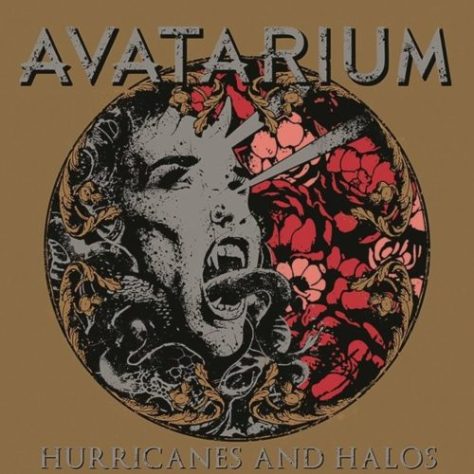
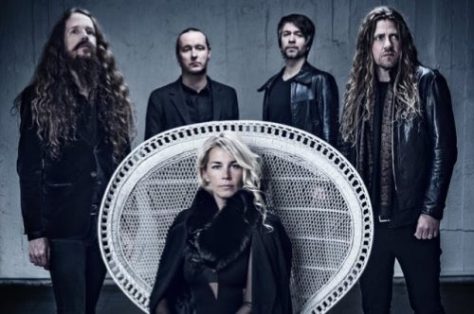
Avatarium were originally devised as a combination of crushing doom and 70s prog. But on their third album Hurricanes and Halos there’s very little doom left at all; the focus is now firmly on retro rock stylings of swirling Hammond organ and sultry psychedelia.
Into The Fire/Into The Storm is a bold opener that makes full use of Jennie-Ann Smith’s forceful, dramatic lung power and The Starless Sleep is a wonderful mix of dark fable and summery 60s pop. But there’s a sense of diminishing returns on album number three. Although it’s one of the doomier tracks, Medusa Child is overlong with cheesy child vocals. And the breezy, bluesy When Breath Turns To Air and the closing instrumental parp of the title track barely register. The album’s uneven second half is saved by the stomping Uriah Heep worship of The Sky At The Bottom Of The Sea and the ominous beauty of A Kiss (From The End Of The World), one of the band’s best tunes to date.
It’s another strong effort from the Swedes but it finds them veering away from my own taste. As the band dial down the doom I find myself less engaged. But the band’s charismatic and summery take on classic 70s rock will win them more fans and appreciation than they lose. And those listeners may well find this the band’s most accessible and enjoyable album so far.
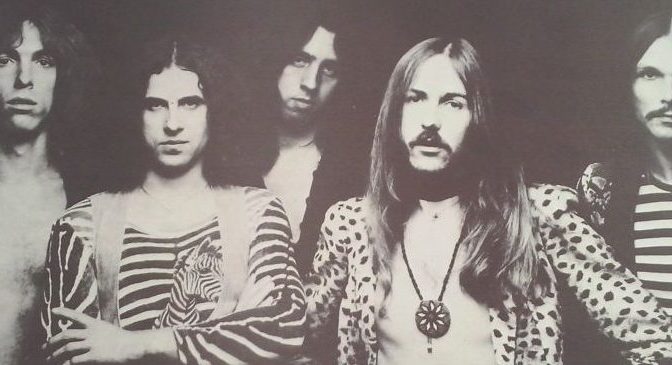
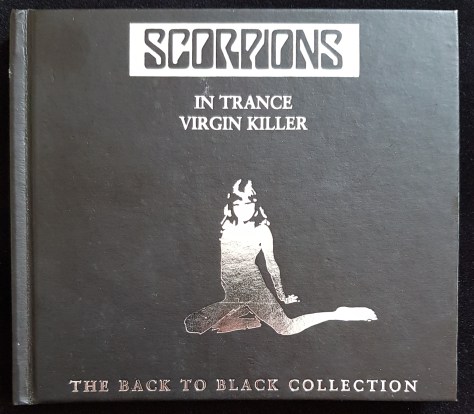
In Trance was the Scorpions’ third album, their first of many with producer Dieter Dierks and their first proper hard rocker. But we’re still back in the Uli Roth years here so there’s a strange mix of styles and moods. There are real driving, hard-hitters like Dark Lady and Top Of The Bill but there are also many songs like Life’s Like A River and Living And Dying that are mystical, almost-psychedelic and loaded with melancholy. Two different kinds of heavy, basically. Scorpions’ circa 1975 show off a complex mix of styles and influences: Uli Roth’s post-Hendrix, pre-Malmsteen guitar mastery; the mellow wistfulness of UFO’s Phenomenon; the epic scope, bludgeon and layered vocal harmonies of Uriah Heep and Queen and a distinctly European/power metal vibe. The combination of Rudolf Schenker’s granite riffs and Uli Roth’s scorching leads create real sparks and edge that never appeared in other incarnations of the band. There’s so just so much to love here and tracks like the bombastic pomp-rocker In Trance and the bonkers cyber-metaller Robot Man just never get old. The Scorpions would score big later with a simpler, streamlined metal style so this strange and formative early effort isn’t in the hallmark Scorps style but it is one of their best and the album, and era, I return to the most. By a long way. And that’s why it’s my top pick from this band’s impressive discography.
My copy – paired with the also-incredible Virgin Killer
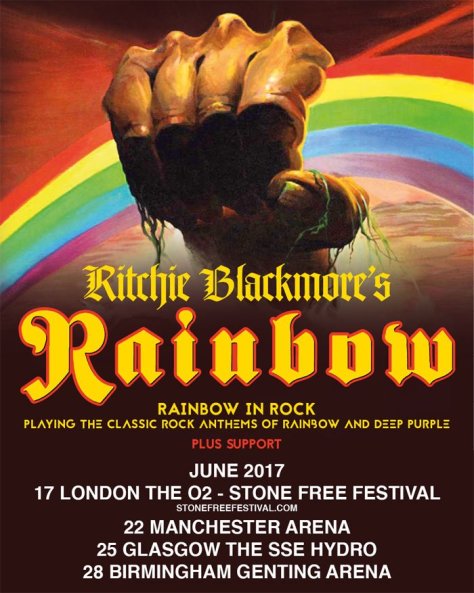
I finally made the sacred pilgrimage to see The World’s Greatest Guitarist®. My expectations had been lowered after seeing the enjoyable but sluggish Memories In Rock footage and then hearing the banal single released a few weeks back but… Ritchie F. Blackmore! It was incredibly exciting to know I was finally going to, not just see him play live, but see him play rock.
The band’s recent recording of Land Of Hope And Glory played over the PA before the “we must be over the rainbow” sample heralded the band’s arrival on stage. Opening with HMO fave Spotlight Kid rather than Highway Star was a good move. Blackmore played tentatively and awkwardly but come the closing outro of the next song I Surrender he was warming up. He was taking some shortcuts in his lead and rhythm playing throughout the night but given his age (and arthritis?) it’s unfair to expect the intensity of his youth. He still played well and had that mercurial, unique quality. It was great to hear his instantly recognisable guitar voice in person.
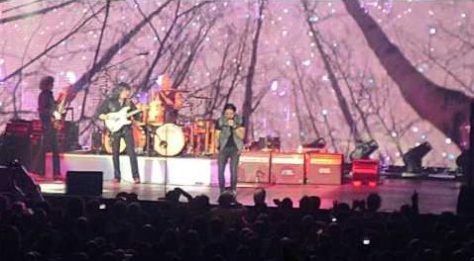
Sorry, didn’t take any photos but this YouTube still from the O2 show is similar to the view I had.
The band was good too. A definite improvement on the 2016 footage/recordings with a much more convincing performance from the rhythm section in particular. Ronnie Romero was in superb voice and an entertaining, personable frontman. He suits some songs more than others but he was impressive all night. He’s a huge talent and a great find.
My only quibbles were an interminably long keyboard solo and some overly shrill shrieking in Child In Time, a song I can’t be arsed with at the best of times anyway. And, although it’s good to hear Blackmore playing them, I wasn’t too fussed about hearing other Purple stuff like Black Night and Smoke On The Water either. That said, some of the sets best moments came from the Purple albums: a stunning version of Burn and a very moving Soldier Of Fortune. The Rainbow selections were similar to previous shows with the welcome addition of I Surrender,All Night Long and a hugely unexpected and wonderful Temple Of The King. But the mighty Stargazer remains the absolute standout track of the set: epic metal bliss delivered with deadly conviction by Romero. Goosebumps.
Ultimately, I went to see a guitarist whose music and playing I have obsessed over for years. And I was not disappointed. In fact, I was often thrilled and excited. That’s pretty good going. Age and arthritis be damned, Blackmore is still the man.
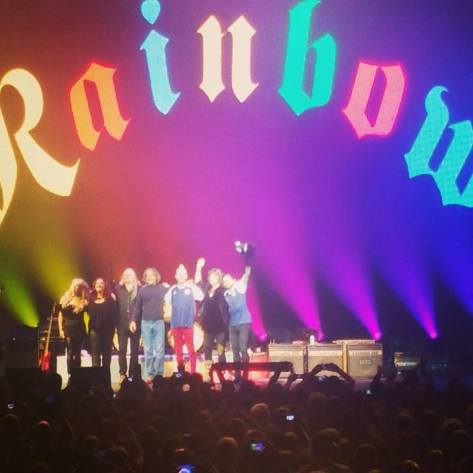
Luckily, my friend Jo is better at taking photos than I am
The Swiss power trio Coroner has often been called the “Rush of Thrash” for their progressive bent and formidable performances. And their albums don’t get much more progressive and formidable than their fourth, 1991’s Mental Vortex. Here’s one of my favourite tracks from it, Son of Lilith. It’s still got enough crunch and neck-snapping intensity to please thrashers but this song is more about precision and groove. It’s got an earworm of a chorus and a guitar solo to die for. Total class.
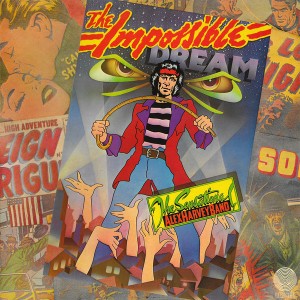
Alex Harvey was not only one of Scotland’s most legendary rockers, he was also steeped in showbiz. This album, his third with SAHB, came out in ’74 but Alex had been around in music and theatre since the late 50s. He formed his “Sensational” band, with members of prog rockers Tear Gas, in the early 70s and often referred to them in terms of movies and the stage: he was their director. And The Impossible Dream is their most theatrical and cinematic album, the culmination of Harvey’s decades of experience. It’s comparable to Alice Cooper’s School’s Out: an adventurous extravaganza. From the tribal, comic book stomp of Vambo and Man in the Jar‘s gonzo noir to the dancehall Sergeant Fury, the skittery blues of Weights Made of Lead and the riffing pirate yarn Tomahawk Kid this album is a total romp. Yo ho ho! And as Anthem closes the album out, it’s extremely moving too. It’ll make ye greet.
… unless you were in the US, in which case you got this shiter.
It’s the band’s first album but Shrines already has a lot to live up to. Vocalist and guitarist Sam Loynes is also a member of Voices who last year released London – not only the HMO Top Album of 2014 but also the best album to have happened so far this decade.
Shrines’ music is a different beast from Voices and even if their debut doesn’t quite pull itself out of London‘s shadow it shows considerable promise. Blackened tremolo guitars and deathly Morbid Angel riffing weaves seamlessly with spacey prog and Gojira-esque technicality to dreamy effect. The musicians handle the shifting flow of styles with aplomb: Daniel Blackmore’s precise drumming holds everything together while the guitars are crisp and tight. But the album is at its dreamiest with the clean, harmonised vocals of Loynes. They have a beautiful, tremulous and choral quality. While there are long instrumental passages and also gruffer vocals, it’s the clean vocal delivery on tracks like Ariadne’s Thread, The Drowned and the Saved and Broken Man that are the emotional heart of the album and the parts that resonate after listening and draw you back.
Sadly, the current economic climate meant the band could only afford one jacket
I’d have liked to have heard more of the clean vocals, but they do mix well with the growlier parts. It’s no obvious “nice bit/heavy bit” alternation; the whole album threads and winds through its various approaches subtly and magically. But the variation and my preference for the clean vocals does mean some songs are more affecting than others.
Rather like The Antichrist Imperium debut earlier in the year (also featuring Loynes), Shrines is one of the best things I’ve heard in 2015 but it’s not as startling or as fully-realised as London. But neither was Voices’ debut album. This is a strong and captivating debut and I’ll be very keen to hear what Shrines come up with next.
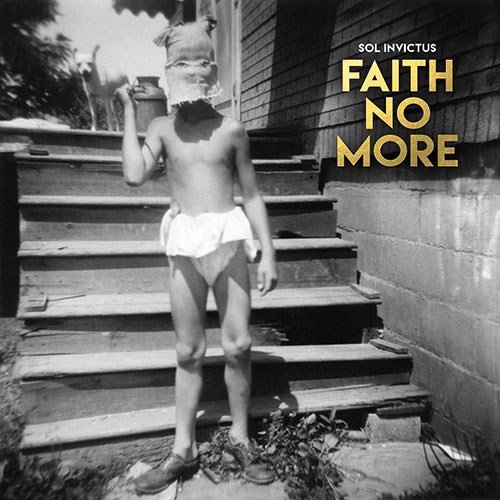
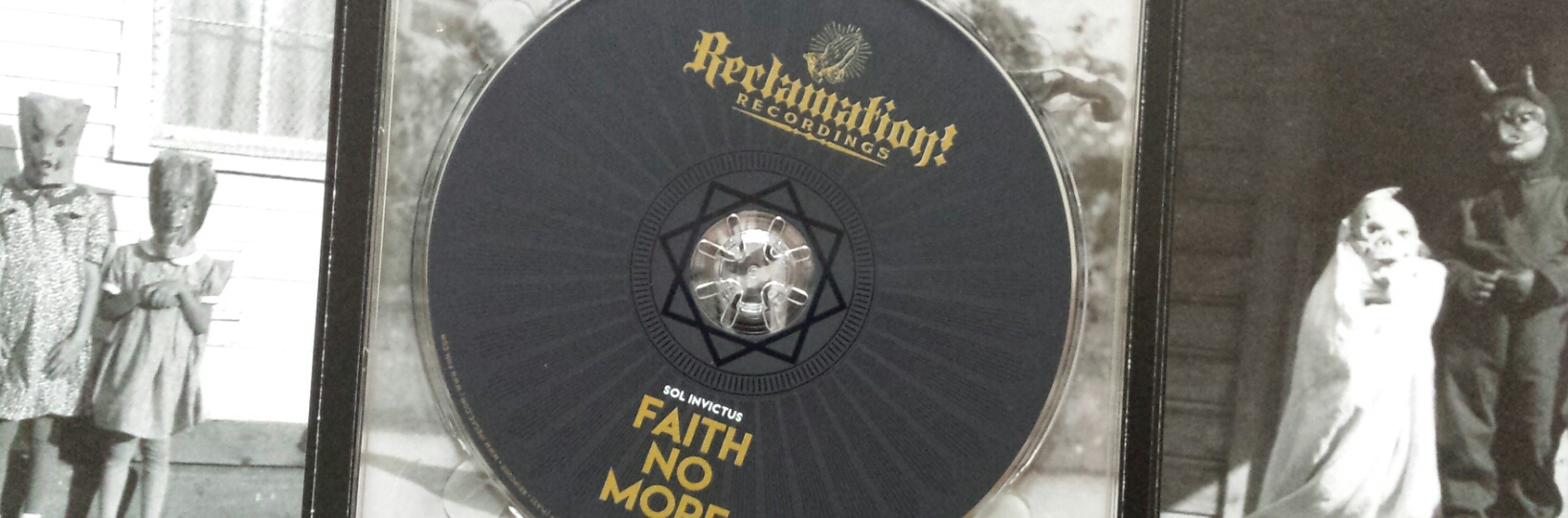
My favourite Faith No More albums, Angel Dust and King for a Day… Fool for a Lifetime, took time to grow on me. Big chunks of the albums would go over my head but there were always enough instantly accessible songs to keep me coming back for more. And with each listen their darker, more challenging material would start to work on me until I was completely won over. Continuing this tradition, their reunion album Sol Invictus has taken repeat listens to reveal itself too… but in a slightly different way. The news that the reunited Faith No More would be releasing their first new music since 1997’s Album of the Year was hugely exciting but the early singles Motherfucker and Superhero seemed disappointing. And on initial spins it seemed like Faith No More were playing it too safe. The material and delivery seemed lazy and half-baked. But, strangely, the album was more instantly satisfying in its darker, denser moments. Songs like Separation Anxiety, Matador and the fantastic Cone of Shame all reminders of the band at their very best and it was these tense and claustrophobic tracks that brought me back for repeat listens. And on those repeat listens songs like Sunny Side Up and Rise of the Fall began to exert a magnetic, hooky pull. Turns out that there’s a lot going on in the album’s short running time. I found hidden depths, enigmatic lyrics and moments of joy in songs I’d previously deemed throwaway. Even the singles started to grow on me, working better within the context of the album.
Mah copy
The things that struck me as weaknesses in early listens (the safe approach, restrained guitars, empty catchiness) are all objectively still there but now they just don’t seem to matter. Mike Patton’s remarkable vocals and Roddy Bottum’s keyboards prove to be the star turns here but mostly the band foregoes grandstanding in favour of serving the music’s expression and theatricality. Fans of the band’s more Caffeine-ated explosiveness might be disappointed but that was only ever one part of their style. This is still recognisably a Faith No More album, reminiscent of their past work but also a step forward and a new start. It’s a hugely rewarding listen and it’s also very much a grower. In other words, classic Faith No More. Welcome back.
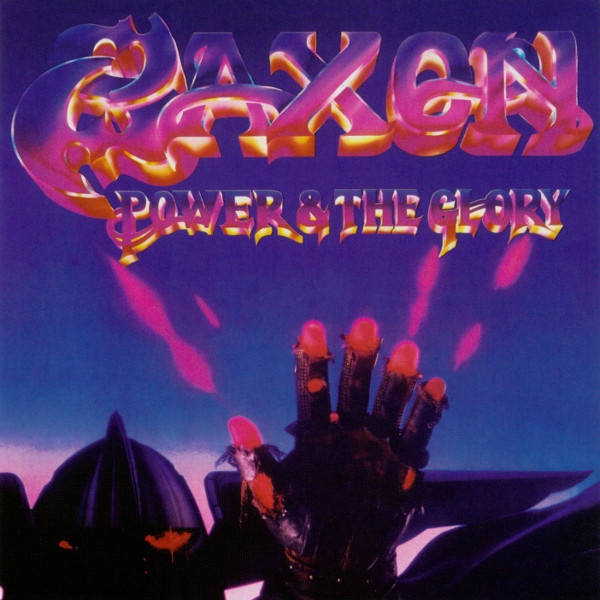
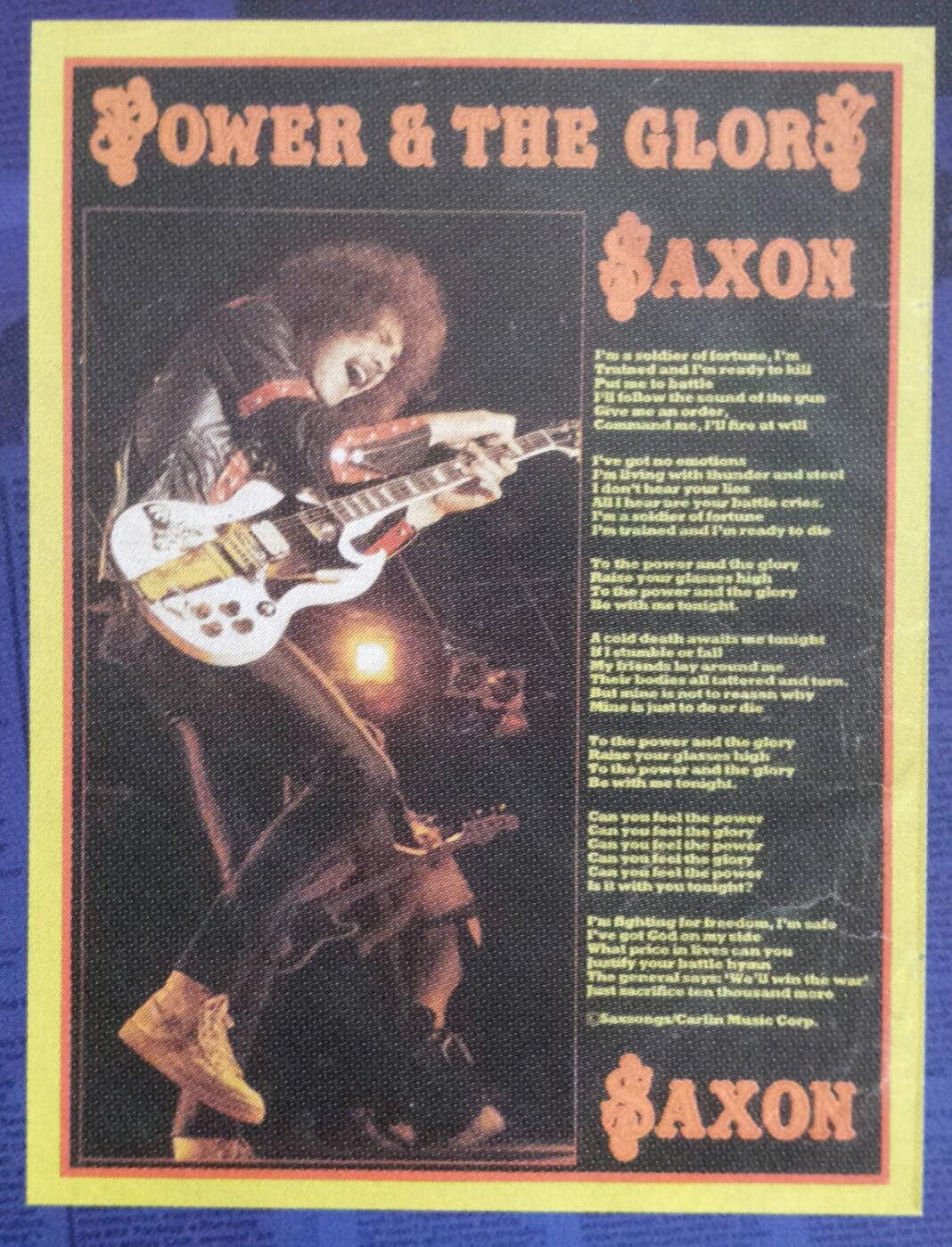
In 1982 it was time for a rethink in the Saxon camp. They had been turning their attention to America and while they slogged in support slots and club gigs Iron Maiden and Judas Priest were enjoying impressive Stateside commercial breakthroughs. Saxon’s management and label set their sights squarely on American success and the Yorkshiremen were packed off to Atlanta to record their next album, 1983’s Power & The Glory, with hopes of finessing their sound and upping their game.
While the UK fans and critics might have suspected the band would soften their edges, Power & The Glory turned out to be Saxon’s most Metallic release yet: former Kansas producer Jeff Glixman helped them achieve their best sound to date with layers of massive guitars and a charged rhythm section put straight in your face. A combination of hot-rodded British steel and radio-friendly sheen in a similar vein to Judas Priest’s hit Screaming for Vengeance album. The steelier moments are the most impressive: as Power and the Glory’s tense album-opening riff breaks into the verse it’s like you’ve been launched into battle. Biff Byford gives a rousing vocal and the lyrics are an alluring combo of proud valour and anti-war sentiment. It’s another classic jewel in Saxon’s crown. Redline’s pneumatic shuffle breaks into a classy open-road chorus and Warrior is a scything speed-metaller. The Quinn/Oliver guitar duo are in peak form throughout the album but Warrior’s berserk, slurry guitar solo from Paul Quinn is one of the band’s best.
Can you feel the power? Can you read the lyrics?
The album is less sure-footed when it aims for airplay. Watching the Sky is enjoyable but stock and Nightmare is not quite the star single it wants to be (despite its coruscating guitar solo and cool harmony vocals). But even at Power & The Glory’s weakest the band thunders with conviction, enlivened by the hurricane energy of new drummer Nigel Glockler. Nowhere is this more apparent than on Side 2 opener This Town Rocks which, although it works better live, is a veritable showcase for Glockler’s combustible drumming. The icing on the album’s cake though, is the return of the debut’s prog rock elements to the band’s style. Midas Touch overcomes its daft lyrics by combining a weighty Sabbath-grade riff with Frozen Rainbow-style mellow verses for satisfying light and shade and The Eagle Has Landed closes the album with another Saxon classic: an interstellar journey with lush, spacey guitars and a hefty riff so dramatic you can almost overlook its similarity to Priest’s Victim of Changes. But despite the familiar riff it’s still one of Saxon’s more creative tracks and a great album closer.
My copy (straight from the HMO Vault)
Power & The Glory was Saxon’s purest heavy metal release to date: there’s little of the older Saxon’s blues and boogie here. While fans might miss the knockabout, rowdy style of albums like Wheels of Steel the progression is understandable following the slight diminishing returns of previous album Denim and Leather. It’s a more fully-realised and consistent album with less Rough and Ready-style throwaway filler but it doesn’t quite rack up the same quota of classics as previous records. Sadly, as far as their invasion of the US went: Saxon came, Saxon saw, but Saxon failed to conquer. Even in the UK they found their commercial grip loosening. But metal fans whose taste runs to the epic and the martial (and don’t mind a bit of drivetime pomp) will find that this album is an absolute blast. The title-track alone makes it worth the price of entry and no metal collection can be complete without it. While often overlooked in favour of the preceding “classic trilogy” it truthfully forms the last in a quadrilogy. This is a lively and exciting record that fulfils the promise of its title. You can feel the power and, even though Saxon probably weren’t getting as much of it as they’d like, you can definitely feel the glory. What more do you want from a metal album?
For many years I knew Trapeze as a historical footnote and not much else. Usually prefixed with “ex-” as former members Glenn Hughes (bassist and “Voice of Rock”), the late Mel Galley (guitar/vocals) and Dave Holland (drums) all moved on to higher profile gigs with other bands. Hughes joined Deep Purple, Galley appeared in Whitesnake and Holland served time in Judas Priest before… well… serving time.
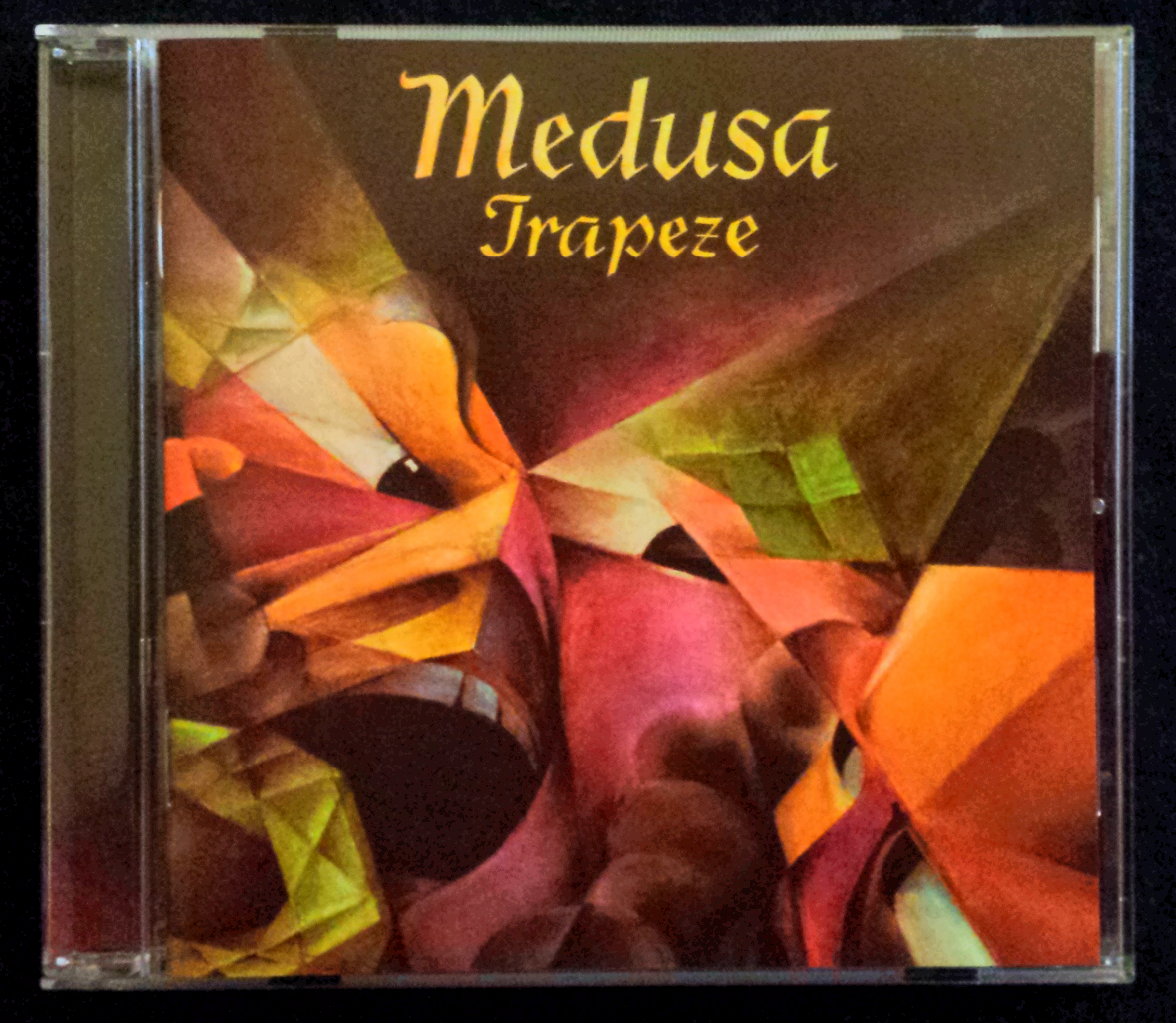
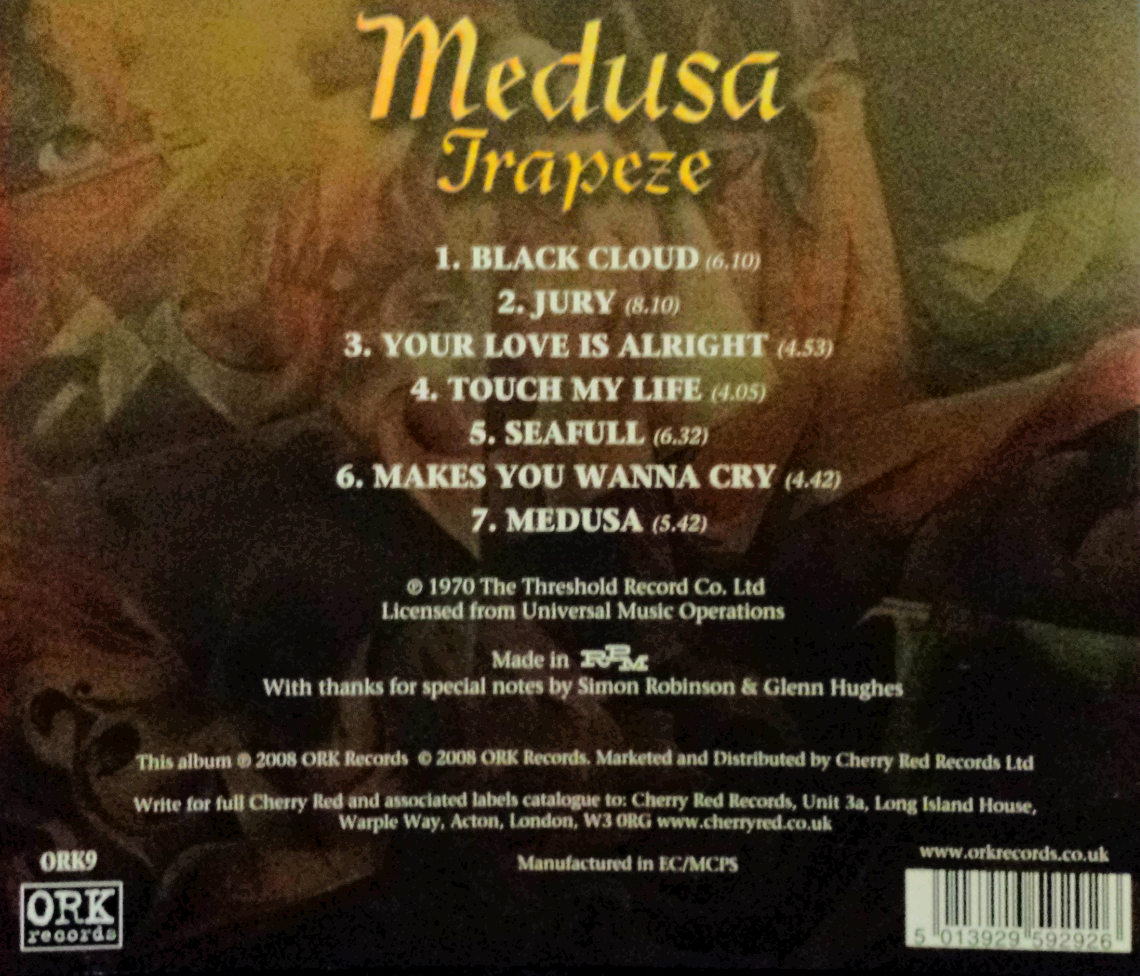
In the early ’00s, a run of brilliant Glenn Hughes solo albums finally inspired me to investigate his old band. Medusa was Trapeze’s second album but the first to feature its most famous power trio line-up of Hughes/Galley/Holland. It was released in late 1970 and, as was often the case with the era’s Hard Rockers, it’s an album of light and shade. This means Led Zep often come up as a comparison but I hear more of a Free influence, especially in groovy Rockers like Black Cloud and Touch My Life. Although the funky, stop-start rhythms of Your Love is Alright get a little bit frustrating the band sound tight and confident, leaving plenty of space for everyone’s contributions to be heard. And with the tasteful exception of Mel Galley’s guitar jamming on Makes You Wanna Cry, there is very little instrumental showboating on Medusa which leaves the focus squarely on Glenn’s superb voice.
It’s fascinating to hear him at this early stage, with a rawer tone and delivery that brings to mind Paul Rodgers and Steve Marriott. And his voice is even more remarkable in the album’s longer tracks. Jury, Seafull and the title-track have a more progressive feel. Pastoral acoustic passages build up to intense, heavy climaxes that would appeal to fans of Uriah Heep or early Judas Priest. When Glenn employs his full vocal range at the climax of Jury the results are spine-chilling.
Medusa is an album of real maturity and depth from a group with tangible chemistry. Before going their separate ways, Trapeze would record one more excellent studio album and enjoy some live success in the US but it’s a shame their recorded output didn’t achieve more success or recognition. While it’s unsurprising that the musicians involved went on to bigger things, together they deserved way more than footnote status.
2008 Edition on Ork Records. Great remaster and liner notes
BÖC ended their tenure on Columbia with the ambitious concept album, Imaginos. It’s easily one of BÖC’s heaviest efforts in all senses but there were still enough keyboards, reverbed drums and glassy clean guitars to ensure it fit in with the musical trends of the mid-80s. In typical BÖC fashion, however, they added their own eerie and psychedelic quality to the mix. If you ever have a nightmare about the 80s it could easily sound like this!
The album had a long gestation and is really a combination of two projects. It started out in 1981 as the solo project of fired original member, Albert Bouchard. This project was rejected and later reworked as a Blue Öyster Cult project. Even though some of the original BÖC members were no longer in the band, the convoluted saga of the album’s making meant that all original members appear on it, giving the album the illusion of being a reunion effort. There are also many guest musicians and vocalists as a result of its long gestation.
Imaginos CD Cover
It’s perhaps surprising, then, that the album sounds so focussed. Del Rio’s Song has hooks to die for and serves as light relief amidst all the mystery and darkness. The Siege and Investiture of Baron Von Frankenstein’s Castle at Wisseria is explosively dramatic with superb guest vocalist Joey Cerisano channeling Chris Cornell. The album’s concept comes from poems written in the 60s by the band’s mentor and manager Sandy Pearlman. These ideas have featured in many songs throughout BÖC albums and some of this older material appears here in reworked form (including an upbeat, galloping take on the classic Astronomy).
Although the production does seem over-produced compared to the sparser sound of their classic albums, the lavish sound does suit the theatrical concept andfeels like an updated version of the band’s dark, arcane style to me. The use of lyrics and music from previous eras also creates the sense of this album as the definitive statement of BÖC’s career and mythology. Unfortunately, it turned out to be the band’s worst seller for the label and would be their swansong as a Columbia act. They wouldn’t release another studio album for 10 years. It’s a real shame because this album is creative, bold and uncompromising: a secret treat for anyone wanting to check out overlooked gems from the 80s.
Imaginos LP Inner – The “Explanation”
Imaginos – The “Explanation”
[Blue Öyster Cult – The Siege and Investiture of Baron Von Frankenstein’s Castle at Wisseria]