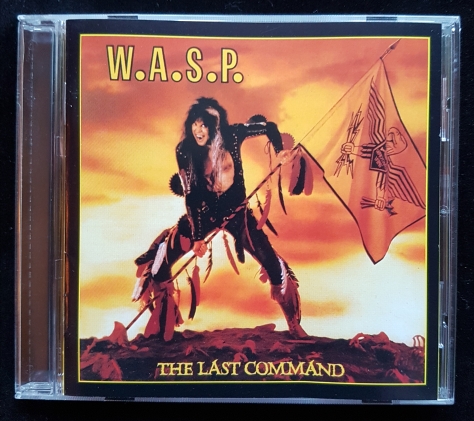
Frontman Blackie Lawless might be flying his shock rock flag high on the cover but the only things worth rallying behind on 1985’s The Last Command are a few decent songs and Lawless’ unique howling rasp of a voice. W.A.S.P.’s eponymous debut was a superbly untamed slice of evil filth but on this second album, the band’s songwriting is sliding into the unremarkable. The free-spirited opener Wild Child and the debauched Blind In Texas are the must-hear tracks but for every song like the fun-but-silly Ballcrusher or the mean, moody Widowmaker there’s a banal Jack Action or the humdrum title track. But, while the balance between the filler tracks and the good ones is dangerously unbalanced, the band’s delivery and that voice manage to just lift the album out of the realm of the ordinary. It’s a good enough time if you’re in the right mood, a bore if you’re not. OK for occasional plays but not regular revisits. At the end of final track Sex Drive, Lawless rolls over and asks “tell me that don’t hit the spot”. Well, it was good fun but I’d be lying if I said the earth moved.
Finding their label Music For Nations wanting, presumably puny, Manowar used the budget they were given to record their third album, 1984’s Hail to England, but used it sparingly: covertly working up an additional batch of tracks which they then used to win a record deal with Virgin/Ten Records. Sneakiness aside, Manowar achieved a heroic feat. They had recorded two of the very greatest albums in the history of heavy metal… at the same time.
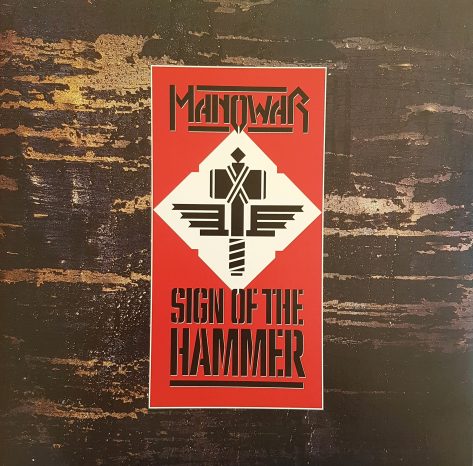
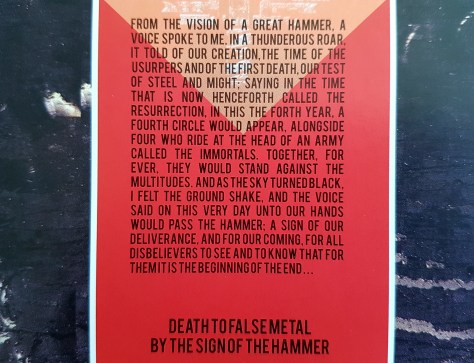
So here’s the second of those peerless works, Sign Of The Hammer. It’s pure heavy metal, but Manowar’s explosive and idiosyncratic idea of what that might be. Joey DeMaio leads from the front with his humungous bass riffs and leads but the whole band is on stellar form. Eric Adams sings with absolute authority and commitment, Ross The Boss’ wild, off-the-cuff guitar solos are impossibly exciting and Scott Columbus pounds out the drum equivalent of shouting “FRESH HORSES” at the top of your voice. The songwriting is also godly, with opening lines like “black clouds on the horizon” and “burning embers of the second death will come in the night” 100% guaranteed to give all but the false true metal stirrings.
The album is near flawless. All Men Play On Ten and Animals kick the album off like KISS-on-steroids. Thor (The Power Head) is as thunderous and warring as its title suggests. Mountains is elemental in its epic scope and the black wind conjured up in The Oath and the Sign Of The Hammer tips the album into sheer aural chaos. There’s only one chink in the armour here and that’s the bass noodling of Thunderpick. It’s extremely skippable but, as always with Manowar, there’s mad genius at work as the workout proves to be an effective overture to the sublime album closer Guyana (Cult Of The Damned). Eric Adams excels here, delivering an account of mass suicide with chilling and heartbreaking sincerity.
This album has hopped around the top spot of my favourite albums of all time for decades now, vying with that other work of genius Hail To England. There are times when I seriously wonder if I’ve wasted my time listening to other music when I could have been listening to this and, listening to it again now, I reckon I probably was.
When Sweden’s Tribulation premiered their new single Lady Death in late 2017, it left me expecting a bland, streamlined follow-up album to 2015’s excellent The Children Of The Night. I shouldn’t have worried. Their follow-up Down Below is definitely streamlined but, far from being bland, it hones their horror metal to perfection: simplifying their music and making it more accessible without sacrificing depth. No mean feat.
There are a lot of comparisons to be drawn with other Swedish bands. The melodic horror and direct, memorable riffing is akin to Ghost but tracks like Nightbound and Cities From The Underworld use layers of sinister instrumentation and harmony to add a thick, nocturnal atmosphere of gothic horror. Johannes Andersson maintains his ghoulish, gargled vocals style too. A crucial move that stops things getting too slick, giving the album a gritty, filth that brings to mind In Solitude’s superb Sister. And on the centrepiece track Subterranea the band conjure the kind of evil magick that wouldn’t sound out of place on a Watain album.
The Ltd. Edition version features excellent bonus track Come, Become, To Be
I can’t blame anyone for trying to pick out a single but this is best experienced in its entirety. Tribulation juggles variety and consistency, accessibility and obscurity with accomplished ease. It’s a major statement from a band that has come a staggeringly long way in just four albums and Down Below will cast a long, haunting shadow over the metal scene of 2018.
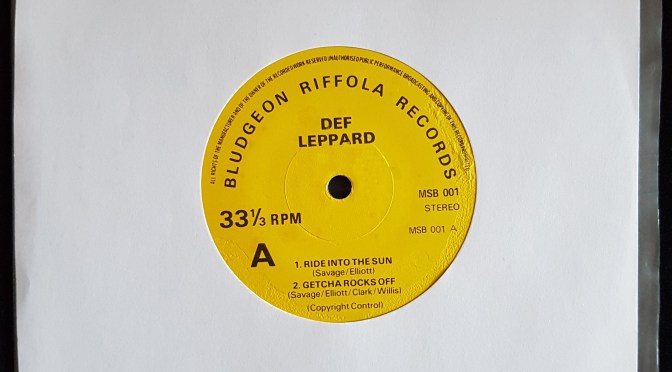
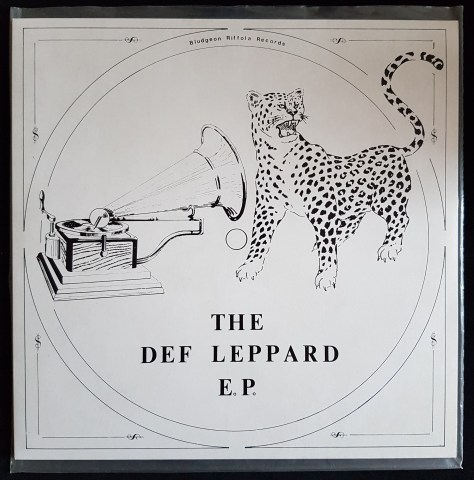
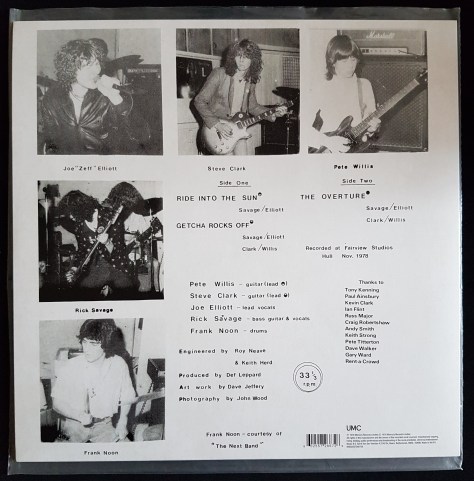
Def Leppard roared onto the UK metal scene with this self-titled EP. Hard to imagine now, but the squillion-selling stars of Hysteria fame had to release this on their own label Bludgeon Riffola after paying for the recording with borrowed money and recording it with borrowed drummer, Frank Noon. It was the kind of DIY move that became a big factor in the growing New Wave of British Heavy Metal and The Def Leppard EP put the Sheffield band right at the forefront of the movement. Before the term NWOBHM had even been coined!
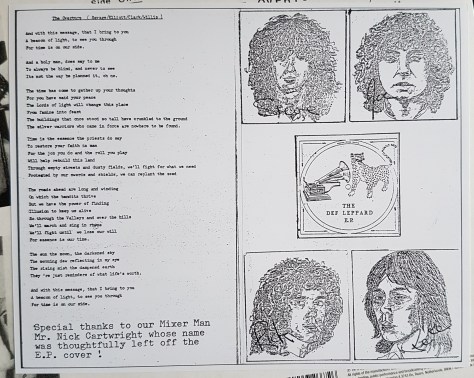
Released in January 1979 the EP features early versions of Ride Into The Sun, Getcha Rocks Off and The Overture: all songs that would be re-recorded later, with varying results. A later Hysteria-era remake of Ride Into The Sun improved on the original’s clunky vocals but that bouncy riff is still killer here and it’s fun to hear Lep in such naïve form. Getcha Rocks Off and The Overture would appear again on the band’s debut album On Through The Night but these are the definitive takes with their lively hot-of-the-press feel. The Overture in particular is a highlight, top epic-metal cobblers that puts the album version in the shade.
Zeff?
None of this is going to blow you away but it’s a fun, interesting listen and must-have for Lep fans. It’s been released in various vinyl editions that might set you back now but it has just been made available digitally for the first time EVER so there has never been a better time to getcha rocks off with this excellent piece of metal history.
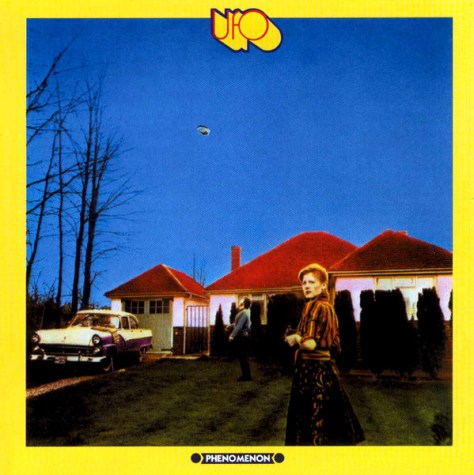
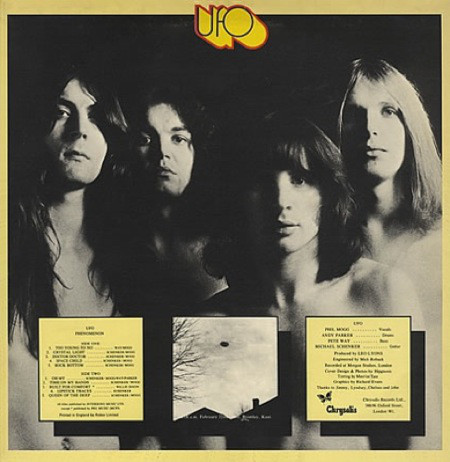
With two studio albums behind them, UFO took off in 1974 with the recruitment of the German mad axeman Michael Schenker and the release of their excellent third album Phenomenon.
The spacey tendencies of the band’s earlier work remain in the cosmic balladry of tracks like Space Child and Crystal Light and vocalist Phil Mogg shines on these mellower tracks. But Schenker shows what he can do on the album’s rockers: peppering opener Oh My with fluid leads, chugging infectiously on Doctor Doctor and offering up a veritable guitar goldmine on Rock Bottom. Side two is less memorable but contains two highlights in the majestic Queen Of The Deep and Too Young To Know: a great example of the kind of ultra-catchy storytelling rock that would become the band’s speciality.
More accomplished albums would follow and cement UFO’s place as classic rock giants but Phenomenon more than lives up to the promise of its titular billing with its raw and innocent mix of riffy, trippy boogie. It’s a big favourite of mine and has a uniquely proto-metal place in the UFO discography. Essential listening if you enjoy the early outings of Priest, Scorpions and Budgie and want to hear the development of a style that would be heard later, louder and heavier, in the output of NWOBHM bands such as Maiden, Saxon and Diamond Head.
[UFO – Queen Of The Deep]
*note that older versions have ‘Oh My’ swap sides with ‘Too Young To Know’ (also occasionally mis-spelled as ‘Too Young To No’!)
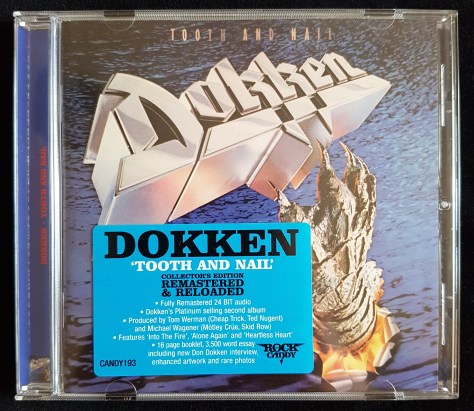
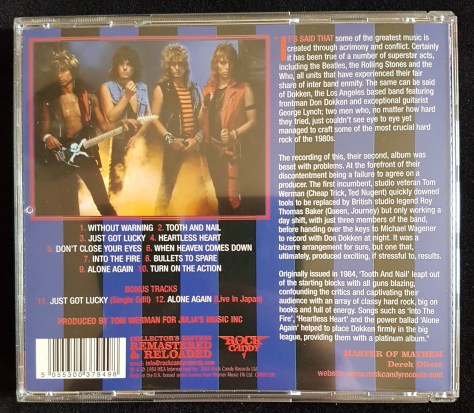
When their debut album Breaking The Chains stiffed in the US, Dokken’s record deal with Elektra was on thin ice. Backs against the wall, the band would have to fight Tooth And Nail (see what they did there?) to keep their rokken roll dream alive. But when they should have been forming a united front, the band members were fighting among themselves. Producer Tom Werman decided early on that he’d had enough and the band had to complete the record the only way they could. Separately. Guitars, drums and bass were finished up with Roy Thomas Baker during the day, while frontman Don Dokken recorded alone with Michael Wagener during the night.
Fortunately the struggling, warring band had some top notch material to draw from. Superb L.A. glam meets Ozzy/Scorpions-style Euro metal. A lush and ominous guitar intro leads into the superb thrashabout title track. Just Got Lucky and Into The Fire have humungous raunchy hooks. Alone Again is classy manfeels and When Heaven Comes Down is a heavy, stately centrepiece.
Back Cover – Rock Candy Reissue
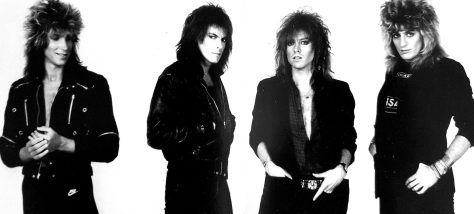
And, amazingly, considering the fractious nature of the album’s creation, it’s the raw, live vibe and delivery that is the real magic on Tooth And Nail. There’s a moment in Heartless Heart where a drum and vocal bridge suddenly explodes into harmonised arena rock heaven. It sounds like a band playing the gig of their lives, having their moment of world-beating peak performance flow. George Lynch firing off godly guitar licks left, right and centre and Don, aloof and weedy on the debut album, now generating massive sparks of excitement with committed and charismatic ease. Tearing it up in the daytime, burning it down at night, straight to the top… Tooth And Nail is the sound of a band fighting for their lives and winning heroically.
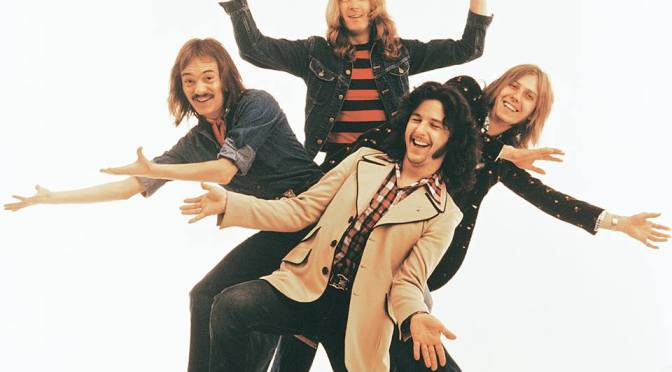
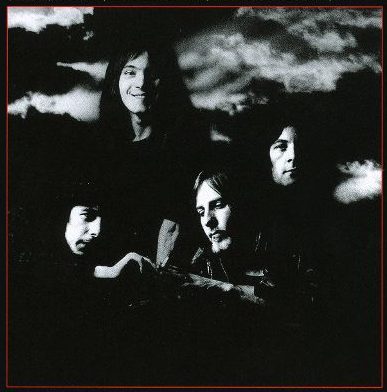
Humble Pie was one of those 70s bands that struggled to capture their magic in the studio before scoring big with a live album. But following the success of the essential Performance: Rockin’ The Fillmore they were then faced with the challenge of coming up with a satisfactory studio follow up. An even more daunting prospect given that the supergroup was now rendered considerably less “super” following the departure of founding member Peter Frampton.
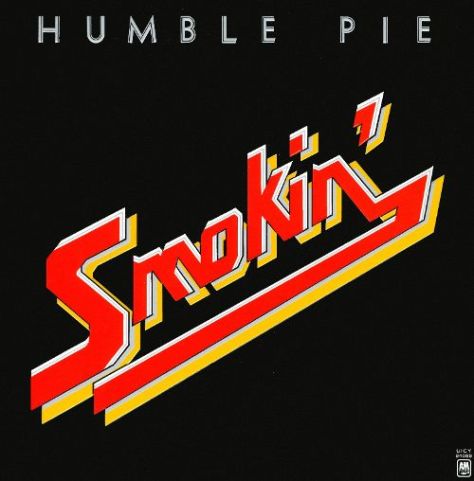
Frampton felt that the audience had decided the heavy blues rock direction that The Pie had to go in and that meant the pastoral acoustic diversity that he contributed to previous albums was no longer required. The accepted narrative is that the band’s first post-Frampton outing, 1972’s Smokin’, is a harder rocking affair but that’s only partly true. The whole album is more consistently rooted in soulful, bluesy rock but there’s still plenty of mellow diversity. So for every hard-riffing track like Fixer you get an Exile On Main Street-style rootsy outing like Old Time Feelin’.
But the standout moments of Smokin’ are undoubtedly the louder tracks. The smouldering boogie of Hot N’ Nasty, a fat riffing cover of C’Mon Everybody and the superbly greasy rocker 30 Days In The Hole are all brilliant showcases for the peerless vocal power of Steve Marriott and the guitar chemistry he forged with new recruit Clem Clempson. The mellow tracks aren’t as exciting or memorable but tracks like the Zep-blues of I Wonder impress and add crucial depth and variety.
Smokin’ lives up to its name. It’s a rockin’, feel-good time with a loose and natural production and delivery that successfully captures the band’s live prowess. A gradual, coke-fuelled decline in quality on subsequent albums makes this Humble Pie’s studio peak and ensured that the band would remain overlooked and under-rated, especially in their native UK. But fans of rootsy rockers like The Stones, The Faces and Cream (as well as more modern acolytes like The Black Crowes) should definitely check out The Pie and Smokin’ is the perfect place to start: a great band and legendary frontman at the top of their game, proving that they could rock in the studio just as well as they could in the Fillmore.
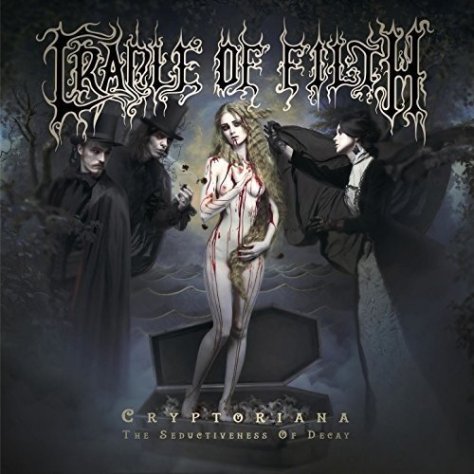
Cradle Of Filth are a British institution, one of the most recognisable and successful extreme acts to come from these shores. But, while they are loved and loathed by many, they’ve never made a huge impression on me either way. I’ve bought and enjoyed a fair few albums of theirs over the years but I’ve never had that phase where I’ve obsessed over them, where they were my band. Until now.
Although I was late getting to it, I was thoroughly impressed with 2015’s Hammer Of The Witches, and the band’s latest album continues in that vein. Themed around the Victorian obsession with death, Cryptoriana: The Seductiveness Of Decay is a darkly fabulous romp of hard-hitting gothic metal, delivered with expertise and passion. The overall approach is still the band’s patented blackened Hammer Horror style but there’s a whole wealth of approaches employed. Heartbreak And Seance’s romantic melodrama, thrash fury on Wester Vespertine, You Will Know The Lion By Its Claw’s pitch-black savagery and there are wonderful trad metal gallops and harmonies throughout (most thrillingly in The Seductiveness Of Decay). Best of all, vocalist Dani Filth puts each song over and then some: a spirited and veteran performance of considerable taste, breadth and character.
Hammer Of The Witches reached some peaks of excitement that aren’t quite reached here but its a nano-gripe about a near-flawless album. And, on the flip-side, the latest album has none of the excess that detracted from its predecessor. For all its expansive grandeur, Cryptoriana… is tight and direct. The pedal is to the metal at all times and the band’s cinematic flourishes are weaved and layered skilfully throughout the songs with no boring intros or interludes to be found. The style is familiar but the album is fresh and stakes its own unique place in their canon. An utterly wonderful release from a veteran band at the top of their game. My band.
The recent reissue of 1997’s One Second harked back to Paradise Lost’s “experimental” electro-goth era but, although the band has since returned to metal, they are no less experimental today. 2015’s The Plague Within featured the surprise reintroduction of doom/death metal and growled vocals to the band’s modern style and on their latest album Medusa the veteran band continues their increasingly extreme trajectory. This is Paradise Lost’s sludgiest, trudgiest album since 1992’s Shades Of God.
The album kicks off with Fearless Sky, Gods Of Ancient and From The Gallows. All crushing slabs of epic misery with crusty riffing, mournful harmonies and Nick Holmes’ increasingly impressive vocal snarl. Anyone expecting the UK band’s traditional melody and immediacy might find this opening trio uninviting but repeat listens prove rewarding and reveal the kind of compelling emotional depth that is the hallmark of great doom. The entire album follows in this imposingly bleak vein but, as it progresses, the band factor in Type O-style clean vocals and anthemic, gloomy hooks in songs like the stunning title track, The Longest Winter and Blood And Chaos. The skillful pacing and variation preventing the album from buckling under its own miserable weight.
Fans of the band’s earliest albums and tracks like Beneath Broken Earth from The Plague Within will find Medusa very satisfying indeed. Fans of One Second are advised to be patient. Whereas that album offered easy and immediate songcraft, it has proven a shade disposable over the years. By comparison, Medusa is a difficult album to get on with but it’s an uncompromising work of substance that will continue to repay dedicated listeners. It’s another wonderful offering in the stellar career of these fearless, ancient gods.
It’s been ten long years since Akercocke’s reign of progressive death metal terror reached a thrilling and diabolical climax with Antichrist. Although the band has lain dormant for much of the intervening decade, a vibrant scene has grown in their wake: superb “ex-Akercocke” bands like Voices, The Antichrist Imperium and Shrines forming a growing family tree that has been the source of much of my favourite music of recent years. But despite my huge love of the related bands, I’ve had a growing longing for an Ak comeback and here they are with their new album Renaissance In Extremis, the most highly-anticipated and exciting release of 2017.
Given that they reached peak Satan-worship on Antichrist, it is unsurprising that the ever-evolving British band has taken up new themes. This is a more personal and emotional Akercocke that combines topics of depression, grief and suicide with rampaging positivity and self-improvement. Complex structures and varied moods evoke the subject matter. The shimmering and colourful guitar textures would make Queensrÿche and Rush proud and it’s all given an energetic kick up the arse with an array of wonderful tech thrash riffing in tracks like Disappear and Insentience. And tracks like Unbound By Sin and First To Leave The Funeral find the band’s black/death malevolence of old is still intact.
The whole band performs with distinction, sounding sophisticated and polished but also raw and live. The riffs and guitar solos are sublime throughout: the guitar duo of Jason Mendonça and Paul Scanlan combine old and new metal styles with wonderful flair. It’s also especially good to hear Mendonça’s uniquely charismatic and varied vocals again. A couple of wobbly-pitched moments only add to the crazed, natural feel and Jason leads from the front like few extreme metal frontmen can.
There’s very little to quibble about here and this is a superb comeback album overflowing with originality and creativity. Progressive in the proper sense of the word, Akercocke have created another unique album to add to their discography. And one that has enough variety and maturity that many fans of classic metal fare may find it a gateway into a more extreme musical world. For those of us that already reside in that world, Akercocke’s Renaissance In Extremis is a joyous and welcome return, wholly deserving of the most diabolical and infernal praise.






 HEAVY METAL OVERLOAD