Tag Archives: English

Iron Maiden – Brighter Than A Thousand Suns (Song Review)

“Cold fusion of fury”

Iron Maiden’s 2006 album A Matter Of Life And Death proved that the British metal veterans were still an act to be reckoned with, delivering some of their most vital and creative material for years. No track illustrated this better than album highlight Brighter Than A Thousand Suns. Making great use of a churningly tense and ominous time signature, it’s one of Maiden’s proggiest and heaviest songs. Frontman Bruce Dickinson goes all Van Der Graaf Generator with dark, coded lyrics that depict the dawn of the nuclear age (and the influence is made crystal clear with a lyrical nod to the VDGG track Whatever Would Robert Have Said?) Musically there’s a Rush-like feel with the band twisting and turning through a range of moody, tricky sections. And Dickinson responds to the song’s dynamic shifts with a vocal performance that builds in intensity in a breathtaking and explosive way. Brighter Than A Thousand Suns is a track that is stylistically uncharacteristic for the band but, in terms of theatrics and excitement, has all the spirit of Maiden at their most classic.

Fist – Name, Rank & Serial Number (Song Review)

“Now tell me the positions of your guns and armoured forces”

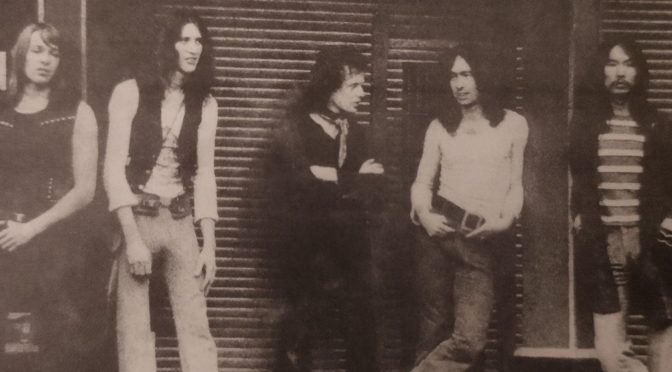
The debut single from South Tyneside’s Fist, this darkly amusing track depicts a military interrogation from the point of view of a stymied torturer who, despite his best efforts, can only obtain his captive’s Name, Rank & Serial Number. It’s a fantastically vibrant and catchy track. In particular, Keith Satchfield (who sadly passed away in early 2025) deserves a medal for his infectious, rhythmic vocals and inventive lyrics. Fist’s recording career ended up all too brief but in that short run they released some of the best tracks of the whole NWOBHM era. On Name, Rank & Serial Number, Fist managed the rare feat of being classic and definitive while also being startlingly original.

Bad Company – Bad Company (Album Review)

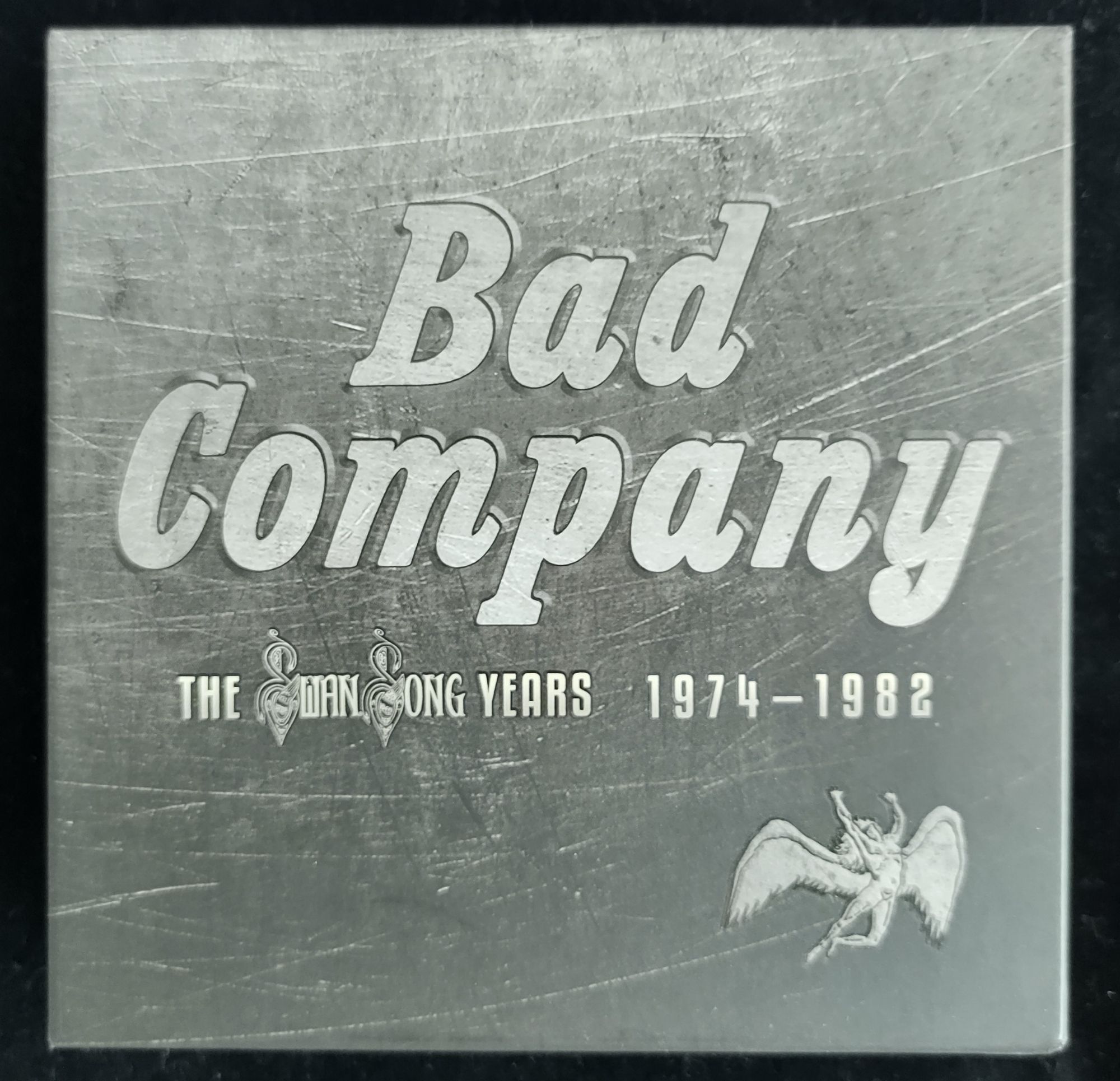
Bad Company – Bad Company (Island/Swan Song – 1974)

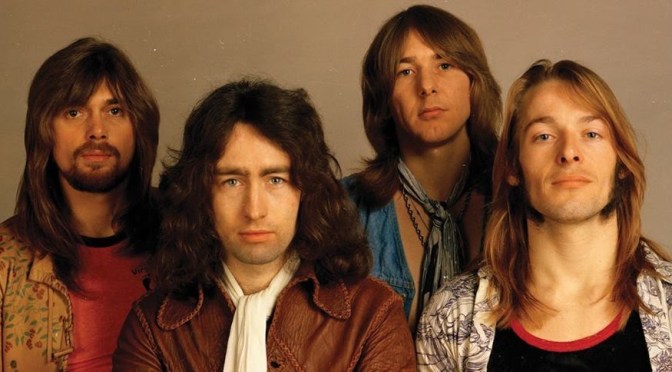
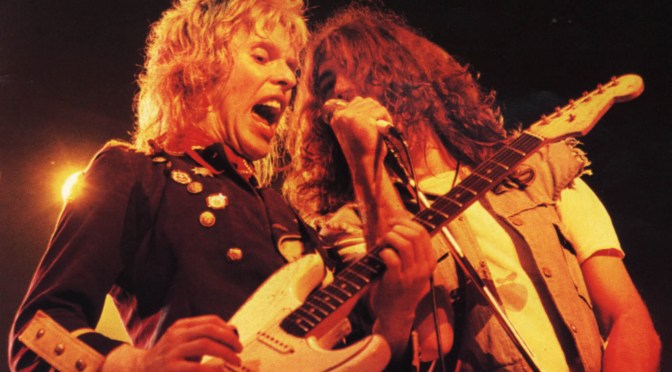
When I think of the term “supergroup”, Bad Company are one of the first bands that spring to mind. With their 1974 self-titled debut album, they absolutely lived up to that billing. The British group featured two former members of Free and their unfussy, soulful rock picks up where Free left off but in a more feelgood, riff-based, rock ‘n’ roll mode courtesy of ex-Mott The Hoople guitarist Mick Ralphs. And Ralphs ensured they achieved mega success by penning the ingeniously simple single Can’t Get Enough, a cruising and carefree radio staple. Not to be outdone, vocalist Paul Rodgers chipped in the album’s masterful title track, a thoroughly stirring mix of ghostly atmosphere and outlaw manliness. Other highlights include the priapic proto-Whitesnake Rock Steady and a sublimely classy remake of Mott’s Ready For Love. Bad Company were having too good a time to infuse the album’s ballads with anything near the emotional heavy load that Free conjured but tracks like The Way I Choose have proven to be growers over decades of listening and are great vehicles for Rodgers’ smooth vocals. The whole album sounds ballsy and beautiful, especially Ralphs’ creamy guitar tones. Bad Company is the cool, confident and timeless sound of talented musicians revelling in a newfound personal and creative chemistry. When I think of the term “classic rock” Bad Company is one of the first albums that springs to mind.

HMO salutes Mick Ralphs who recently passed away, aged 81.

(Bad Company 2CD deluxe edition from 2015)

You can get this album and more on this box set too!

Gillan – No Easy Way (Song Review)

“You are so lovely, you are so beautiful”

There’s no easy way to shake off sorrow but listening to this classic Gillan tune, from 1980’s thumping Glory Road album, is guaranteed to blow away the blues. Gillan were a monster band and on No Easy Way they are at their boisterous, swaggering best. Guitarist Bernie Tormé runs riot all over this, unleashing a chaotic torrent of guitar to kick things off and then livening up the whole track with all sorts of howling bends and bombs. “Let it all pass by” is a bit of classic Ian Gillan life philosophy and he’s on brilliant rock ‘n’ rolling form here too. The sweet way he sings the quiet middle section is a wonderfully heartwarming bit of emotional connection.

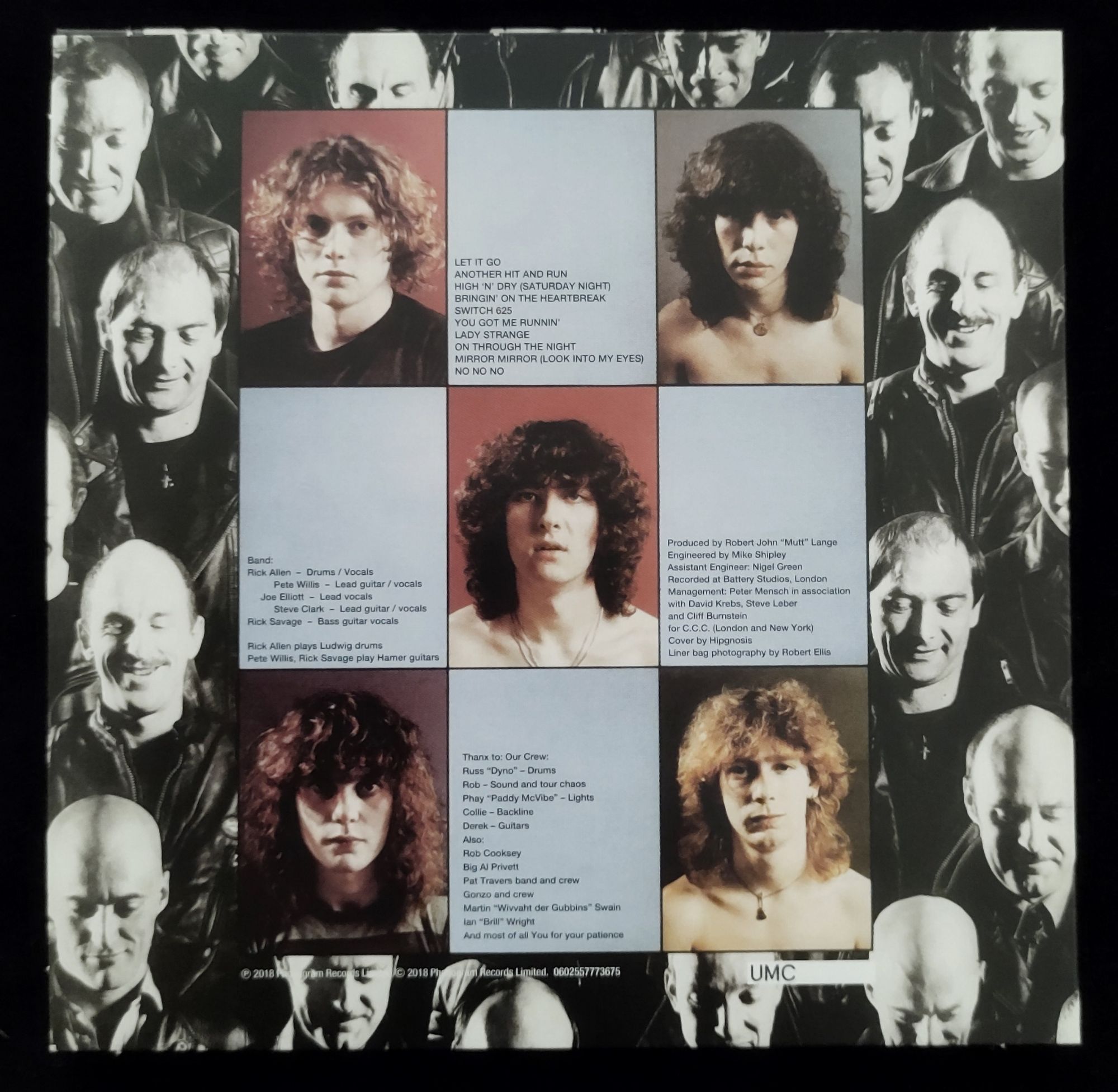
Def Leppard – High ‘n’ Dry (Album Review)

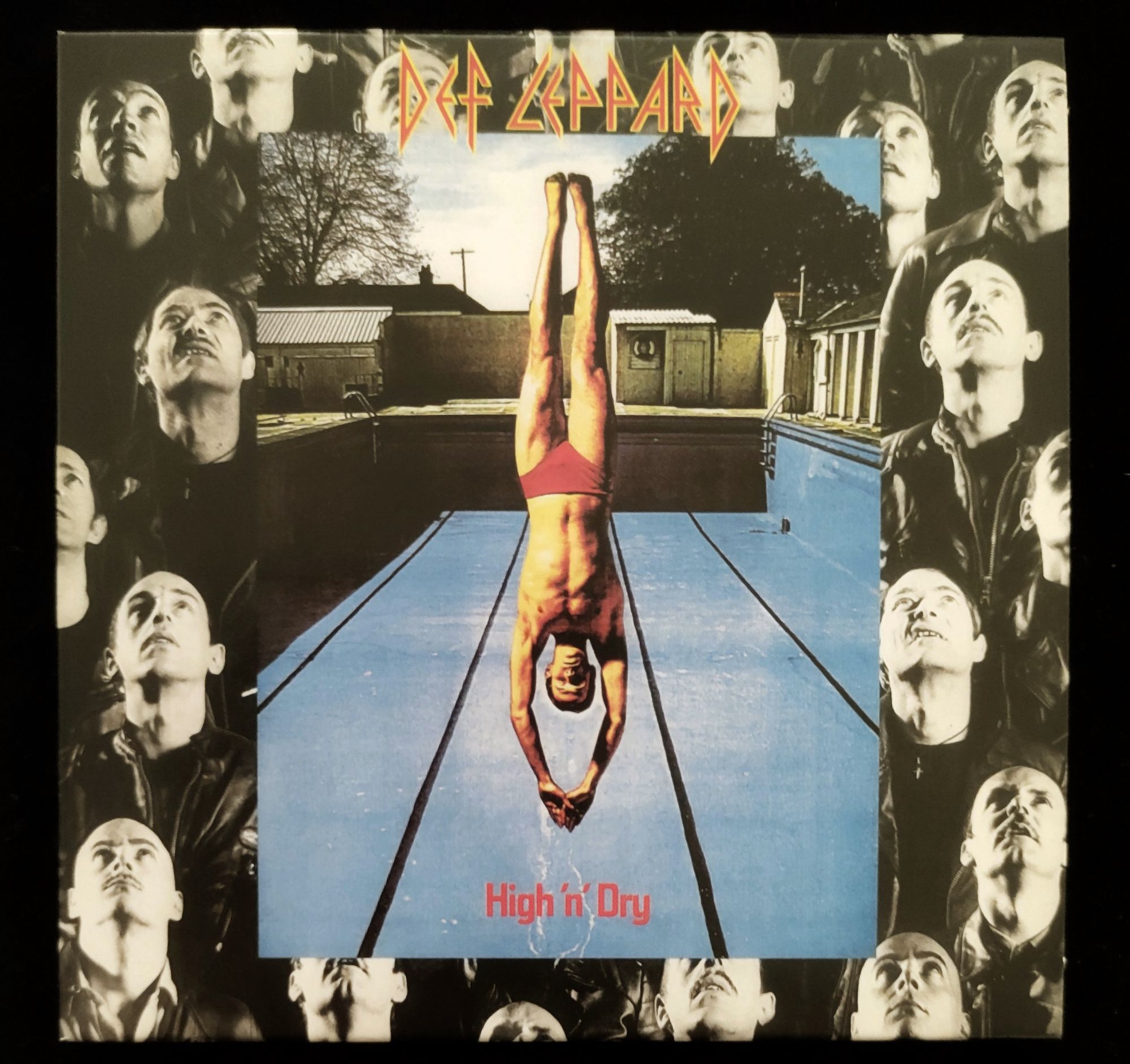
Def Leppard – High ‘n’ Dry (1981 – Vertigo)

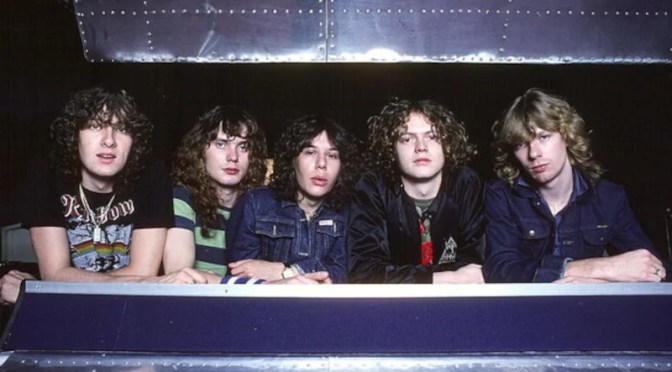
With sought-after producer Mutt Lange cracking the whip, Def Leppard transitioned from plucky NWOBHM up-and-comers to genuine big-league challengers with their second album, 1981’s High ‘n’ Dry. The surging Let It Go, the taut Mirror, Mirror (Look Into My Eyes) and the tough ballad Bringin’ On The Heartbreak all pointed towards the band’s subsequent mega-success. But the whole album was full of songs like You Got Me Runnin’ and Lady Strange which inexplicably remain deep cuts despite being in the top-tier of the band’s discography. Although it wouldn’t be the album to catapult the Leps to fame, High ‘n’ Dry is the most consistently and credibly hard-hitting record of their career: lean and mean British metal with gleaming production, anthemic harmony choruses and a slew of killer guitar riffs and heroic soloing from the album’s M.V.P.s Steve Clark and Pete Willis.

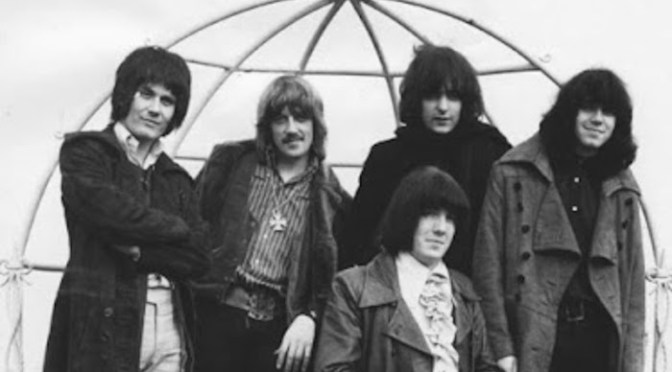
Deep Purple – Mandrake Root (Song Review)

“It’s some thunder in my brain”

Deep Purple’s 1968 debut Shades Of Deep Purple has only a hint of the explosive contribution that Purple would make to metal’s birth a couple of years later but it can be heard clearly and excitingly on the album’s Side-B opener Mandrake Root. It’s a great, funky rocker that makes sterling use of the E7#9 “Hendrix” chord and some raunchy crooning from the band’s normally mild-mannered original singer Rod Evans. But it’s when the band launch into a short bass-propelled instrumental freak out that sparks start to fly. In their live sets the band would use this track to launch into huge jamming extravaganzas. Here, it’s kept fairly brief but it still allows the band to tap into the sonic danger that they would become known for. Guitarist Ritchie Blackmore, a tentative presence on the rest of the album, blasts out some violent, noisy tremolo abuse that is the record’s strongest shade of the Deep Purple we all know and love.

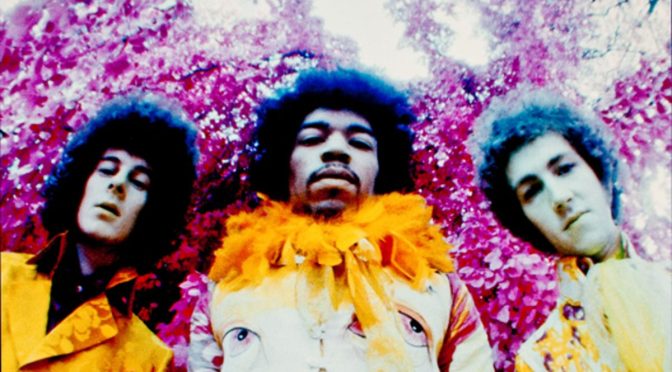
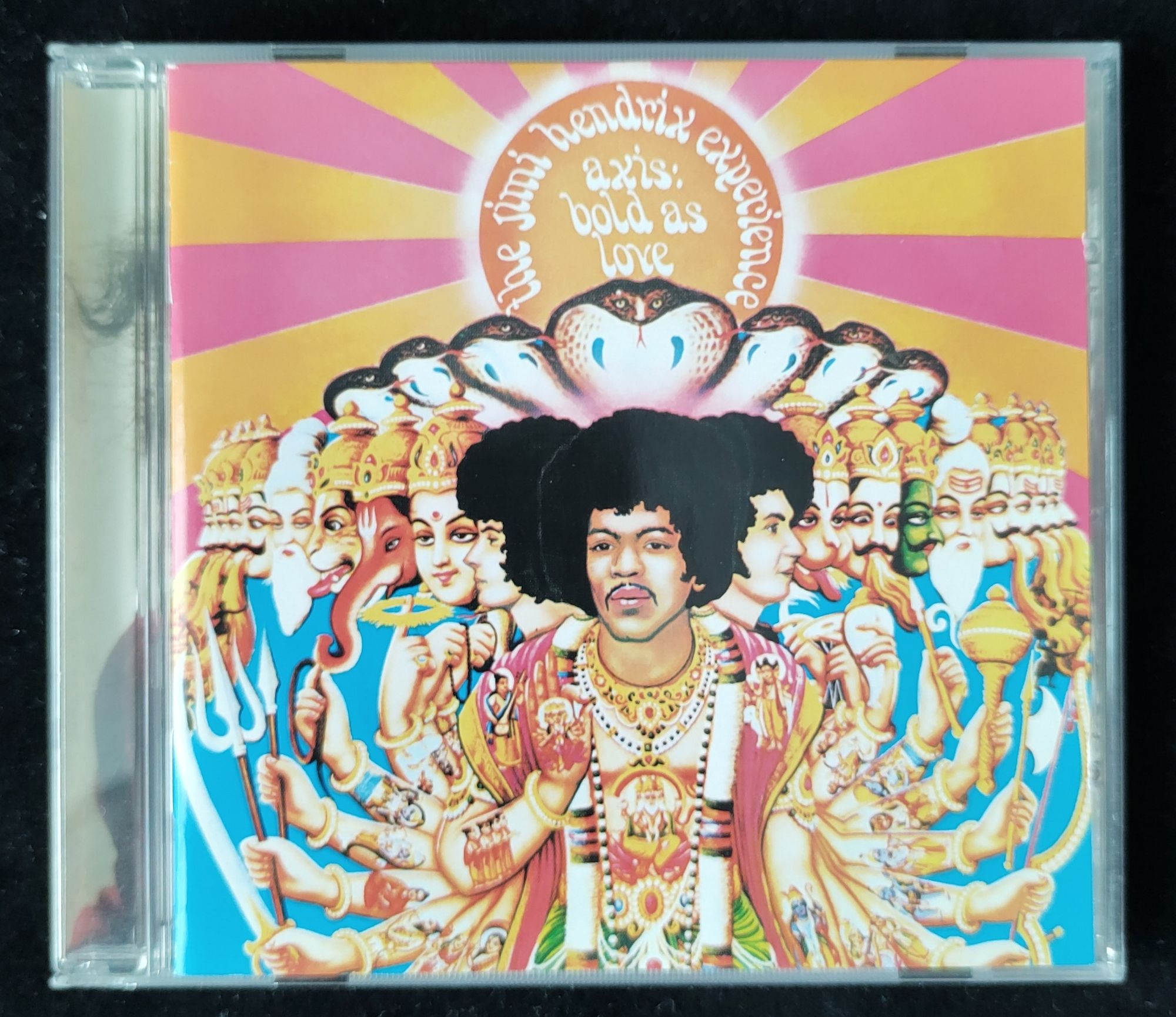
The Jimi Hendrix Experience – Axis: Bold As Love (Album Review)

The Jimi Hendrix Experience – Axis: Bold As Love (Polydor/Track – 1967)

I went through a period of being obsessed with Axis: Bold As Love when I was a teenager, listening to it nearly every night. I don’t listen to it anywhere near that much now but it’s still my favourite studio album from The Jimi Hendrix Experience. Mainly due to the wonderful sonic tapestries Hendrix creates on colourful psychedelic tracks like Bold As Love, One Rainy Wish, Castles Made Of Sand and the timeless Little Wing. They’re all masterpieces and, as a budding guitar player, I found Hendrix’s playing and guitar tones fascinating and inspiring. If all that wasn’t enough there’s also the essential proto-metal of Spanish Castle Magic and If Six Was Nine: two of Hendrix’s, and therefore 1967’s, heaviest tracks.

My Dying Bride – The Cry Of Mankind (Song Review)

“You can’t expect to see him and survive”

On The Cry Of Mankind, Yorkshire’s My Dying Bride take an extremely simple but eerie guitar motif and build a monumentally dark, symphonic beast of a song out of it. It’s a masterpiece that manages to remain refined and elegant while still filling you with existential dread. And, as if the song proper wasn’t already crushing enough, The Cry Of Mankind‘s final minutes just let that six-note motif run on. But this time overlaying it with a haunting choir and the bellow of a foghorn so unsettling and otherworldly it feels like the last thing you might ever hear.

Cathedral – The Carnival Bizarre (Album Review)

Cathedral – The Carnival Bizarre (Earache Records – 1995)

Cathedral sound like they’re having a blast on 1995’s The Carnival Bizarre which is remarkable because a) you don’t normally associate bowel-loosening doom with good times and b) the band were just coming out of a frustrating stint as a major label act that resulted in the departure of talented guitarist Adam Lehan. But the band’s remaining guitarist Gaz Jennings takes up the slack on Cathedral’s third album, delivering a masterclass in doom riffing Sab-otage. The opening three tracks Vampire Sun, Hopkins (The Witchfinder General) and Utopian Blaster are Cathedral at their most entertaining and crushing but the rest of the album is thoroughly enjoyable with a playful array of superb deep cuts like the eerie Night Of The Seagulls and the tuneful Inertia’s Cave. And fans of Lee Dorrian’s exuberant and irreverent vocal interjections will not be disappointed either. Huggy Bear? Ohhh yeah.

Limited Edition CD/DVD Version

Judas Priest – Killing Machine (Album Review)

Judas Priest – Killing Machine (CBS – 1978)

I’m cranking the hi-fi high today for my favourite Judas Priest album: 1978’s Killing Machine. Alternatively titled Hell Bent For Leather in some countries, Killing Machine continued the band’s impossibly superb run of metal-defining 70s albums and was their most red-blooded and raunchy release to date. Alongside megaton leviathans like the resolute Delivering The Goods, the turbo-charged Hell Bent For Leather and tough, direct rockers like Running Wild are songs like the glam stomper Take On The World and the wonderfully wistful Evening Star that managed to simultaneously evolve and simplify Priest’s style without diluting their lethal state-of-the-art metal godliness.