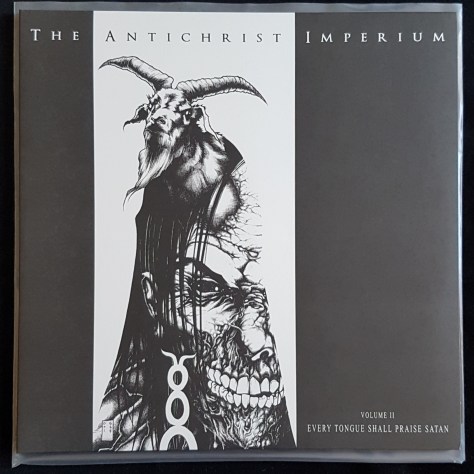
The Antichrist Imperium – Volume II: Every Tongue Shall Praise Satan (2018 – CD Version)
The Devil rides out once more as The Antichrist Imperium follow up their 2015 debut with this second volume of unrelenting Satan worship. Of all the members of the sprawling Akercocke family tree, The Antichrist Imperium’s death metal sticks closest to the parent band’s legacy of progressive, debauched, blast-furnace goat homage.
And for the first three tracks of Volume II: Every Tongue Shall Praise Satan, blast-furnace goat homage is exactly what you get. A bit of diminishing returns starts to creep in here but once the album settles into a more adventurous mode with the sumptous Liturgy Of The Iconoclast/Blood Sacrifice it never looks back. Golgothan Heiros Gamos is occult ecstasy and Sermon Of Small Faith is an epic, joyous closer. Top marks to guitarist Matt Wilcock and drummer David Gray for whirling like dervishes throughout and the twin vocalists Sam Bean and Sam Loynes conjure up an increasingly captivating vocal chemistry.
It’s great stuff so fans of blasphemous and seductive evil metal should pee on a pentagram, leave it for three days, and pray for a third outing. Everyone else? Salt and mercury… effective against the dark forces.
The Antichrist Imperium – Volume II: Every Tongue Shall Praise Satan (2018 – Vinyl Version)
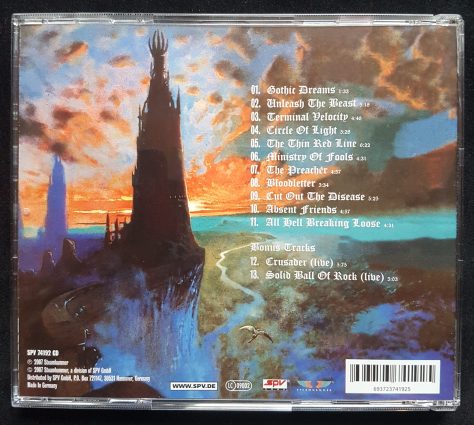
Unleash The Beast, Saxon’s thirteenth studio album and the first to feature the band’s current line-up, finds the band dialling up the kind of heaviness previously hinted at on older tracks like Altar Of The Gods, Battle Cry and Dogs Of War.
As usual for Saxon, this 1997 album’s big classic is the title-track: a brilliant thrasher with a chorus hewn from pure gold. But the harder edge comes at the expense of the band’s usual chemistry and charisma. The serious mood fits songs like the dark, grooving Cut Out The Disease and the moody, slow-burner The Preacher. But songs like Ministry Of Fools and The Thin Red Line fall strangely flat when they should be uplifting. The driving Terminal Velocity, uncannily catchy Circle Of Light and vigorously rowdy All Hell’s Breaking Loose inject much-needed sparks of excitement but can’t quite lift the album into the classic zone.
Its po-faced proficiency makes it one to appreciate rather than love but Saxon’s consistency and focus impresses and this was a crucial album for them. As well as unleashing the beast, they ushered in a new era, finding a style and purpose that would restore their credibility and serve them well for years to come. The story of modern Saxon starts here.
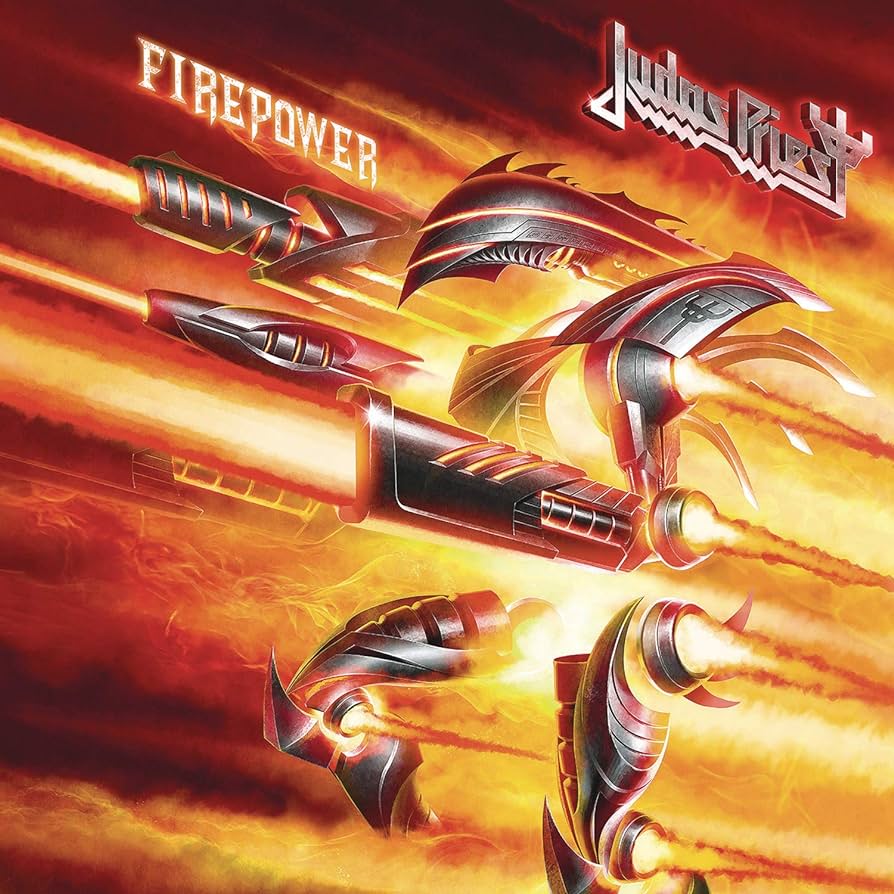
With Black Sabbath calling it a day in 2017, Judas Priest are now one of the oldest metal bands still on the go. They’re one of the genre’s most definitive, influential and original acts. But they’ve also been dogged by consistency problems for decades, making any new release equal parts exciting and fraught. While dodgy production and some weak songwriting hampered 2014’s Redeemer Of Souls it was promising enough to leave me hopeful that better was yet to come. And so it has proved, these old dudes are sounding pretty potent on their latest album Firepower.
The most obvious improvement is the album’s crisp, classic production, but the band’s performance is more assured too: the solos build excitement and Rob Halford is on commanding vocal form. The excellent opening title track and Lightning Strike immediately give this album the edge over its predecessor.
But the songwriting is still not totally consistent. Being more of a fan of melodic Priest like Desert Plains, I prefer the more anthemic tracks like Rising From Ruins and Never The Heroes and find the more hammering Painkiller-type tracks like Necromancer and Flamethrower too clunky. But all the songs have their moments and the varied tempo and style keeps the album engaging. And the band aren’t too long in the tooth to progress either: the doom-laden Children Of The Sun, malevolent Spectre and the raunchy Lone Wolf adding new flavours to the band’s style.
Firepower doesn’t quite have the audacity or vitality to put it in the top tier of the band’s discography but it is their best and most cohesive release in aeons. At a time when many older acts are bowing out or resting on their laurels, Priest’s impressive dedication to forging ahead keeps them at the forefront of the genre. Still metal gods, still defenders of the faith, still delivering the goods.
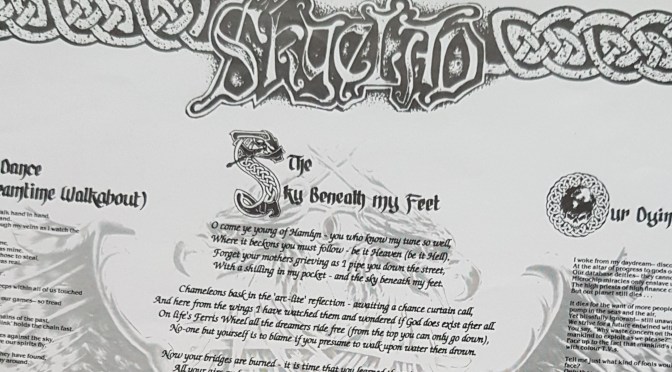
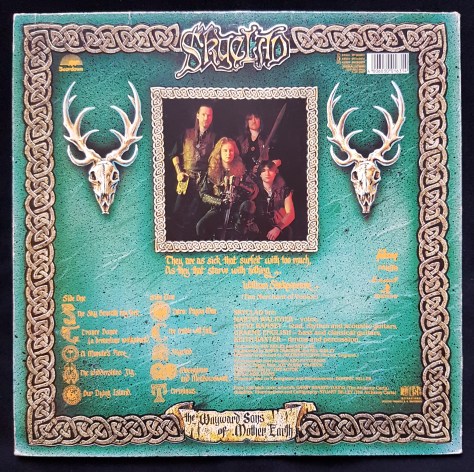
The departure of Martin Walkyier from superb UK thrashers Sabbat was a major disappointment but the talented frontman wasted no time, forming a new band Skyclad with members of Satan and Pariah. Their 1991 debut album TheWayward Sons Of Mother Earth had plenty of the Ye Olde thrash Martin was known for but innovated with its incorporation of folk elements. And lo, a new genre – folk metal – started right here.
Martin delivers his caustic rants on social justice and ecological doom with raging charisma, backed by Steve Ramsey’s powerful and deft guitar work. There are huge thrash hooks in songs like The Cradle Will Fall (I am human!) and gothic closer Terminus but the band’s dark, dense Euro thrash does get fatiguing at times and the album is at its creative best during its folkier moments. The Widdershins Jig is a jaunty highlight (with a riff surely inspired by children’s TV show The Riddlers), Moongleam and Meadowsweet is beautifully lush (with gorgeous guest guitar from Sting’s Dominic Miller) and dramatic bursts of violin liven up thrashers like Sky Beneath My Feet and Our Dying Island.
The Wayward Sons Of Mother Earth’s combination of labyrinthine thrash and pagan textures has proved remarkably durable over the years. More notable and eclectic offerings were to come, as Skyclad followed their prolific, fiddle-mad muse to become one of the most unique and influential British metal bands of the 90s. But the debut has a uniquely apocalyptic appeal that still makes it a go-to in the band’s impressive discography. Not a perfect debut but an attention-grabbing and adventurous one.
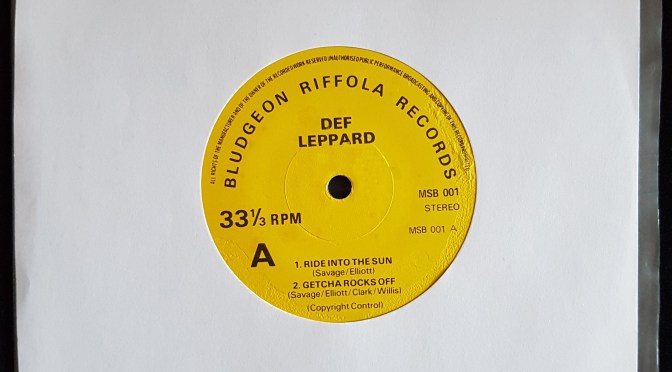
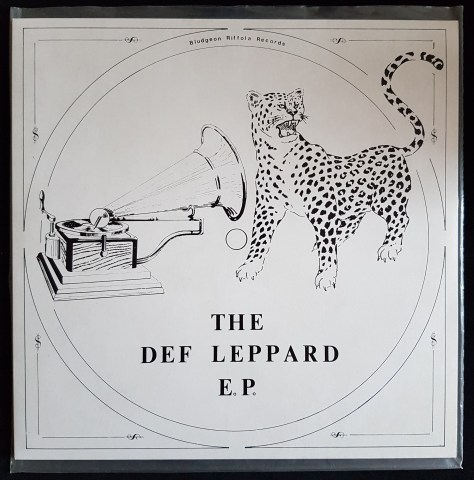
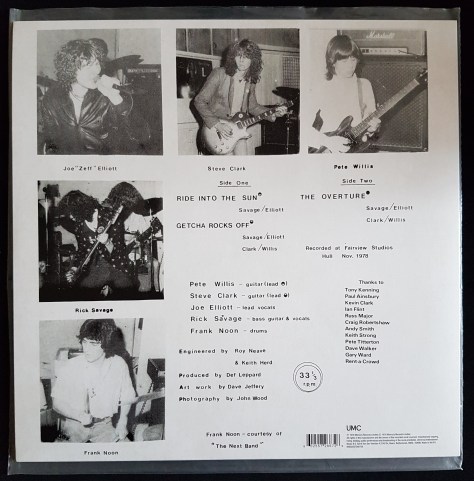
Def Leppard roared onto the UK metal scene with this self-titled EP. Hard to imagine now, but the squillion-selling stars of Hysteria fame had to release this on their own label Bludgeon Riffola after paying for the recording with borrowed money and recording it with borrowed drummer, Frank Noon. It was the kind of DIY move that became a big factor in the growing New Wave of British Heavy Metal and The Def Leppard EP put the Sheffield band right at the forefront of the movement. Before the term NWOBHM had even been coined!
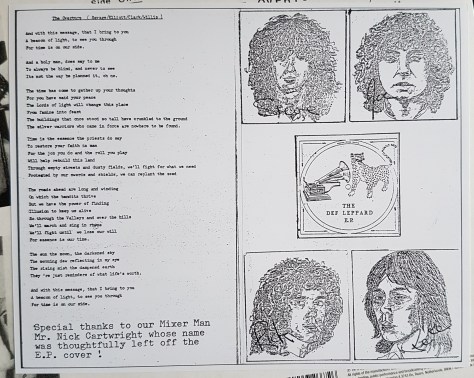
Released in January 1979 the EP features early versions of Ride Into The Sun, Getcha Rocks Off and The Overture: all songs that would be re-recorded later, with varying results. A later Hysteria-era remake of Ride Into The Sun improved on the original’s clunky vocals but that bouncy riff is still killer here and it’s fun to hear Lep in such naïve form. Getcha Rocks Off and The Overture would appear again on the band’s debut album On Through The Night but these are the definitive takes with their lively hot-of-the-press feel. The Overture in particular is a highlight, top epic-metal cobblers that puts the album version in the shade.
Zeff?
None of this is going to blow you away but it’s a fun, interesting listen and must-have for Lep fans. It’s been released in various vinyl editions that might set you back now but it has just been made available digitally for the first time EVER so there has never been a better time to getcha rocks off with this excellent piece of metal history.
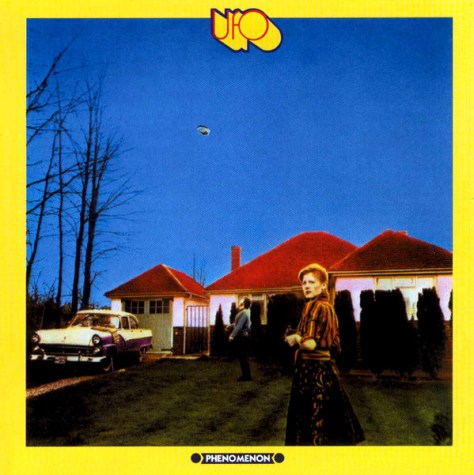
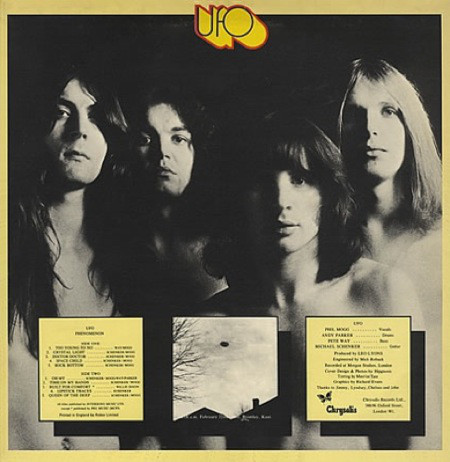
With two studio albums behind them, UFO took off in 1974 with the recruitment of the German mad axeman Michael Schenker and the release of their excellent third album Phenomenon.
The spacey tendencies of the band’s earlier work remain in the cosmic balladry of tracks like Space Child and Crystal Light and vocalist Phil Mogg shines on these mellower tracks. But Schenker shows what he can do on the album’s rockers: peppering opener Oh My with fluid leads, chugging infectiously on Doctor Doctor and offering up a veritable guitar goldmine on Rock Bottom. Side two is less memorable but contains two highlights in the majestic Queen Of The Deep and Too Young To Know: a great example of the kind of ultra-catchy storytelling rock that would become the band’s speciality.
More accomplished albums would follow and cement UFO’s place as classic rock giants but Phenomenon more than lives up to the promise of its titular billing with its raw and innocent mix of riffy, trippy boogie. It’s a big favourite of mine and has a uniquely proto-metal place in the UFO discography. Essential listening if you enjoy the early outings of Priest, Scorpions and Budgie and want to hear the development of a style that would be heard later, louder and heavier, in the output of NWOBHM bands such as Maiden, Saxon and Diamond Head.
[UFO – Queen Of The Deep]
*note that older versions have ‘Oh My’ swap sides with ‘Too Young To Know’ (also occasionally mis-spelled as ‘Too Young To No’!)
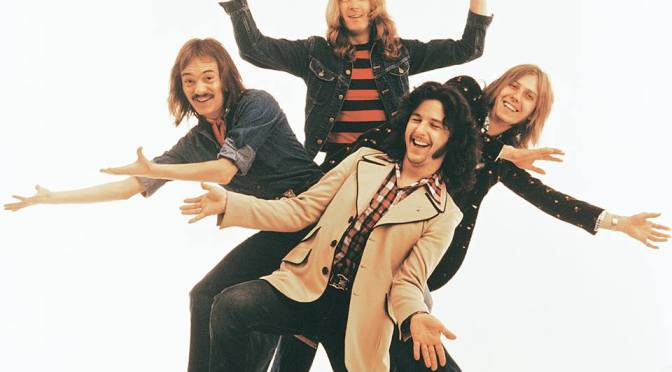
Humble Pie was one of those 70s bands that struggled to capture their magic in the studio before scoring big with a live album. But following the success of the essential Performance: Rockin’ The Fillmore they were then faced with the challenge of coming up with a satisfactory studio follow up. An even more daunting prospect given that the supergroup was now rendered considerably less “super” following the departure of founding member Peter Frampton.
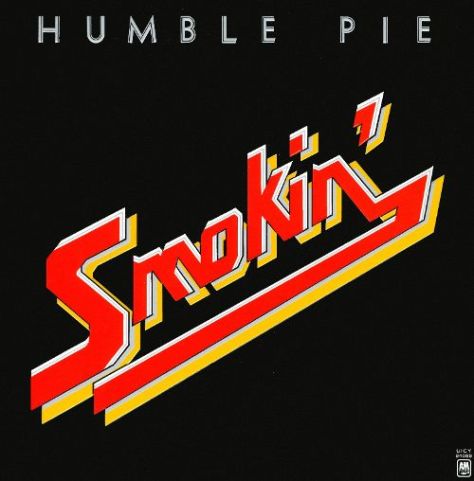
Frampton felt that the audience had decided the heavy blues rock direction that The Pie had to go in and that meant the pastoral acoustic diversity that he contributed to previous albums was no longer required. The accepted narrative is that the band’s first post-Frampton outing, 1972’s Smokin’, is a harder rocking affair but that’s only partly true. The whole album is more consistently rooted in soulful, bluesy rock but there’s still plenty of mellow diversity. So for every hard-riffing track like Fixer you get an Exile On Main Street-style rootsy outing like Old Time Feelin’.
But the standout moments of Smokin’ are undoubtedly the louder tracks. The smouldering boogie of Hot N’ Nasty, a fat riffing cover of C’Mon Everybody and the superbly greasy rocker 30 Days In The Hole are all brilliant showcases for the peerless vocal power of Steve Marriott and the guitar chemistry he forged with new recruit Clem Clempson. The mellow tracks aren’t as exciting or memorable but tracks like the Zep-blues of I Wonder impress and add crucial depth and variety.
Smokin’ lives up to its name. It’s a rockin’, feel-good time with a loose and natural production and delivery that successfully captures the band’s live prowess. A gradual, coke-fuelled decline in quality on subsequent albums makes this Humble Pie’s studio peak and ensured that the band would remain overlooked and under-rated, especially in their native UK. But fans of rootsy rockers like The Stones, The Faces and Cream (as well as more modern acolytes like The Black Crowes) should definitely check out The Pie and Smokin’ is the perfect place to start: a great band and legendary frontman at the top of their game, proving that they could rock in the studio just as well as they could in the Fillmore.
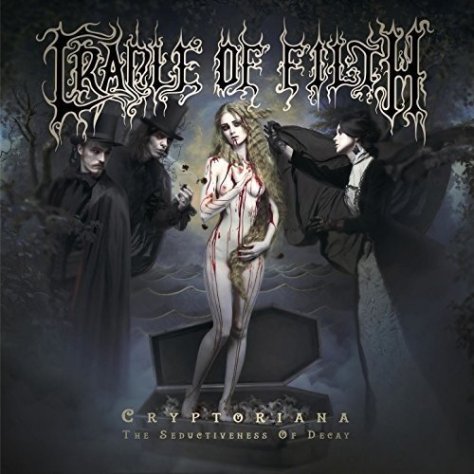
Cradle Of Filth are a British institution, one of the most recognisable and successful extreme acts to come from these shores. But, while they are loved and loathed by many, they’ve never made a huge impression on me either way. I’ve bought and enjoyed a fair few albums of theirs over the years but I’ve never had that phase where I’ve obsessed over them, where they were my band. Until now.
Although I was late getting to it, I was thoroughly impressed with 2015’s Hammer Of The Witches, and the band’s latest album continues in that vein. Themed around the Victorian obsession with death, Cryptoriana: The Seductiveness Of Decay is a darkly fabulous romp of hard-hitting gothic metal, delivered with expertise and passion. The overall approach is still the band’s patented blackened Hammer Horror style but there’s a whole wealth of approaches employed. Heartbreak And Seance’s romantic melodrama, thrash fury on Wester Vespertine, You Will Know The Lion By Its Claw’s pitch-black savagery and there are wonderful trad metal gallops and harmonies throughout (most thrillingly in The Seductiveness Of Decay). Best of all, vocalist Dani Filth puts each song over and then some: a spirited and veteran performance of considerable taste, breadth and character.
Hammer Of The Witches reached some peaks of excitement that aren’t quite reached here but its a nano-gripe about a near-flawless album. And, on the flip-side, the latest album has none of the excess that detracted from its predecessor. For all its expansive grandeur, Cryptoriana… is tight and direct. The pedal is to the metal at all times and the band’s cinematic flourishes are weaved and layered skilfully throughout the songs with no boring intros or interludes to be found. The style is familiar but the album is fresh and stakes its own unique place in their canon. An utterly wonderful release from a veteran band at the top of their game. My band.
The recent reissue of 1997’s One Second harked back to Paradise Lost’s “experimental” electro-goth era but, although the band has since returned to metal, they are no less experimental today. 2015’s The Plague Within featured the surprise reintroduction of doom/death metal and growled vocals to the band’s modern style and on their latest album Medusa the veteran band continues their increasingly extreme trajectory. This is Paradise Lost’s sludgiest, trudgiest album since 1992’s Shades Of God.
The album kicks off with Fearless Sky, Gods Of Ancient and From The Gallows. All crushing slabs of epic misery with crusty riffing, mournful harmonies and Nick Holmes’ increasingly impressive vocal snarl. Anyone expecting the UK band’s traditional melody and immediacy might find this opening trio uninviting but repeat listens prove rewarding and reveal the kind of compelling emotional depth that is the hallmark of great doom. The entire album follows in this imposingly bleak vein but, as it progresses, the band factor in Type O-style clean vocals and anthemic, gloomy hooks in songs like the stunning title track, The Longest Winter and Blood And Chaos. The skillful pacing and variation preventing the album from buckling under its own miserable weight.
Fans of the band’s earliest albums and tracks like Beneath Broken Earth from The Plague Within will find Medusa very satisfying indeed. Fans of One Second are advised to be patient. Whereas that album offered easy and immediate songcraft, it has proven a shade disposable over the years. By comparison, Medusa is a difficult album to get on with but it’s an uncompromising work of substance that will continue to repay dedicated listeners. It’s another wonderful offering in the stellar career of these fearless, ancient gods.
It’s been ten long years since Akercocke’s reign of progressive death metal terror reached a thrilling and diabolical climax with Antichrist. Although the band has lain dormant for much of the intervening decade, a vibrant scene has grown in their wake: superb “ex-Akercocke” bands like Voices, The Antichrist Imperium and Shrines forming a growing family tree that has been the source of much of my favourite music of recent years. But despite my huge love of the related bands, I’ve had a growing longing for an Ak comeback and here they are with their new album Renaissance In Extremis, the most highly-anticipated and exciting release of 2017.
Given that they reached peak Satan-worship on Antichrist, it is unsurprising that the ever-evolving British band has taken up new themes. This is a more personal and emotional Akercocke that combines topics of depression, grief and suicide with rampaging positivity and self-improvement. Complex structures and varied moods evoke the subject matter. The shimmering and colourful guitar textures would make Queensrÿche and Rush proud and it’s all given an energetic kick up the arse with an array of wonderful tech thrash riffing in tracks like Disappear and Insentience. And tracks like Unbound By Sin and First To Leave The Funeral find the band’s black/death malevolence of old is still intact.
The whole band performs with distinction, sounding sophisticated and polished but also raw and live. The riffs and guitar solos are sublime throughout: the guitar duo of Jason Mendonça and Paul Scanlan combine old and new metal styles with wonderful flair. It’s also especially good to hear Mendonça’s uniquely charismatic and varied vocals again. A couple of wobbly-pitched moments only add to the crazed, natural feel and Jason leads from the front like few extreme metal frontmen can.
There’s very little to quibble about here and this is a superb comeback album overflowing with originality and creativity. Progressive in the proper sense of the word, Akercocke have created another unique album to add to their discography. And one that has enough variety and maturity that many fans of classic metal fare may find it a gateway into a more extreme musical world. For those of us that already reside in that world, Akercocke’s Renaissance In Extremis is a joyous and welcome return, wholly deserving of the most diabolical and infernal praise.





 HEAVY METAL OVERLOAD