Tag Archives: English

Iron Maiden – Iron Maiden (Album Review)

Iron Maiden – Iron Maiden (1980)

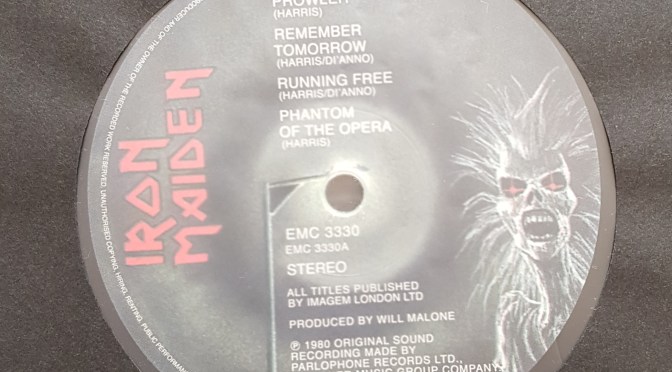
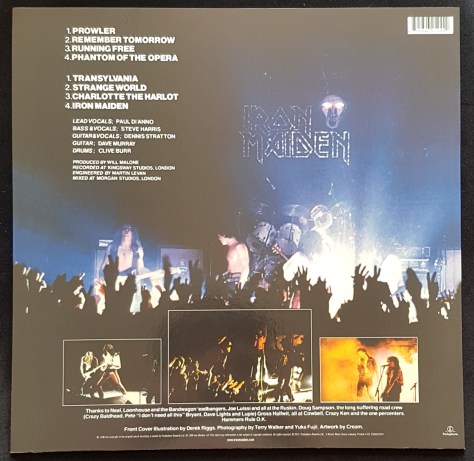
He was the lurking, shadowy menace on the cover of Iron Maiden’s first single Running Free and now wwoooaarghh… here’s Eddie! The band’s undying, murderous mascot was finally revealed in his full glory on the front of their self-titled debut album. His ghoulish presence amidst London’s grubby bins, doorways and streetlights perfectly evoking the rough, dangerous music on this NWOBHM classic. Iron Maiden sounds like it wants to jump you in an alleyway and cut your face. Gritty and aggressive tunes like Prowler, Transylvania and Iron Maiden taking the metal pioneered by Priest and Rainbow to a new level of raw intensity. And guided by bassist/songwriter/Genesis fan Steve Harris, there’s also plenty of ambition and excitement in the extended structures of tracks like the lucozade-powered Phantom Of The Opera. These days I gravitate to the Hendrix-y mellowness of Remember Tomorrow and Strange World but all the songs on this album have been a favourite at one point or another. The whole band impress but Paul Di’Anno’s raucous vocals and Harris’ forceful basslines deserve special mentions. The band members still whinge about the gnarly production but nobody else gives a flying fuck. Iron Maiden wants you for dead and if this album doesn’t get your blood flowing, you might as well be.
Motörhead – Motörhead (Album Review)

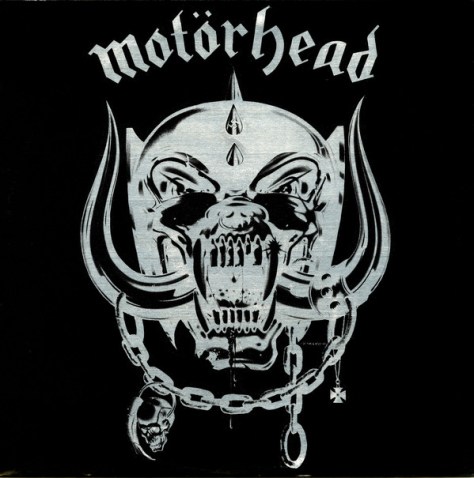
Motörhead – Motörhead (1977)

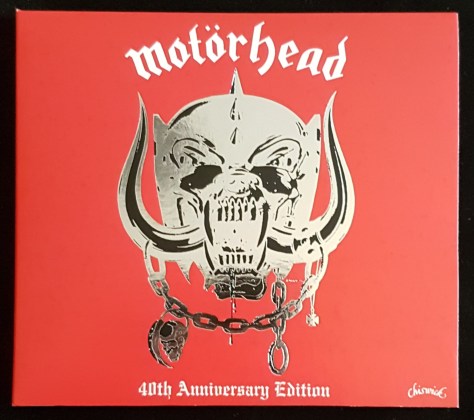
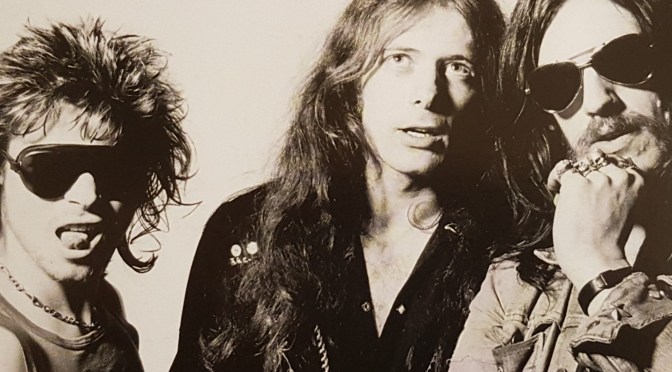
The legendary Lemmy/Philthy/Fast Eddie lineup of Motörhead roars into life on their 1977 self-titled debut, sounding every bit the skint, pissed off, ne’er-do-wells they were. Over 40 years later Motörhead is still an impressively belligerent noise. It captures the band at the point where they were dubbed “the worst band in the world” (and couldn’t have cared less). The title track is a thunderous biker anthem and Iron Horse/Born To Lose, White Line Fever and Keep Us On The Road are low-down and mean rackets. The band’s everything-louder-than-everything-else chemistry is already thrillingly volatile but the hurried recording sessions didn’t allow much time for writing. So there’s a reliance on old songs from Lemmy’s stint in Hawkwind and songs from a formative and short-lived earlier lineup of the band. Which means Motörhead ends up more trippy, dated and ponderous than later albums where the band would truly gel: mixing their wide range of influences into a seamless Motörmusic. But it’s a great and important debut: an obnoxious, warts-and-all album that set a new standard in loud, dirty, fuck off rock n’ roll.

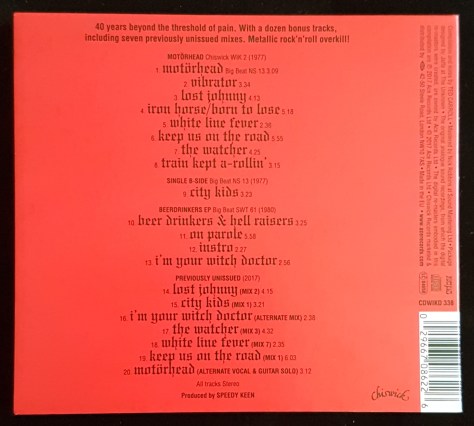
My copy – 40th Anniversary Edition CD…
…loads of bonus tracks and great liner notes

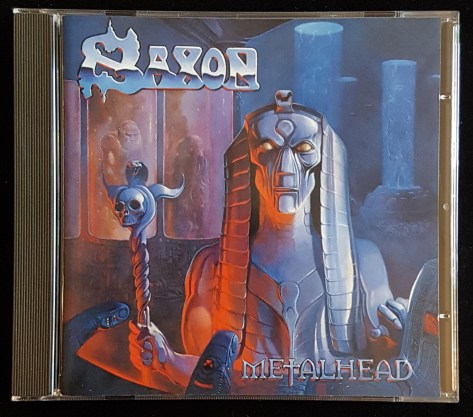
Saxon – Metalhead (Album Review)

Saxon – Metalhead (1999)

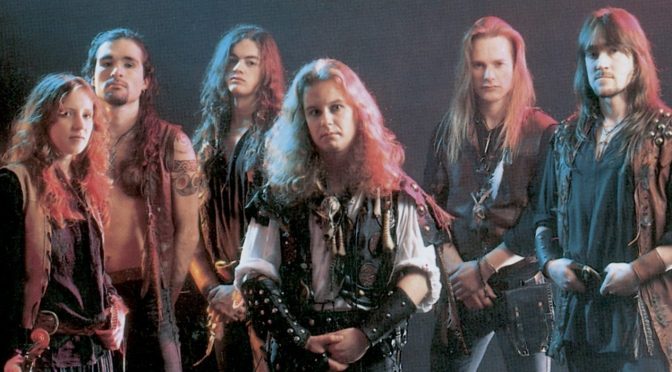
Saxon concluded their 90s catalogue in robust fashion with the aptly-titled Metalhead. It continued the dark, heavy vein of 1997’s Unleash The Beast but with a vigour and confidence bolstered by a traditional metal renaissance in Europe.

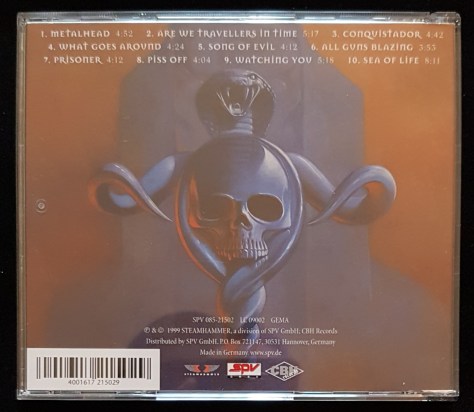
The crushing metal chugs and ominous tones of tracks like Metalhead and Are We Travellers In Time have a contemporary edge but also a technicality to the riffage that bulldozers away the boozier, sprightlier charm of the band’s early days. But Saxon’s spirit and songcraft remains. Even at its heaviest, the album sports durable melodies and there’s a welcome lighter touch and variety on songs like the bouncy Prisoner, grooving What Goes Around and the proggy Sea Of Life. It’s not all gleaming and modern: the Saxon traditions of headbanging and tales of olde are upheld in the thrilling All Guns Blazing and the rousing Conquistador.

Some inevitable clunkers (Piss Off and the forgettable Watching You) and a sense of solid proficiency prevent it ranking alongside inspired classics like Power & The Glory. But with Metalhead Saxon made their strongest, timeliest statement of the decade. I’ll bang my head to that.

*Worth pointing out that Nigel Glockler had left (again) due to injury, replaced by Fritz Randow. But you won’t notice the difference.

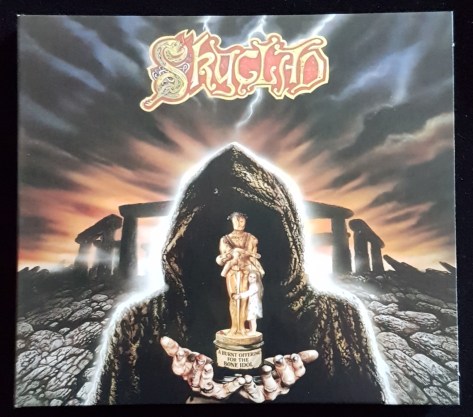
Skyclad – A Burnt Offering For The Bone Idol (Album Review)

Skyclad – A Burnt Offering For The Bone Idol (1992)

A Burnt Offering For The Bone Idol is a grand medieval banquet full of succulent folk, juicy classic metal and meaty thrash. Skyclad’s 1992 album was a truly original and pioneering work that built on their debut album’s idiosyncratic promise. The addition of a full-time violinist Fritha Jenkins adds class and colour to a rich and varied set of pagan metal all graced by the gifted lyrics and charismatic vocals of Martin Walkyier. The lusty jig Spinning Jenny and the fist-pumping The Declaration Of Indifference are the enduring set-list faves but every track here is special. The mix of traditional metal mastery à la Maiden and Manowar coupled with the rage and darkness of the underground made this the album to beat in a year when proper epic metal seemed to be in short-supply. From the dystopian anger of Broken Promised Land to the historical tragedy of R’Vannith and the mellow moon-lit ley lines of Ring Stone Round, A Burnt Offering… is a treasure from start to finish.

Samson – Survivors (Album Review)

Samson – Survivors (1979)

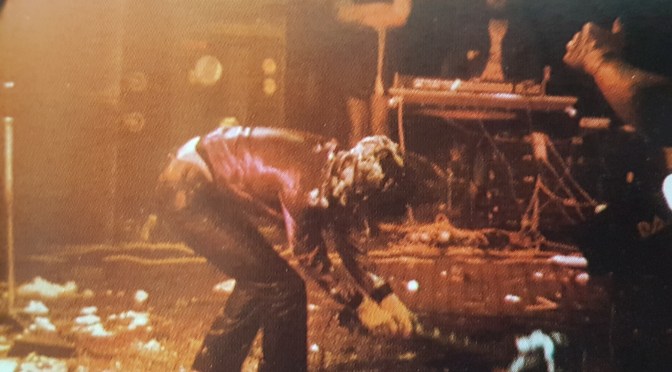
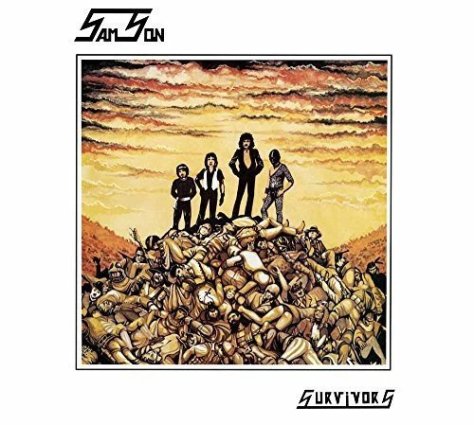
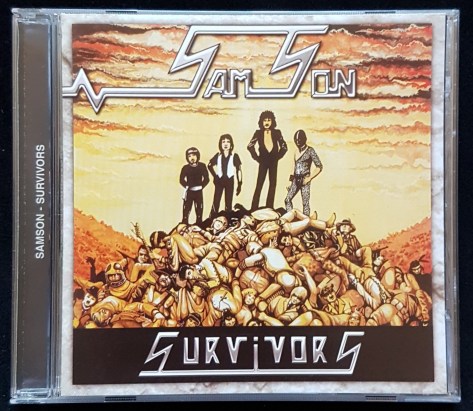
Samson’s 1979 debut was one of the first albums to come from the New Wave Of British Heavy Metal. But the hasty Londoners weren’t quite studio ready yet and Survivors was a half-decent effort at best. Bassist Chris Aylmer and vocalist Bruce Bruce are pictured on the cover but weren’t actually in the band when Survivors was recorded so guitarist Paul Samson handled vocals and Gillan’s John McCoy added some heavy help: playing bass as well as co-writing and producing. And the album is at its strongest when it picks up some of that gonzo Gillan-esque edge. It’s Not As Easy As It Seems, Big Brother, Koz and Six Foot Under are all boisterous highlights. But the rest of the album is dated and forgettable and Samson and McCoy both fall short in their vocal and production roles. Still, for all its faults, it has an ordinary Joe charm that captures the spirit of the emerging movement. Later, with Aylmer and Bruce onboard, Samson would power up and hit the NWOBHM head on. With biceps of steel.

(Buyer note: Most reissues add alternative versions with improved sound and Bruce Bruce on vocals. Essential!)

My copy – 2001 reissue on Sanctuary Records

Glenn Hughes – From Now On… (Album Review)

Glenn Hughes – From Now On… (2015 Reissue)

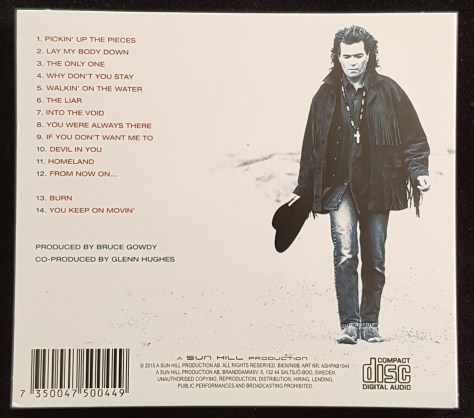
Backed by a band of skilful Swedes (including Mic Michaeli and John Leven of Europe fame) the rehab-ed and rejuvenated “Voice Of Rock” delivered an engaging set of hard and groovy AOR with 1994’s From Now On… The album wasted no time getting Purple fans onboard with the rousing, Hammond-led opener Pickin’ Up The Pieces and the superb blues metal of Lay Your Body Down. But it also pointed the way forward with the moody funk of Walking On The Water, soulful rocker The Liar and the trippy Into The Void. It gets too middle-of-the-road for comfort at points and there’s some dated bloat in the album’s later stages but the closing title-track and a couple of ace Purple covers are worth holding out for. Stronger and more confident from here on in, Glenn would get more adventurous and exciting with subsequent releases. But this album was a strong building block for his comeback and also a great place for new fans to discover his talents.

Paradise Lost – Lost Paradise (Album Review)

Paradise Lost – Lost Paradise (1990)

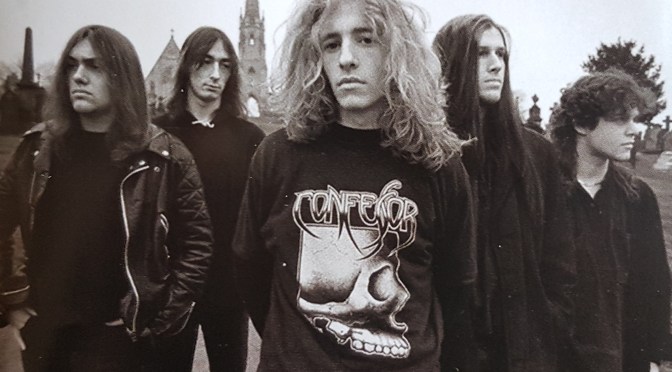
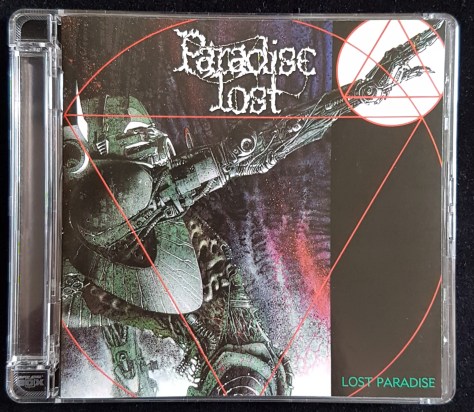
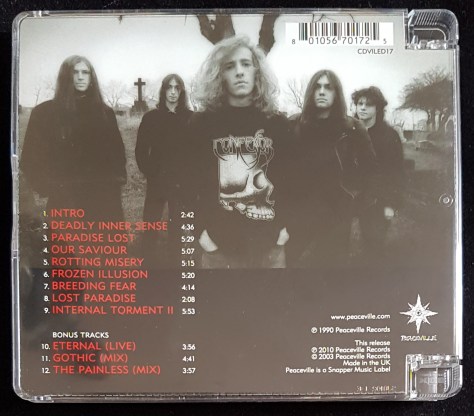
The punishingly bleak death metal on Paradise Lost’s 1990 debut Lost Paradise makes it the odd-one-out in a discography more renowned for gothic melody. But the five teenagers had only been together about a year before being faced with the challenge of recording their first record and, despite not having found their voice yet, they make a pretty decent fist of it. A lack of songcraft means it all kind of mushes together but they already have their doleful mix of riff and lead guitar down, there’s the occasional decent hook (“where is your God now?”), and the whole thing has a entrancingly subterranean atmosphere. And Lost Paradise has proven pretty influential in its own right as one of the earliest albums to slow death metal down to a miserable crawl. The Yorkshiremen would do much better with subsequent releases but fans of meat and potatoes death/doom could do a lot worse than check this out.

Judas Priest – Sad Wings Of Destiny (Album Review)

Judas Priest – Sad Wings Of Destiny (1976)

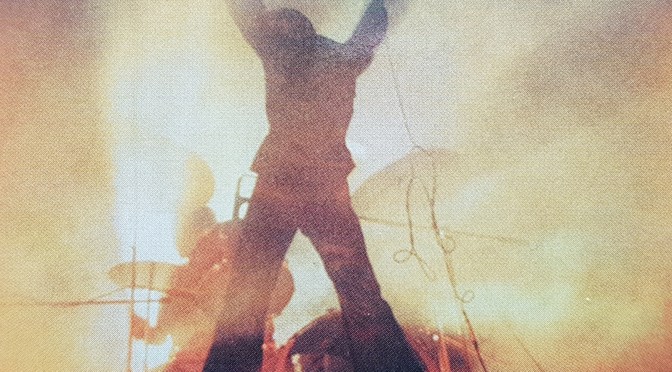
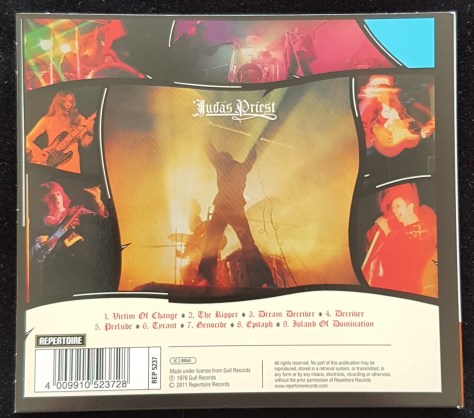
The modern idea of “heavy metal” starts here. Judas Priest’s seminal sophomore album Sad Wings Of Destiny laid down the template for countless others to follow with its evil, slashing riffs, demonic guitar duels and the screaming, theatrical vocals of the one-and-only Rob Halford. This 1976 album contains four peerless classics in the humungous Victim Of Changes, the thrashing Genocide, Tyrant and the malevolent The Ripper. And, while less innovative, the deep cuts like the orchestral Prelude, psychedelic Dreamer Deceiver and the funereal Epitaph give the album a mournful, gothic construction that makes this the Priest to hear if you’re a crucifix-necklaced, flare-wearing, doom metal type. Supposedly the album’s A and B sides were accidentally reversed on initial release so we’ve all been listening to it in the wrong order. But it doesn’t matter. Listen to this any way you like: forwards, backwards, up, down, shuffle. Either way it’s a masterpiece. Actually… maybe avoid listening to it backwards. Just in case.

[Judas Priest – Genocide]

Rainbow – Down To Earth (Album Review)

Rainbow – Down To Earth (1979)

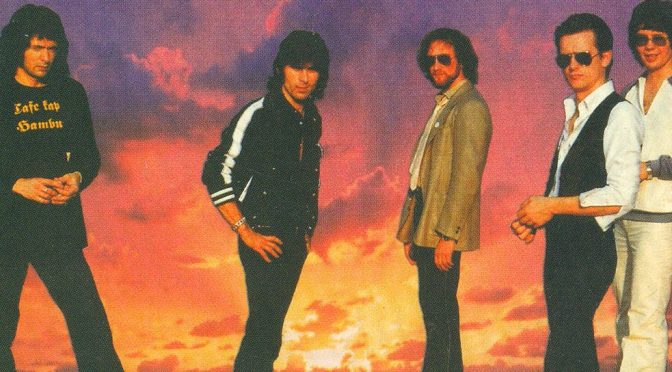
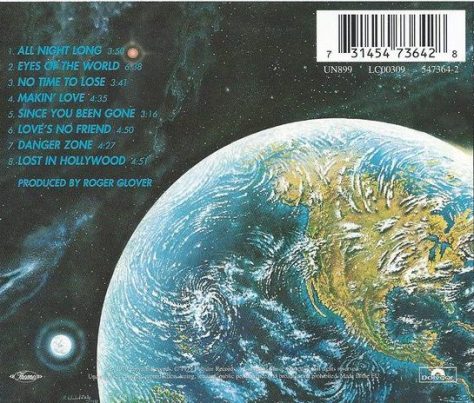
If you’re a fan of Ritchie Blackmore you get used to band members coming and going. But for fans of Rainbow, the departure of Ronnie James Dio in 1978 was a tough pill to swallow. The mighty castle metal of the Dio years was replaced with the AOR hit Since You’ve Been Gone and the proto-Miami Vice vision of new vocalist Graham Bonnet.

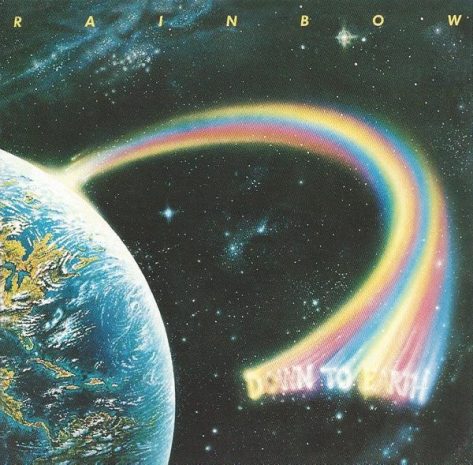
But don’t pull your drawbridge up just yet. 1979’s Down To Earth is one of Rainbow’s best albums. Since You’ve Been Gone might be too slick for some, but it’s a classic rock track: deceptively sophisticated and impeccably delivered with a Blackmore guitar solo made out of sheer joy. And if the new frontman was more James Dean than James Dio, his powerful and versatile lungs allow the band to get raunchier and bluesier, bringing to mind revered Deep Purple albums like Machine Head and Burn. The driving All Night Long has brilliant Smoke On The Water style riffs and Love’s No Friend is a superbly moody sequel to Mistreated. Better still, the grandiose proto-power metal of the previous Rainbow remains in the thumping Eyes Of The World and the medieval tinges of Makin’ Love. The closest the album comes to filler is the generic No Time To Lose but even that adds some welcome up-tempo energy, as does the lively closing track Lost In Hollywood.

Inevitably, the coming and going continued with the departure of both Bonnet and drummer Cozy Powell. Which means Down To Earth becomes a transitional album in the Rainbow catalogue: steering the band from Ye Olde Rainbow to the slicker Joe Lynn Turner era. But with shades of both styles and a timeless hue of Deep Purple too, it’s a stone-cold classic in its own right. Could I be wrong? No.

Solstice – White Horse Hill (Album Review)

Solstice – White Horse Hill (2018)

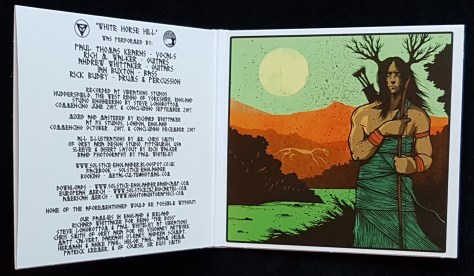
Unless your veins run with the blood of a coward you would do well to check out White Horse Hill, the 2018 comeback album from the UK’s Solstice. And fans of early Manowar and Candlemass should consider it essential. It’s confident, bracing stuff with riffs that power like mighty oars, harmonies that sound like they’re heading out on a quest and declamatory vocals that get the pecs swelling with pride. The folky strum of For All Days & For None is a mid-album lull and a penchant for rustic interludes hampers the pacing a touch but To Sol A Thane, Under The Waves Lie Our Dead and the title-track are glorious, bearing the weight of the album like mighty pillars.


Extra points for a beautiful digipak!